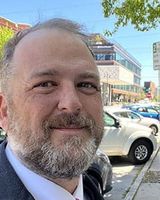

Data centers are invading Oklahoma's small towns, and local governments are going to great lengths to keep the public in the dark. In Rogers County, a citizen journalist walked into a commissioners meeting and challenged an executive session agenda item so vague it could have meant anything from a bathroom remodel to a billion-dollar industrial facility. What happened next exposed the lengths officials will go to avoid transparency.
The agenda simply read "economic development." No project name. No location. No indication of scale. Just two words designed to tell the public nothing while technically checking a legal box.
The Confrontation That Stopped the Meeting
Before the commissioners could retreat into executive session, the reporter stood up and objected on the record. "This is not sufficient notice pursuant to the Open Meetings Act. We have no idea what you're going back there to discuss." He announced plans to file a criminal complaint with the district attorney for violating Oklahoma's transparency laws.
The reaction from officials was immediate, but not what anyone expected. Rogers County Sheriff's deputies were called over, not to remove the journalist, but to navigate an unprecedented legal question: how do you facilitate a citizen's arrest of elected officials in the middle of their own meeting?
When Law Enforcement Didn't Know What to Do
What unfolded was a surreal negotiation between the reporter, his colleagues, and multiple sheriff's deputies trying to figure out how Oklahoma's citizen's arrest statute actually works when the crime is a misdemeanor committed by county commissioners in a public building that also houses the magistrate's office.
"Why can't we do it here? The crime's happening here. The magistrate's upstairs in this building," the journalist pressed. Deputy Smith called for backup. Then higher-ranking officials were summoned. The question kept escalating: if citizens have the statutory right to arrest someone for a misdemeanor committed in their presence, and the commissioners just violated the Open Meetings Act, what happens next?
The footage captures the moment law enforcement realized they were in uncharted territory. No one wanted to physically detain elected officials, but the statute seemed clear. The tension in the room became unbearable.
The Assistant DA Who Told Citizens to Hire a Lawyer
When the assistant district attorney finally emerged from the executive session, the real fireworks began. The journalist asked a simple question: do you think that agenda item gave the public reasonable notice of what you were discussing behind closed doors?
The DA's response was to repeatedly tell the citizen to go hire an attorney. Not to address the substance. Not to defend the language. Just to deflect, over and over, until the exchange became almost comedic in its evasiveness. But what the DA accidentally admitted during the confrontation, and whether he realized he was being recorded saying it, is something you'll have to see to believe.
The journalist didn't back down. He offered the DA a deal on camera, one that would have required the official to resign if a court ruled the agenda item violated the law. The DA's refusal to take that bet said everything.
The Candidate Who Ran Away
A candidate for county commissioner was sitting in the meeting, observing. The journalist approached him with a straightforward question: if you get elected to represent this district, will you support agenda items that hide what's being discussed from the public, or will you demand transparency?
The candidate's response, captured in full on video, became the most shared moment of the day. What he did, what he said, and where he went when the questions got harder will make your blood boil.
What They're Hiding and Why It Matters
This isn't just about one meeting in Rogers County. Across Oklahoma, data center developers are quietly securing land, tax incentives, and infrastructure commitments through executive sessions shielded by language exactly like this. By the time the public finds out, the deals are done, the nondisclosure agreements are signed, and elected officials claim their hands are tied.
The reporter in this video has already filed criminal complaints. Legal challenges are underway. But the most important evidence is in the footage: officials who couldn't answer basic questions, a prosecutor who told citizens to stop asking, and a system designed to operate in the dark.
The final moments of this video will show you exactly how far officials will go to avoid a simple answer.
Watch the full confrontation to see what the assistant DA accidentally admitted, why the candidate fled, and whether the citizen's arrest actually happened.
Disclaimer: This article is for informational and journalistic purposes only and does not constitute legal advice. References to the Oklahoma Open Meetings Act, citizen's arrest statutes, and other legal frameworks are provided for public transparency and reader reference. They should not be relied upon as a substitute for consultation with a qualified attorney. Guerrilla News is an independent journalism outlet and is not affiliated with any party, government agency, or legal proceeding discussed in this report.
Everyone can join the discussion with a free account. Members get a badge, their comments stand out, and they are eligible for the pinned Top Comment. Join from $7 a month.