
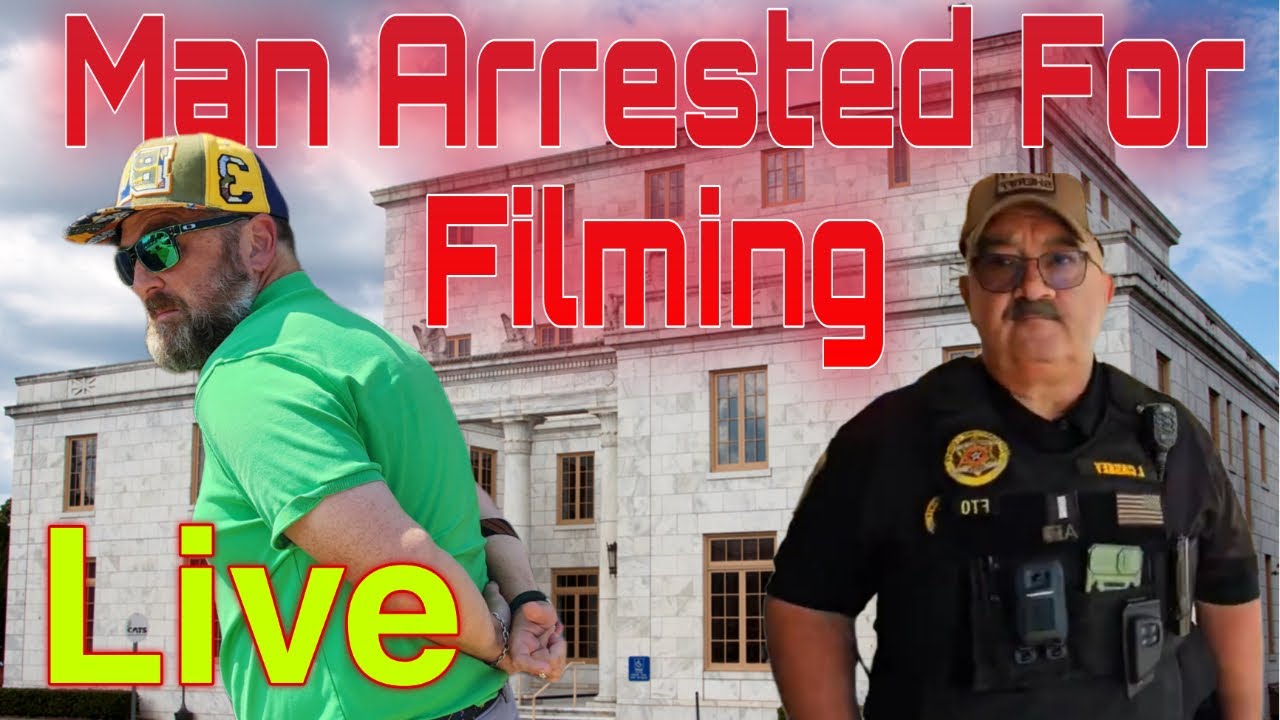
Cherokee County Sheriff's deputies made it clear: bring a camera into their courthouse, and you'll leave in handcuffs. The threat came as journalists investigated why another person was arrested just days earlier for the same activity at this Oklahoma courthouse.
The confrontation escalated quickly when reporters entered the public lobby with recording equipment. An unidentified deputy immediately intervened, refusing to provide his name while issuing directives about county property access.
The Resolution That Changes Everything
What makes Cherokee County different isn't just their hostility to cameras. It's the sweeping resolution signed by County Commissioners Bobby Whitewater, Chris Jenkins, and Cliff Hall that purportedly bans filming on any county property.
The document goes far beyond typical courthouse restrictions. While most facilities limit recording in courtrooms or secure areas, Cherokee County's resolution attempts to prohibit cameras throughout their public buildings. The only exception? Public meetings conducted with proper notice.
The legal problem with this approach becomes apparent when examining who actually controls county property versus who operates within it.
When Deputies Refuse to Give Their Names
The initial encounter revealed a troubling pattern of accountability avoidance. The first deputy, later identified as Kevin McFarland, refused multiple requests for identification while making legal threats. Only after persistent questioning did officials acknowledge their identities.
This behavior raised immediate red flags about transparency. When law enforcement officers issue directives that could result in arrest, basic constitutional principles require they identify themselves to the public they serve.
The interaction demonstrated either inadequate training on First Amendment rights or deliberate disregard for established legal precedent in the 10th Circuit.
The Undersheriff's Escalating Threats
Undersheriff James Brown eventually took control of the situation, but his explanation revealed the constitutional quicksand Cherokee County has created for itself. His position was stark: no recording anywhere on county property, period.
When pressed about the enforcement mechanism, Brown outlined a process that legal experts would recognize as problematic. First, deputies would ask journalists to stop recording. Then they would demand the person leave. Finally, they would "escort" them out under threat of arrest for resisting.
The flaw in this logic becomes apparent under constitutional scrutiny. If the underlying restriction is unconstitutional, then any enforcement action based on that restriction becomes a civil rights violation.
The Federal Lawsuit That's Coming
The journalists made their intentions clear before leaving Cherokee County property. This incident represents the fourth county in Oklahoma where similar constitutional violations have occurred, setting up what appears to be a coordinated federal challenge.
Previous encounters in Pittsburg County, Pontotoc County, and LaFlore County have established a pattern of Oklahoma courthouse officials misunderstanding their authority regarding public access and recording rights. Cherokee County's broad resolution may represent the most overreaching attempt yet.
What makes this case particularly strong for litigation is the explicit threat of arrest combined with the deputies' own acknowledgment that they would physically remove journalists for constitutionally protected activity.
What Happens When the Cameras Stop Rolling
The most revealing moment came at the end, when officials essentially admitted their position wouldn't survive legal scrutiny. The undersheriff's final comments suggested awareness that this would "be a court deal" while maintaining they would continue enforcement until ordered otherwise.
This admission creates what legal experts call conscious disregard for constitutional rights, which can pierce the qualified immunity that typically protects law enforcement officers from personal liability.
But the broader question remains unanswered: what was Cherokee County trying so hard to keep hidden that they risked federal litigation over public transparency?
Watch the complete confrontation unfold and see exactly how Cherokee County officials responded when their constitutional knowledge was tested in real time.
Everyone can join the discussion with a free account. Members get a badge, their comments stand out, and they are eligible for the pinned Top Comment. Join from $7 a month.