Table of Contents
Think exposing corrupt officials is a get-rich-quick scheme? Think again. One accountability journalist just pulled back the curtain on the brutal economics of investigative reporting, and the numbers will shock you.
The $2,000 Reality Check
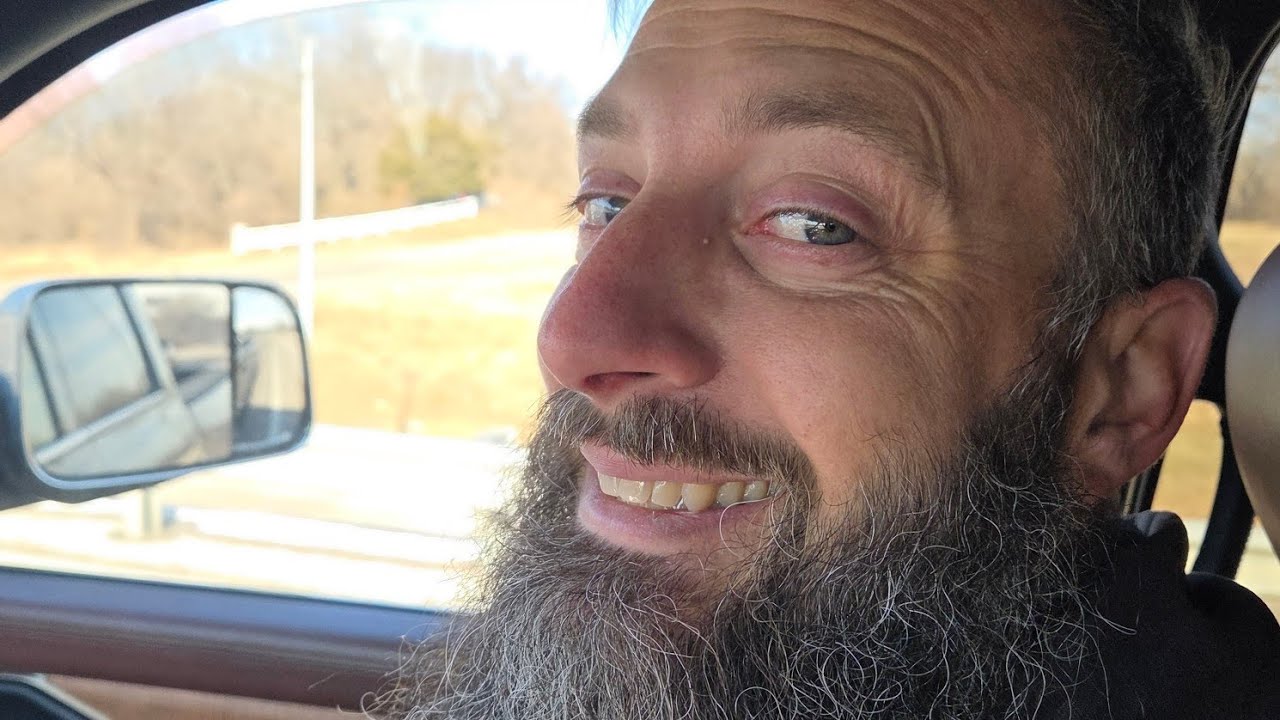
During a rare behind-the-scenes livestream, the journalist behind Guerrilla News revealed the harsh financial truth about viral accountability content. Their documentary "Most Corrupt Cop in America" garnered nearly 300,000 views and took weeks of investigation, filming, and editing. The payout from YouTube? A mere $2,000.
"If you think I'm doing this to get rich and make money, I'm doing this because my son wants to do this and I love exposing this stuff," he explained while showing live analytics on screen. The revenue breakdown was stark: just $6.88 per thousand views, while advertisers paid YouTube $11.75 for the same views.
Equipment Costs That Would Make You Weep
The financial reality gets worse when you see what professional accountability journalism actually requires. The reporter walked viewers through thousands of dollars in specialized equipment, most purchased used on Facebook Marketplace out of necessity.
A DJI Osmo Pocket 3 with creator series attachments for field work. Multiple Sony FX3 cinema cameras with expensive Tamron lenses. Professional audio equipment including Zoom recorders and shotgun microphones. External monitors and recording devices. The list goes on, with individual items costing hundreds or thousands each.
"This stuff is what we're rocking and rolling with, and where I spend my time, energy, and effort," he said, hefting a camera rig that clearly strained his tennis elbow.
The Theft That Reveals the Stakes
In a moment of raw frustration, the journalist called out someone by name who allegedly borrowed and refused to return expensive camera equipment. "Anthony Smith in Oklahoma, you're a thief. Please return the Canon C100 and lenses you borrowed from my son's company."
The incident highlights how precarious independent journalism operations really are. When a single cinema camera represents a significant portion of your budget, losing equipment to theft can cripple your ability to investigate and report.
Small Towns vs. The Machine
Perhaps most telling was his strategic thinking about where to focus investigative efforts. Major cities like Tulsa or Oklahoma City have too many resources and entrenched bureaucratic machines. But small towns? That's where real change might be possible.
"I can't go beat New York. I can't beat Tulsa. They got too many resources. But we can fix these small towns," he explained. "At the end of the day, that's where America lives."
The Warner Warning
The livestream ended with a direct message to Warner officials, referencing morning events that clearly didn't go well for local bureaucrats. Wearing a hat that deliberately evoked the infamous Enron scandal, he issued a pointed warning about transparency and accountability.
But what exactly happened during that Warner investigation? What records are they fighting to obtain? And why did he compare the town to one of America's most notorious corporate collapses?
The full livestream reveals details about upcoming court battles, equipment recommendations for citizen journalists, and hints about major collaboration with other accountability channels that could change everything.