Table of Contents
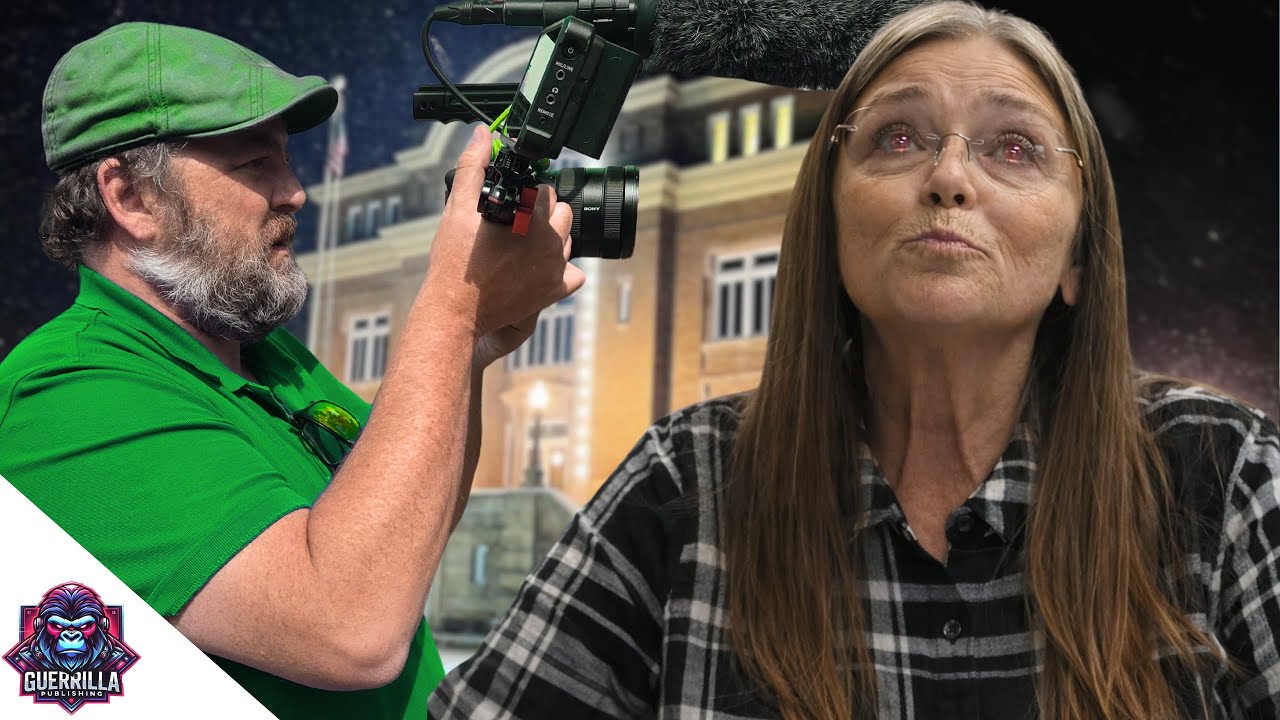
A routine public records request at Washington County Courthouse turned into a constitutional confrontation when court clerk Jean Davis demanded a journalist delete his video and refused to provide legally accessible court files. The entire exchange, captured on camera, reveals a troubling pattern of hostility toward transparency in a building dedicated to upholding the law.
What began as a simple request to review court documents quickly escalated when Davis noticed the camera rolling. Her immediate response was not to assist with the records request, but to challenge the reporter's right to document the interaction in the publicly accessible courthouse.
The Recording Controversy That Started It All
Davis immediately confronted the journalist about filming, incorrectly claiming that recording was prohibited in the courthouse. When informed that no county commissioner order banned recording in Washington County Court, she doubled down on her opposition rather than acknowledging the constitutional protection of documenting public officials.
The clerk's focus remained fixed on the camera rather than the legitimate records request. This reaction set the tone for everything that followed, transforming a standard administrative interaction into a heated confrontation about fundamental rights.
Public Records Become a Power Struggle
When the conversation shifted to the actual court file request, Davis initially claimed the records were restricted because they involved a youthful offender. However, when the journalist explained that publicly filed documents without specific sealing orders remain accessible to any member of the public, Davis escalated her resistance.
Rather than providing the requested documentation or citing specific legal authority for her denial, Davis made a phone call to District Attorney Will Drake. She returned claiming the DA had confirmed the files were restricted, but could not produce any judge's order sealing the records.
The Confrontation Reaches a Breaking Point
The exchange grew increasingly heated as Davis continued to refuse the records request without providing proper legal justification. The journalist, frustrated by the stonewalling, announced his intention to file criminal charges and pursue civil action for the apparent Open Records Act violation.
"You're acting like a crazy person," Davis told the journalist, who responded by pointing out that he had simply asked for court records while documenting the interaction. The clerk's defensive posture only intensified as other courthouse employees gathered to observe the confrontation.
Open Records Request Forms and More Obstacles
When the journalist requested an Open Records Act form, courthouse staff initially directed him to the third floor. Davis then claimed they didn't have forms available, suggesting he could find one online through the attorney general's office.
After consulting with the Administrative Office of Courts, Davis was instructed that a written request on plain paper would suffice. However, the damage to the professional relationship had already been done, and the journalist indicated he would take his request directly to the district attorney's office instead.
An Unexpected Resolution Upstairs
The video reveals that the journalist ultimately met with District Attorney William Drake, who reportedly provided access to the needed files and cleared up the records issue. This resolution raises questions about why the initial request at the clerk's office encountered such resistance when the DA's office was able to accommodate the same request.
The stark contrast between the clerk's hostile response and the DA's cooperative approach suggests the problem may have been more about attitude than actual legal restrictions. But what exactly did the DA tell the journalist during their private meeting, and what files were ultimately provided?
The full video reveals the complete confrontation and its surprising conclusion that courthouse staff definitely don't want you to see.