Table of Contents
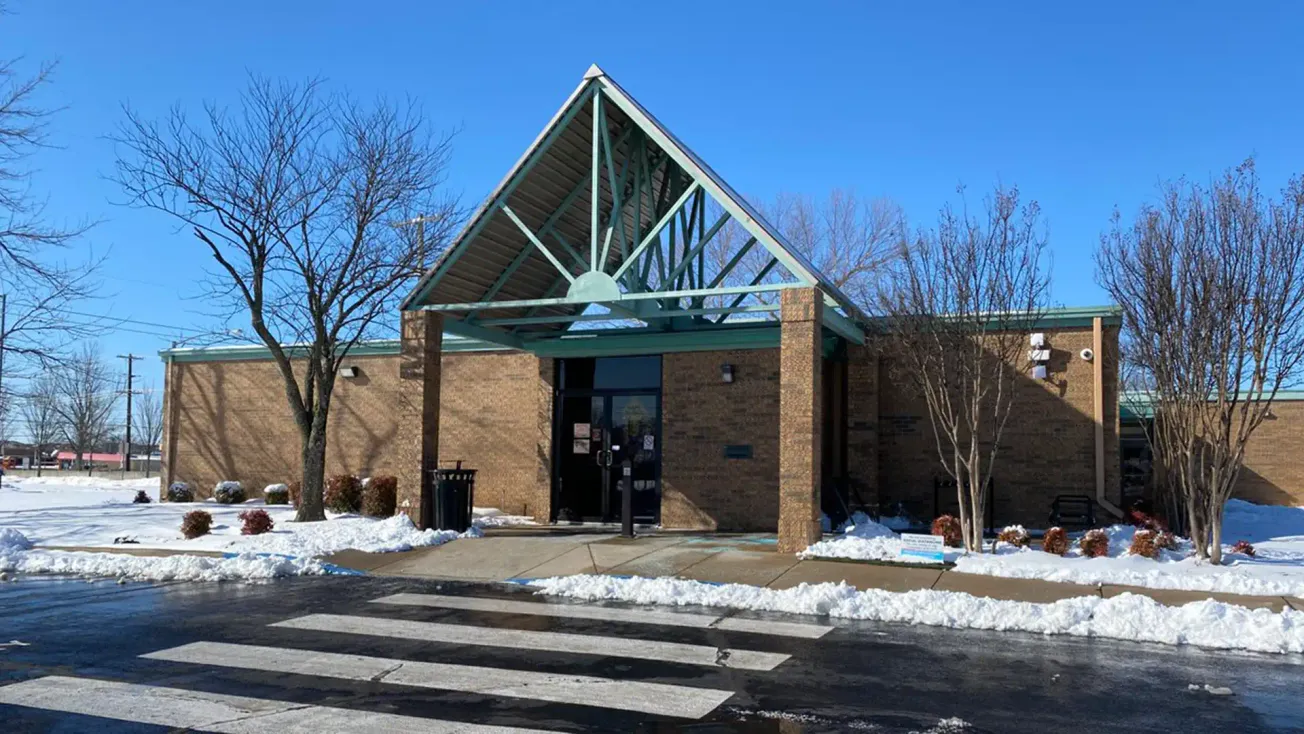
A routine records request at Wagner County Courthouse turned into a heated constitutional standoff when Judge Kirkley attempted to restrict filming in areas open to the public. The confrontation, captured on video, exposes the murky boundaries between judicial authority and First Amendment protections in government buildings.
Journalist Ron Durban had visited the courthouse multiple times without incident, but this visit took an unexpected turn when courthouse staff claimed he couldn't record in the court clerk's office due to "confidential stuff" behind glass windows.
The Judge Steps In With Unclear Authority
Judge Kirkley inserted himself into the situation, creating immediate tension about who has power over what areas of the courthouse. When Durban pressed for clarity about the recording restrictions, Kirkley struggled to articulate the legal basis for his demands.
"You're telling me I can't record in the court clerk's office towards a certain direction," Durban challenged. "I'm telling you that that's ambiguous."
The exchange revealed a fundamental confusion about courthouse authority. Kirkley seemed to claim ownership over areas that serve the public, including spaces with chairs specifically placed for public use.
A Constitutional Chess Match Unfolds
Durban systematically dismantled the judge's position using established legal precedent. He cited the Plain View doctrine, explaining that if someone with a photographic memory could legally observe the same information, recording shouldn't be treated differently.
"The duty is on the person with the records to make them protected," Durban argued, referencing Tenth Circuit precedent. "If somebody could see it and I had a photographic memory, I could go up there and look at the documents and see all the same thing."
Kirkley found himself unable to provide direct orders, instead asking rather than commanding. This hesitation suggested awareness that his authority might not extend as far as his initial demands implied.
The Standoff Reaches a Boiling Point
As tensions escalated, Kirkley's frustration became apparent. When Durban complied with a request to turn off his camera but resumed recording after feeling the conversation had shifted, Kirkley accused him of manipulation.
"When I said something you didn't like you turned it back on," Kirkley complained, revealing his discomfort with being held accountable on camera.
The judge repeatedly asked law enforcement to handle the situation but stopped short of issuing direct orders for removal, leaving officers in an awkward position between their boss and constitutional law.
What the Video Doesn't Show
The transcript cuts off just as the confrontation reaches its peak, leaving critical questions unanswered. Did Kirkley ultimately back down from his demands? How did courthouse staff resolve the jurisdictional confusion? And what precedent does this set for future transparency efforts in Wagner County?
Watch the full confrontation to see how this constitutional standoff concludes and what it reveals about power dynamics in local government.