Table of Contents
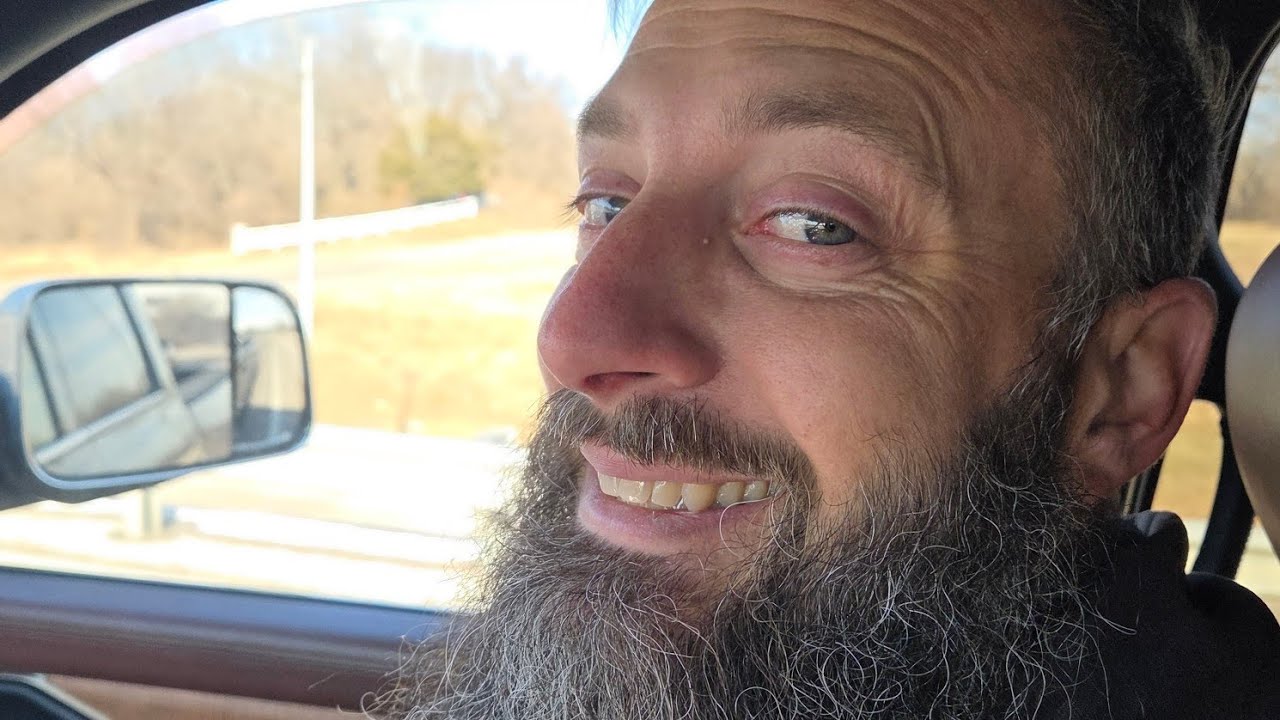
A routine public records request at the Tulsa County Sheriff's office turned into an unlawful arrest when Deputy Nelson targeted a journalist who hadn't spoken a single word. Lee stood silently while his colleague requested documents related to a public defender's social media posts about Charlie Kirk's death. Within moments, he was in handcuffs.
The Grab That Started Everything
The confrontation began without warning. Lee held a camera, documenting the records request as journalists often do in government buildings. Deputy Nelson's first move wasn't to ask questions or issue commands. He simply reached out and grabbed Lee, immediately ordering him to put his hands behind his back.
The aggressive action caught everyone off guard. Lee had been standing quietly, not engaging with staff or officers. No verbal altercation preceded the physical contact. No commands were ignored. The deputy's hands were on Lee before anyone understood what was happening.
A False Accusation on Camera
When pressed to justify the sudden arrest, Deputy Nelson made a startling claim. "I asked him to put it down. He swung at me," the officer stated. The problem with this explanation becomes immediately apparent to anyone watching the interaction unfold.
Multiple witnesses contradicted the deputy's version of events. "No, he did not, sir," came the immediate response from Lee's colleague. "My son does not swing at anybody." The accusation of assault appeared to be fabricated in real time, creating a justification for an arrest that had already occurred.
Legal Rights vs. Officer Discretion
The exchange reveals a fundamental misunderstanding of First Amendment protections. Lee's colleague repeatedly emphasized that cameras are legal in government buildings, particularly during public records requests. "It's legal to have a camera in this building," he reminded Deputy Nelson.
The officer's demand that recording stop contradicts established law regarding documentation of government activities. Public buildings, especially during official business like records requests, fall under protected speech and press freedoms. Yet Deputy Nelson's actions suggested he believed his authority superseded constitutional protections.
When Accountability Meets Resistance
As the situation escalated, Lee's colleague made repeated attempts to de-escalate. "I think you're making a mistake, sir. I just wish you would get your supervisor. You're making a big mistake here, sir." The pleas fell on deaf ears as Deputy Nelson proceeded with the arrest.
The irony wasn't lost on observers. Journalists seeking records related to government accountability found themselves becoming the story. The very transparency they sought was being suppressed through physical force and false accusations.
Questions That Demand Answers
The footage raises uncomfortable questions about law enforcement's relationship with press freedom. How does a silent person with a camera become a threat requiring immediate arrest? Why would an officer claim assault when video evidence suggests otherwise? What happens when those sworn to uphold the law appear to break it instead?
The answers may determine whether Deputy Nelson's badge represents justice or becomes evidence of its absence.
Watch the complete confrontation unfold and decide for yourself what justice looks like when cameras meet badges.