Table of Contents
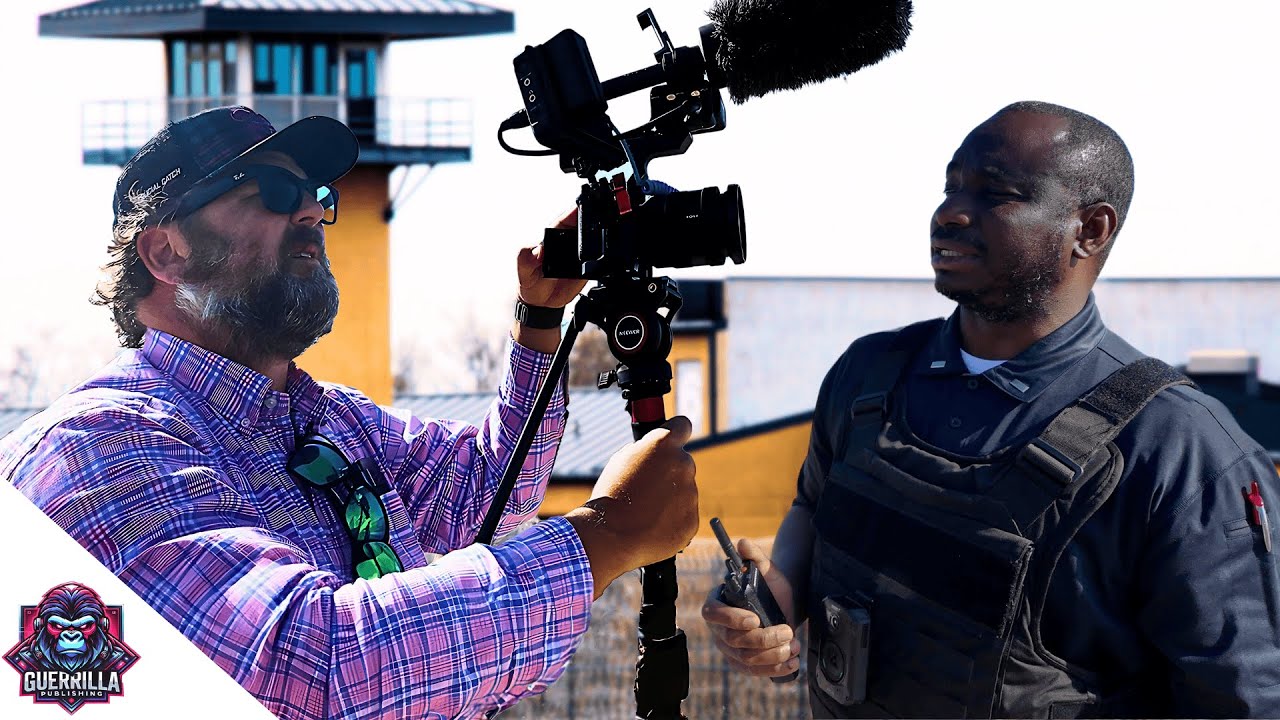
What began as a simple story about Oklahoma prison spending quickly escalated when correctional staff mistook public property for private grounds. Journalists from Guerrilla Publishing were gathering footage outside Davis Correctional Facility in Holdenville when a prison guard decided their cameras posed a threat worth calling law enforcement.
The reporters were investigating whether Oklahoma's proposed $10 million investment in prison rodeos might be better spent on job training programs for inmates. They needed establishing shots of the facility to introduce their story. What they got instead was a masterclass in how officials react when cameras start rolling.
The Guard Who Couldn't Spell His Name
Lieutenant Aano approached the journalists first, demanding identification while refusing to properly spell his own name. When asked for ID in return, the lieutenant deflected. "Can you identify yourself?" became his repeated refrain, even as he avoided answering the same question posed to him.
The interaction revealed an immediate double standard. Officials expected transparency from journalists while providing none themselves. This pattern would repeat throughout the encounter, with multiple staff members emerging from the facility to confront two reporters with cameras.
When Authority Meets Reality
The situation intensified when a female correctional officer insisted the public parking lot was actually private property. "This is private parking," she declared, despite standing on government-owned land accessible to any member of the public.
Her misunderstanding of basic property law became the foundation for calling law enforcement. The guard contacted what appeared to be local police, requesting officers respond to "two guys" whose activities she couldn't quite explain but found troubling enough to warrant intervention.
The Chief Who Actually Understood the Law
Then something unexpected happened. Chief Donald Thurman arrived and immediately defused the tension with a simple acknowledgment of reality. "You know what you're doing. You know where the public accessible areas are," he told the journalists before walking away.
The contrast was striking. While correctional staff had created a crisis over legal activity, the police chief recognized constitutional rights and left the journalists to finish their work. His brief interaction lasted less than two minutes and required no confrontation, no demands for identification, and no threats.
Two Wardens, Two Different Approaches
The encounter took another turn when two prison wardens emerged to personally address the situation. Warden Miller initially approached with the standard demand that filming required prior authorization, insisting that "anytime you're going to be on prison property videotaping that has to be authorized ahead of time."
The journalists calmly explained the legal reality while Warden Ron Durban observed the exchange. The conversation revealed how even high-ranking officials can misunderstand the scope of their authority when it extends beyond prison walls into public spaces.
The Question That Hangs in the Air
What makes this encounter particularly revealing is how it started over nothing and nearly escalated into something significant. Multiple officials responded to legal journalism as if it were a security threat, while the one person with actual arrest authority saw no problem at all.
The body camera footage from Chief Thurman's interaction remains the key evidence of how this situation unfolded. Whether other agencies were called, what discussions happened off-camera, and how the final moments played out can only be seen in the complete video record of this encounter.
Watch the full confrontation unfold and see how public officials react when citizens exercise their constitutional rights in broad daylight.