Table of Contents
A routine visit to Oklahoma State Penitentiary to request public records turned into a confrontation over filming rights when prison staff attempted to restrict a journalist from documenting on publicly accessible property. The incident reveals confusion among officials about what areas the public can access and highlights the ongoing tension between transparency and institutional control.
The Confusion Begins at the Front Gate
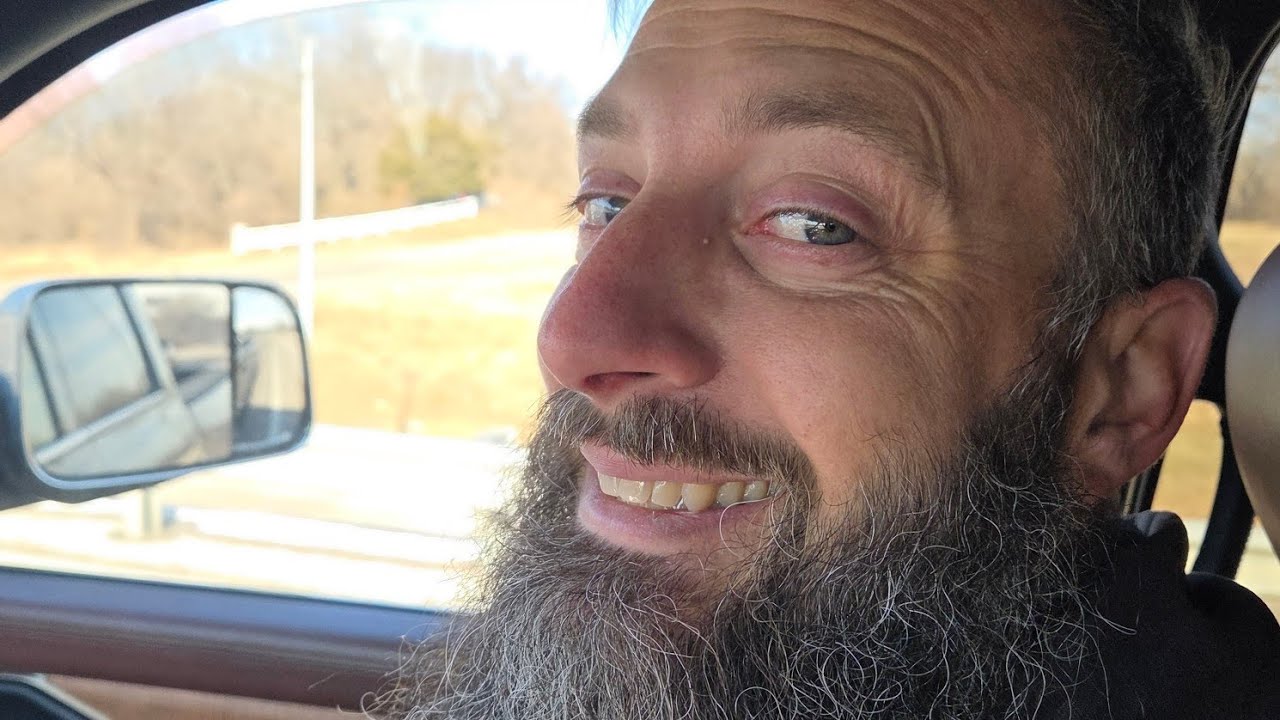
Journalist Ron Durbin arrived at the Oklahoma State Penitentiary seeking to file public records requests and inquire about witnessing an upcoming execution scheduled for June 12th. After being directed by one staff member to go "through shakedown" to reach the administrative office, Durbin found himself face-to-face with Sergeant Price, who immediately declared he "can't allow y'all in."
The problem was immediately apparent. Durbin had entered through an unmarked gate from a public street onto what appeared to be public property. No signs indicated restricted access, visitor procedures, or where the public should report.
A Sergeant's Dilemma
Sergeant Price found himself in an awkward position, acknowledging that the area lacked proper signage while insisting the public wasn't allowed. When Durbin pointed out the absence of any posted restrictions, Price conceded the point but maintained his stance.
"Well, I'm letting y'all know," Price said, unable to cite any specific authority for his restrictions. The sergeant admitted that better signage would solve the problem, agreeing that signs directing visitors to check in at administration would prevent future confusion.
The Attorney General Gets Called
The situation escalated when Price radioed for backup, specifically requesting "OP" - the attorney general's office. The response suggests that filming incidents at the facility have become frequent enough to warrant a direct line to legal counsel.
Despite the tension, both men remained respectful throughout the exchange. Price acknowledged that people rarely attempt to enter the prison grounds, making encounters like this unusual for staff unprepared to handle media requests.
When Cameras Become the Issue
The dynamic shifted dramatically when an unidentified female staff member arrived and immediately focused on the cameras. Unlike the measured discussion with Sergeant Price, she issued direct orders: "You can't film on our property. You have to be off the state property."
When asked to cite the legal statute supporting her demands, she admitted she couldn't provide one, then walked away rather than continue the conversation. This marked the moment when the encounter transformed from confusion over procedures to outright hostility toward documentation.
The Larger Pattern Emerges
Durbin revealed he had attempted to coordinate the visit through proper channels, emailing prison officials five times without response. His requests included seeking permission to witness the state's next execution and gathering information about the historic prison rodeo venue.
The lack of response to media inquiries, combined with the on-the-ground confusion about public access, paints a picture of an institution unprepared for transparency requests.
What Happened Next Remains Unresolved
As tensions mounted and more officials arrived on scene, the situation reached a critical juncture. Prison staff insisted on restricting access to areas that appeared publicly accessible, while the journalist maintained his right to document from those locations. The final outcome of this standoff, and whether authorities ultimately backed down or escalated further, can only be seen in the complete footage.
Watch the full confrontation unfold and see how this battle over public access and filming rights ultimately resolved.