Table of Contents
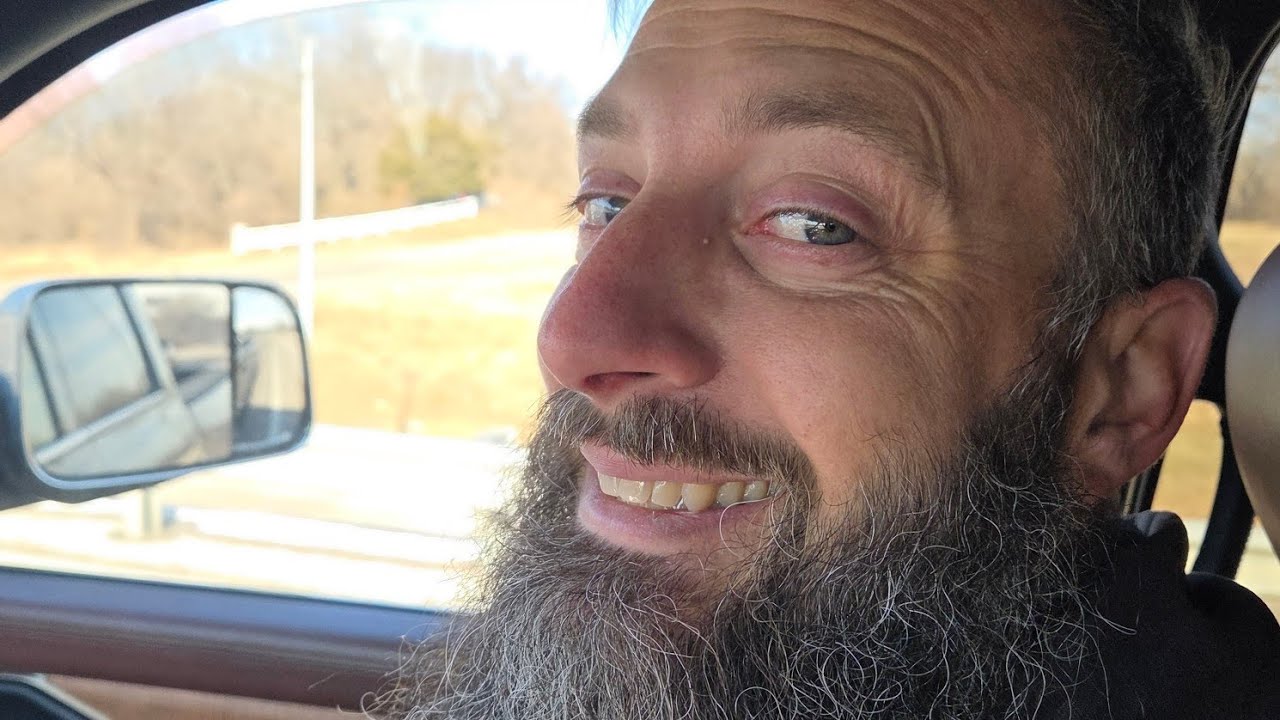
What started as a routine stop at an Oklahoma correctional facility quickly escalated when a prison guard emerged with demands that had no legal backing. Ron Durbin, investigating government transparency across Oklahoma, found himself in an unexpected confrontation that would reveal troubling attitudes about authority and public accountability. The entire incident was captured on camera, showing a stark disconnect between what officials think they can control and what the law actually allows.
The Facility That Didn't Want Witnesses
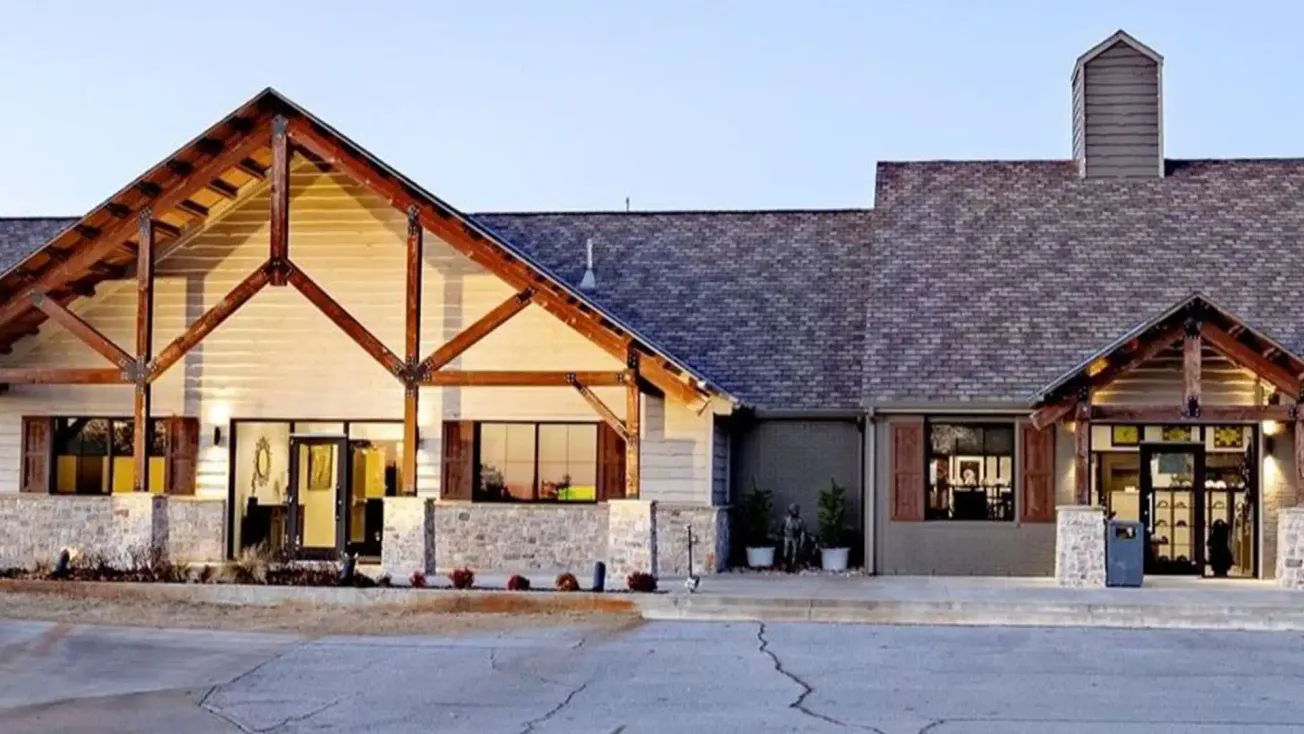
While driving through Taft, Oklahoma, Durbin spotted the Jess Dunn Minimum Security Correctional Facility and decided to document the publicly accessible areas. He parked in the public parking lot and began filming from the sidewalk, focusing on a memorial wall dedicated to a former Oklahoma State Penitentiary warden from the 1930s.
Within minutes, a female corrections officer stormed out of the facility with immediate demands. "You can't film on our property," she declared, despite Durbin standing on a public sidewalk. When asked to cite the legal statute prohibiting his activity, her response was telling: "No, I can't."
When Authority Meets the Constitution
The officer, whom Durbin nicknamed "GI Jane" for reasons that become clear in the footage, escalated her demands despite having no legal authority over public areas. "This is my property," she insisted about the public sidewalk. "Go back inside the gate," Durbin responded, highlighting the boundary of her actual jurisdiction.
The confrontation intensified when Durbin calmly explained 10th Circuit case law protecting his right to record in publicly accessible areas. Rather than acknowledge the legal precedent, the officer maintained her aggressive stance, creating a scene that would soon draw additional attention from both inmates and administrators.
Inmates Reveal the Real Story
As the confrontation continued, something unexpected happened. Inmates in the yard began calling out to the journalists, and when asked about conditions inside the facility, their response was immediate and stark: "Shitty." The brief exchange revealed more about the facility's environment than any official tour might have provided.
The timing was particularly revealing. The inmates were apparently having their yard time interrupted because of the filming incident, raising questions about how the facility responds to any form of outside scrutiny or documentation.
Administration Scrambles to Control the Narrative
Assistant Warden Christine Barham eventually arrived and attempted to defuse the situation. Unlike the initial officer, Barham acknowledged that recording was indeed permitted in publicly accessible areas. However, the damage was already done, and the contrast between the two officials' approaches highlighted inconsistent training and understanding of public rights.
The conversation revealed another concerning dynamic: the original officer appeared to be calling the shots, with Barham seemingly responding to her demands rather than taking control of the situation as the higher-ranking official.
When the Sheriff Arrives
Muscogee County Sheriff's deputies responded to the facility's call, creating a moment of tension about how law enforcement would handle the situation. The responding officers demonstrated proper understanding of First Amendment rights, immediately confirming that recording in publicly accessible areas was "perfectly fine."
The deputies' professional response stood in stark contrast to the facility staff's behavior, but it raised a disturbing question that Durbin posed directly: if correctional officers treat members of the public this way when they have no authority over them, how do they treat inmates under their complete control?
The Question That Demands an Answer
The footage captures a moment that exposes more than just a misunderstanding about filming rights. It reveals an institutional mindset about authority, control, and accountability that extends far beyond one officer's reaction to a camera. What happens in the final moments between Durbin and the responding officers provides crucial context for understanding the broader implications of this encounter.
Watch the complete footage to see how this confrontation concludes and why it raises serious questions about conditions inside Oklahoma's correctional facilities.