Table of Contents
When journalists started digging into serious misconduct allegations against a small-town Oklahoma police chief, he didn't deny the claims or launch an internal investigation. Instead, he tried to silence them with protective orders. That decision just cost him a federal lawsuit.
The Investigation That Started Everything
Bokoshe Police Chief Joey Don Oliver found himself in the spotlight after reporters began requesting government records and sharing their findings about his alleged conduct. The investigation revealed disturbing allegations involving multiple young women, documented in detailed police reports with witness statements.
The reporters had been tracking a troubling pattern across several Oklahoma police departments, including cases of officers moving between departments after misconduct allegations. Oliver's name kept surfacing in these records requests.
When Officials Fight Back Against Transparency
Rather than address the serious allegations, Oliver and an associate took an unusual step. They filed protective order cases against the journalists, attempting to strip away both their First and Second Amendment rights to continue their reporting and possess firearms.
For a brief moment, a judge issued one of the protective orders before reversing the decision. The temporary victory gave Oliver's team hope they had found a way to stop the accountability reporting.
The Swift Legal Counterpunch
Within 24 hours of the protective order attempt, the journalists had drafted and filed a federal lawsuit against both Oliver and the City of Bokoshe. The lawsuit alleges abuse of process for using protective order cases specifically to stifle First and Second Amendment rights.
The speed of the legal response caught everyone off guard. What Oliver thought would silence his critics instead escalated the situation to federal court, where the misconduct allegations are now part of the public legal record.
A Personal Delivery in Bokoshe
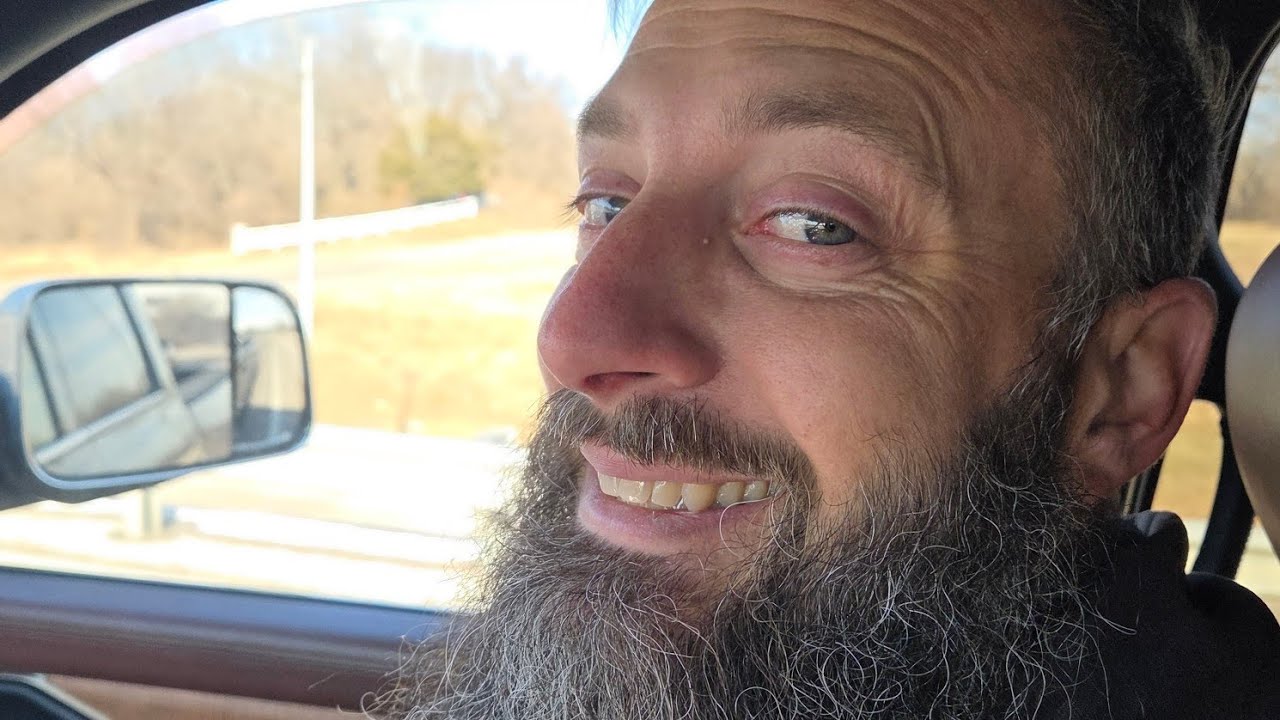
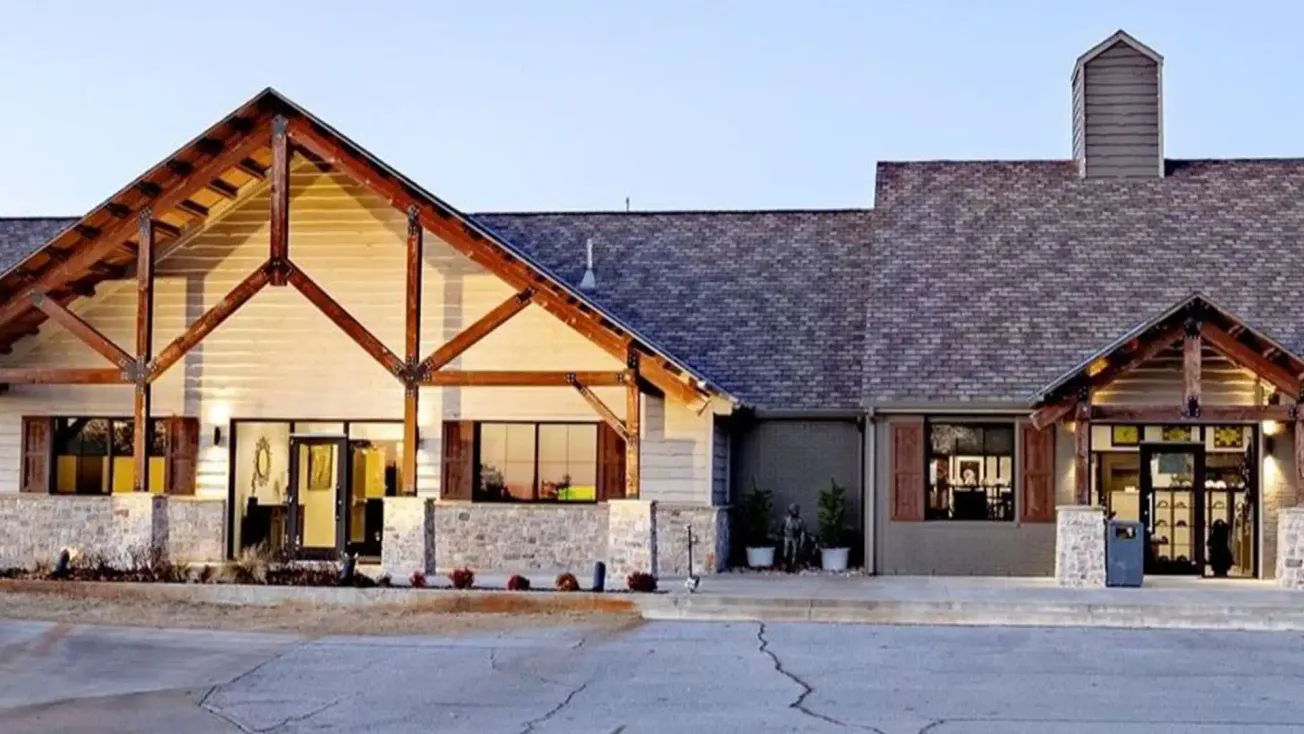
Rather than simply mail the lawsuit, the reporters decided to drive to Bokoshe and hand-deliver courtesy copies personally. They livestreamed their arrival in the small Oklahoma town, discussing their legal strategy while searching for the police station.
The personal delivery sent a clear message that attempts to intimidate journalists through protective orders would be met with immediate federal litigation. The reporters promised to return with an official process server the next day.
What Happens When Small-Town Power Meets Federal Court
Watch the full livestream to see how this constitutional clash unfolds in real time.