Table of Contents
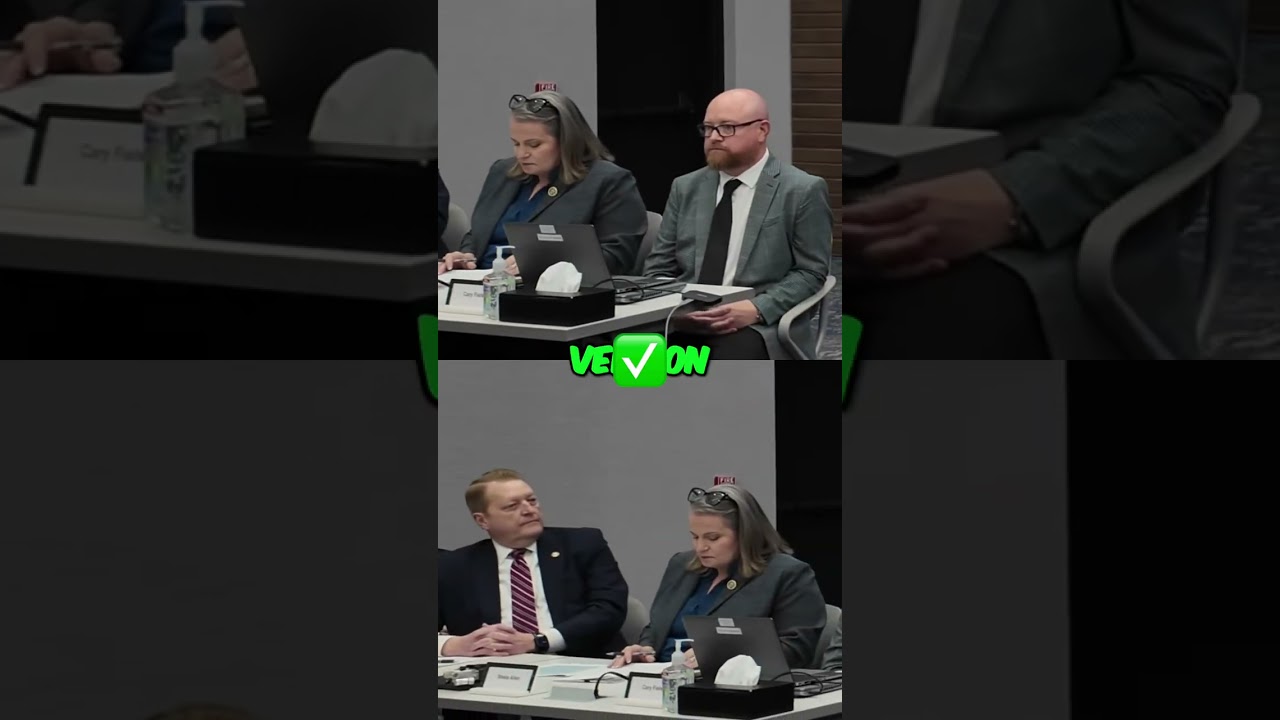
What started as a routine public meeting quickly became a constitutional confrontation when a journalist walked in with more than just a recording device. Armed with legal documents and a camera, the reporter had come to serve lawsuit papers to officials who thought they could discuss the case behind closed doors.
The Uncomfortable Recording Debate
The tension was immediate. Officials attempted to establish ground rules about recording, with one stating that interruptions and distractions would not be tolerated during official business. The journalist's response cut straight to the constitutional heart of the matter: recording cannot be a distraction when conducted lawfully under the First Amendment.
The exchange revealed a familiar pattern. Public officials comfortable conducting business until a camera appears, then suddenly concerned about disruptions and proper decorum. But this reporter wasn't there just to document the meeting.
Lawsuit Papers Hit the Table
The real surprise came when the journalist announced they had courtesy copies of a lawsuit for multiple named officials: "RP, Sublet Matthews, Kimble, Stava, Crisp, and Fuller." The reason for their presence became crystal clear. These officials had been discussing this very lawsuit in executive session, away from public view.
The journalist's offer was direct and loaded with implications. Come get the papers now, or receive home delivery with a camera crew. The choice was theirs.
Constitutional Rights Meet Legal Process
What makes this encounter particularly striking is the intersection of transparency and legal accountability. Officials attempting to limit recording rights while simultaneously being served papers in a lawsuit that may well involve those very same constitutional issues.
The journalist's calm demeanor contrasted sharply with the obvious discomfort in the room. When officials hesitated to approach, the reassurance was almost mocking: "Just paper. It won't bite you."
The Unfinished Business
The transcript cuts off just as the papers change hands, leaving critical questions unanswered. What exactly is this lawsuit about? How will officials respond now that they've been formally served on camera? And what happens when government business conducted in the shadows suddenly gets dragged into the light?
The full video reveals how this constitutional standoff unfolds and what these officials do when their private discussions become very public problems.