Table of Contents
When journalists arrived at Ottawa County, Oklahoma to investigate reports of inmates being beaten, officials responded by calling armed deputies on cameras, hanging up phones mid-conversation, and shutting down an entire jail facility. The target of their investigation: jail administrator Holly McDaniel, a sheriff's deputy who allegedly has a protective order issued against her for assault and battery.
Court Clerk Calls Armed Deputy Over Camera
The investigation began routinely at the courthouse, where reporters sought public records related to alleged abuse cases. Court clerk Renee Todd immediately expressed discomfort with being recorded in the public building, despite working in an elected capacity serving taxpayers.
"I don't really appreciate when a government official calls a guy with a gun for a camera," one journalist observed after Todd summoned a sheriff's deputy simply because reporters were documenting their public records request. The deputy, however, behaved professionally and left after confirming no disturbance was occurring.
When asked about her objection to cameras, Todd struggled to articulate her concerns beyond general discomfort, even though security cameras already record her workplace daily under open records laws.
County Clerk Threatens to Make Reporters "TV Stars"
The situation escalated when reporters requested five years of payroll records for Todd due to her unprofessional behavior. Rather than process the routine public records request, she became increasingly defensive and sarcastic.
"We decided we're going to go ahead and do a full length video on her behavior and unfortunately you're going to be in it now," the journalist explained. Todd's response revealed her priorities: "Good, I always want to be a TV star."
A sheriff's supervisor later arrived and professionally defused the situation, explaining that rural counties simply aren't accustomed to accountability journalism and advising his colleagues to respond courteously to public records requests.
Jail Facility Mysteriously Shuts Down
The most dramatic obstruction occurred at the Ottawa County jail itself. As reporters approached the building to ask questions about alleged inmate abuse, staff observed their arrival and immediately began making phone calls.
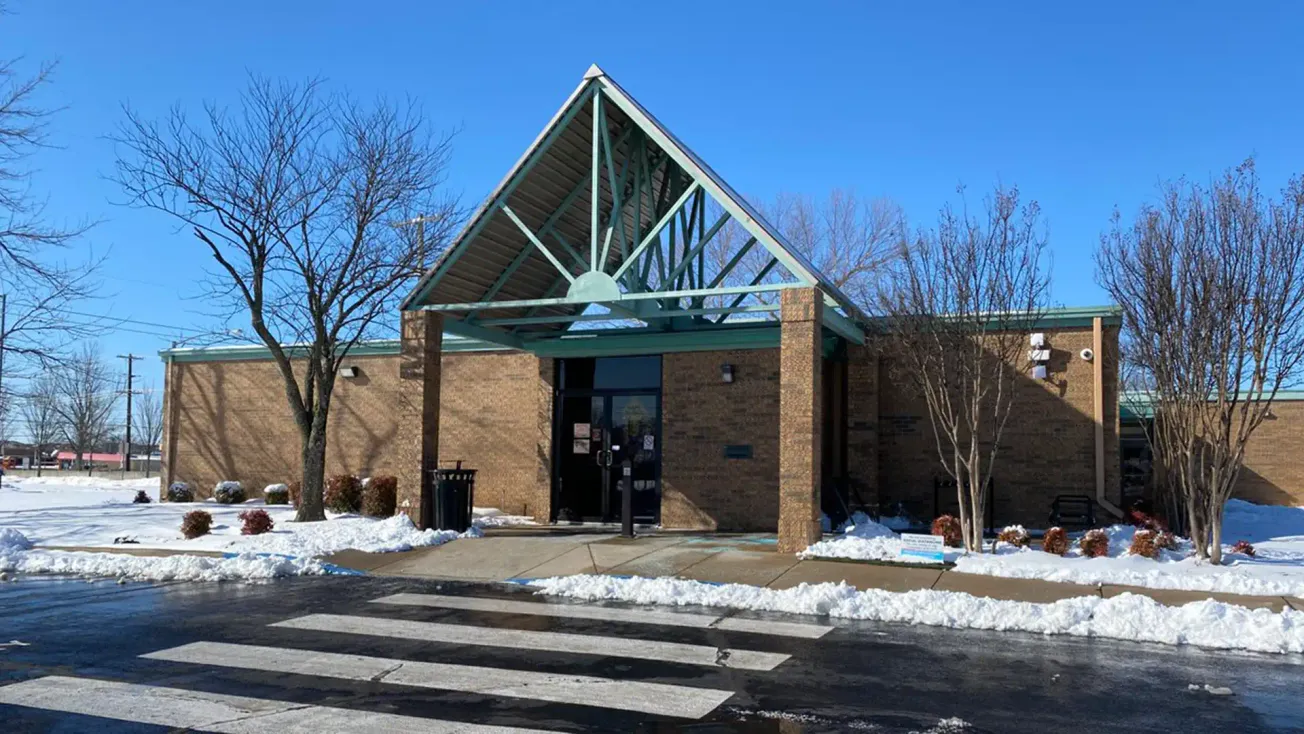
When the journalists reached the front entrance, they discovered something extraordinary: the entire public access to the sheriff's department had been blocked. A hastily placed "Door Out of Order" sign appeared on the main entrance, effectively shuttering public access to the facility.
"This is ridiculous, so if you need any help at the sheriff's department, don't come to the Sheriff's Department," one reporter noted, pointing out the absurdity of a law enforcement facility becoming inaccessible to the public they serve.
Phone Operator Refuses Basic Transparency
Attempting to reach someone by phone, reporters encountered a tower operator who became increasingly hostile when asked about jail conditions. The conversation revealed a troubling attitude toward public accountability.
When asked how many inmates had been transported to medical facilities in the past 60 days, a reasonable question given abuse allegations, the operator refused to provide any information. "I'm not going to discuss anything with you," she stated, directing all questions to the Oklahoma State Bureau of Investigation.
Most concerning was her refusal to identify herself for basic transparency purposes. "I don't have to give out my name for my safety," she claimed, before adding, "I don't think you're a credible source." She then abruptly hung up while reporters could hear activity continuing inside the supposedly closed facility.
DA's Office Investigators Go Silent
The final stop at the District Attorney's office proved equally unproductive. An investigator for the DA's office, when asked about the jail abuse allegations, provided a one-word response to multiple questions: "Nope."
He refused to identify himself, discuss the ongoing investigation, or explain why a public official investigating alleged crimes would not engage with journalists seeking information about those same crimes.
The pattern across multiple government offices was unmistakable: rather than address legitimate questions about inmate welfare, officials chose obstruction, phone calls to armed deputies, and facility shutdowns.
The full confrontation and the sheriff's complete interview reveal even more disturbing details about what officials are trying to hide.