Table of Contents
When journalists arrived at Warner, Oklahoma seeking records about a controversial police officer, they had no idea city officials would literally turn off the lights and hide to avoid transparency. What started as a routine public records request escalated into a federal lawsuit, all caught on camera.
The investigation centers on Shiloa Edwards, a police officer accused of jumping from department to department while allegedly committing crimes against women. Warner had recently fired Edwards, making their records crucial to understanding how such officers move through the system undetected.
The Hostile Reception That Started Everything
From the moment cameras entered Warner's city hall, officials exploded with anger. "We're going to ask you to turn that off," demanded one employee, despite the journalists operating in a public building during business hours. "I don't really want my face all over the internet."
The hostility intensified when officials discovered the journalists were investigating Edwards. One employee's demeanor shifted dramatically upon learning the disgraced officer was gone, admitting Edwards was "a scumbag" and "the best news ever" that he had left the department.
But when reporters requested Edwards' personnel file, complaints, emails, text messages, and resignation letter under Oklahoma's Open Records Act, city clerk Alicia shut down completely. "My attorney says I can't," she claimed, despite the law clearly requiring disclosure of most personnel records.
The Disturbing Pattern Officials Want Hidden
The records request revealed a troubling focus on Edwards' alleged crimes against women. When officials questioned why they needed information on someone who had already left, the journalist made a chilling comparison: "If he raped somebody and he left, should we say it's okay? He's gone from you guys but he's not gone from the system."
The analogy struck a nerve. Edwards' pattern of department-hopping while facing serious allegations represents exactly the kind of systemic failure that allows dangerous officers to continue harming citizens. Warner's refusal to provide transparency only enables this cycle to continue.
City Officials Literally Hide from Transparency
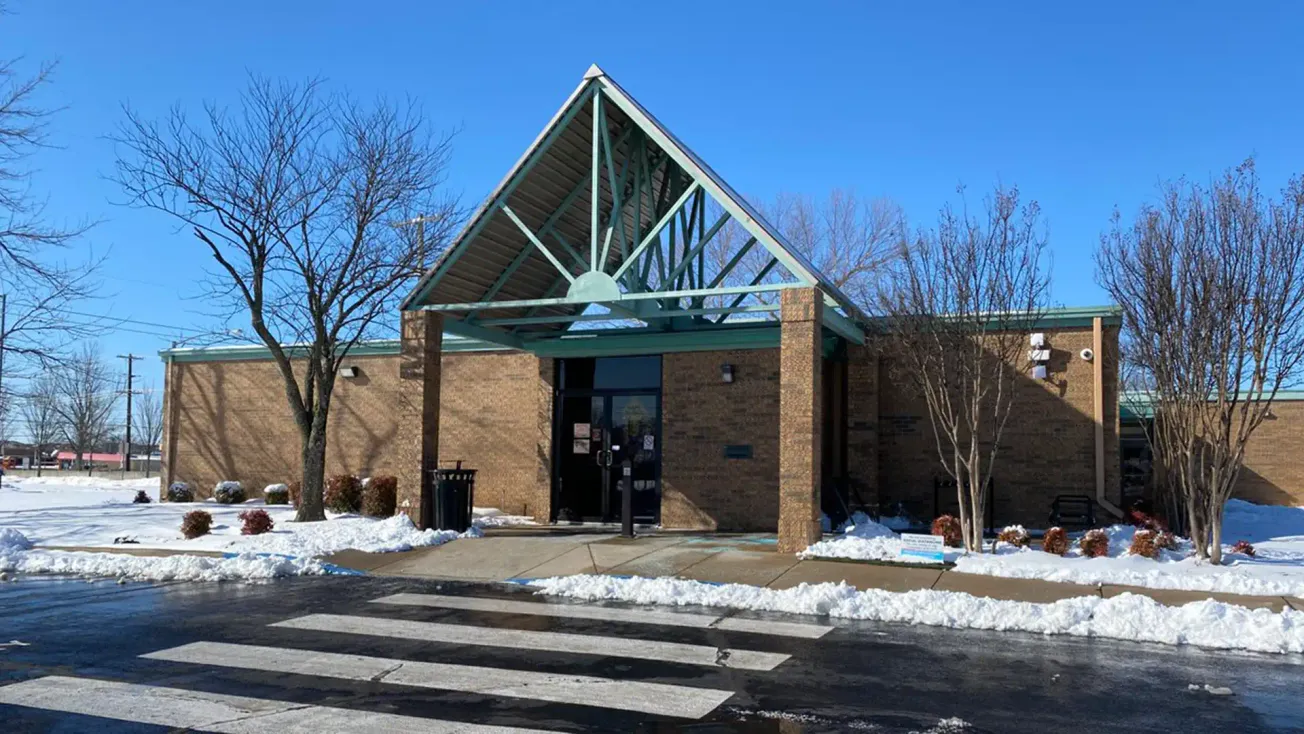
After the initial confrontation, something unprecedented happened. When journalists returned later that day for additional records, they discovered Warner had shut down the entire city government building during posted business hours. Lights were on, computers running, but every employee had vanished.
A sign directed visitors to a side window for after-hours requests, but that too was abandoned despite clear evidence of recent activity inside. City officials were literally hiding from their legal obligation to provide public records during business hours, a clear violation of Oklahoma law.
The Police Report That Exposed More Corruption
When journalists called police to report the Open Records Act violation, the responding officer seemed more interested in protecting city hall than enforcing the law. Despite acknowledging the legal requirement for records access during business hours, he refused to take action against officials who were clearly breaking state law.
The officer's reluctance revealed the deeper problem plaguing small-town governance: a culture where accountability ends at friendships and professional courtesy trumps citizens' rights to government transparency.
The Lawsuit That Changes Everything
Faced with systematic obstruction, the journalists filed a federal civil rights lawsuit directly at the courthouse, seeking to compel Warner to follow Oklahoma's Open Records Act. The filing cost $194.14, money that could have been saved if officials had simply followed the law from the beginning.
But the most explosive moment came when serving the lawsuit papers. As city employees tried to defend their actions, one journalist confronted them about their role in harassing an elderly woman who had donated $100 to support the investigation. The harassment campaign on Facebook revealed the vindictive culture driving Warner's obstruction.
What the Hidden Camera Captured Next
The story takes an even darker turn in footage that shows exactly how these officials behave when they think no one is watching. While one camera was turned off to appease city workers, a hidden backup device kept recording, capturing behavior that will leave viewers stunned.
Watch the full investigation to see what Warner officials said and did when they thought the cameras were off, and discover why this lawsuit could change how small towns handle police accountability forever.