Table of Contents
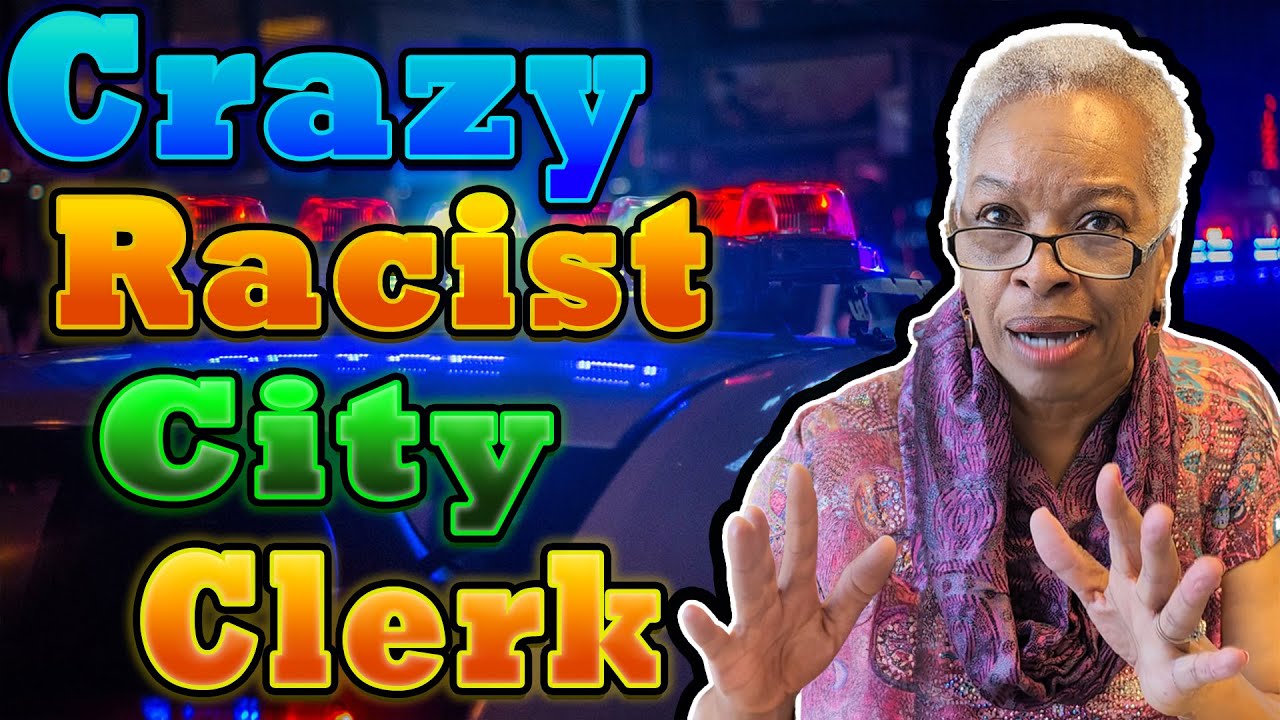
A routine public records request in Boynton, Oklahoma turned into a shocking display of racial commentary and legal violations when the city clerk made explicit comments about the journalist's race before refusing to comply with state open records laws. The entire interaction was captured on video, revealing a troubling pattern of both discrimination and potential criminal conduct by a public official.
The Attorney's Refusal Sets the Stage
The confrontation began when independent journalist Ron attempted to obtain records related to a police officer named Joey Oliver. After sending an initial request to city attorney Matthew Price, who represents multiple municipalities in the region, Ron was told he would need to visit each city individually rather than having the attorney handle the consolidated request. This unusual requirement forced Ron to make separate trips to five different cities in a single day.
While four municipalities handled the requests professionally, Boynton proved to be a stark exception. What should have been a simple records exchange instead became a masterclass in how public officials can violate both civil rights and state law in a matter of minutes.
When Public Service Turns Personal
The city clerk's behavior was problematic from the moment Ron entered the office. Despite Ron's polite introduction and explanation that he was there for an open records request, the clerk immediately became defensive and called the mayor rather than following standard procedures. During this phone call, she made the comment "I believe everything white people say" while discussing Ron's request.
The clerk's computer screen revealed another issue entirely. Throughout the interaction, she had clothing shopping websites open, suggesting a casual disregard for her duties during business hours. When she realized the screen was visible, she quickly minimized the browser tabs.
The Mayor Says Yes, But the Clerk Says No
In a twist that highlights the clerk's willful violation of her duties, the mayor actually approved Ron's request during their phone conversation. The clerk confirmed this approval, telling Ron "the mayor told me it was okay to do it." However, she immediately contradicted herself by stating she would not fulfill the request that day, despite having ample time and legal obligation to do so.
When Ron questioned her earlier racial comment, asking what his being white had to do with anything, the clerk doubled down. She explained that she had "been around white people that bold and boastful" and suggested this justified her initial refusal to help him. Even when Ron asked directly if she was racist, she maintained her position while claiming she "meant what she said."
Legal Violations Pile Up
The situation escalated when Ron began requesting additional public records that the city is required to maintain and provide. The clerk claimed not to have policy and procedure manuals available for inspection, a violation of state law. She also refused to provide meeting minutes from recent city council sessions, despite these being among the most basic public records any municipality must maintain.
Each refusal represented a separate misdemeanor violation of Oklahoma's Open Records Act. The clerk seemed unconcerned about these legal implications, even after Ron explicitly informed her that her actions constituted criminal behavior.
The Final Confrontation
As the noon closing time approached, the clerk called for additional backup, summoning someone named Travis to the office. She described Ron as "a white guy she's afraid of," continuing the racial narrative she had established throughout the encounter. Despite having the legally required documents readily available and explicit approval from the mayor to provide them, she maintained her refusal.
The clerk's final statements revealed the depth of her misconduct. She acknowledged that she was supposed to provide the records but declared she simply would not do so, regardless of legal requirements or mayoral directives.
What Happens Next Remains Unclear
The video ends with Ron leaving the office after being denied multiple categories of public records, despite clear legal entitlements to receive them. The clerk's behavior appears to constitute several misdemeanor violations of state open records laws, while her explicit racial comments raise additional civil rights concerns.
Watch the full confrontation unfold and see exactly how a simple records request exposed both discrimination and lawbreaking by a public official.