Table of Contents
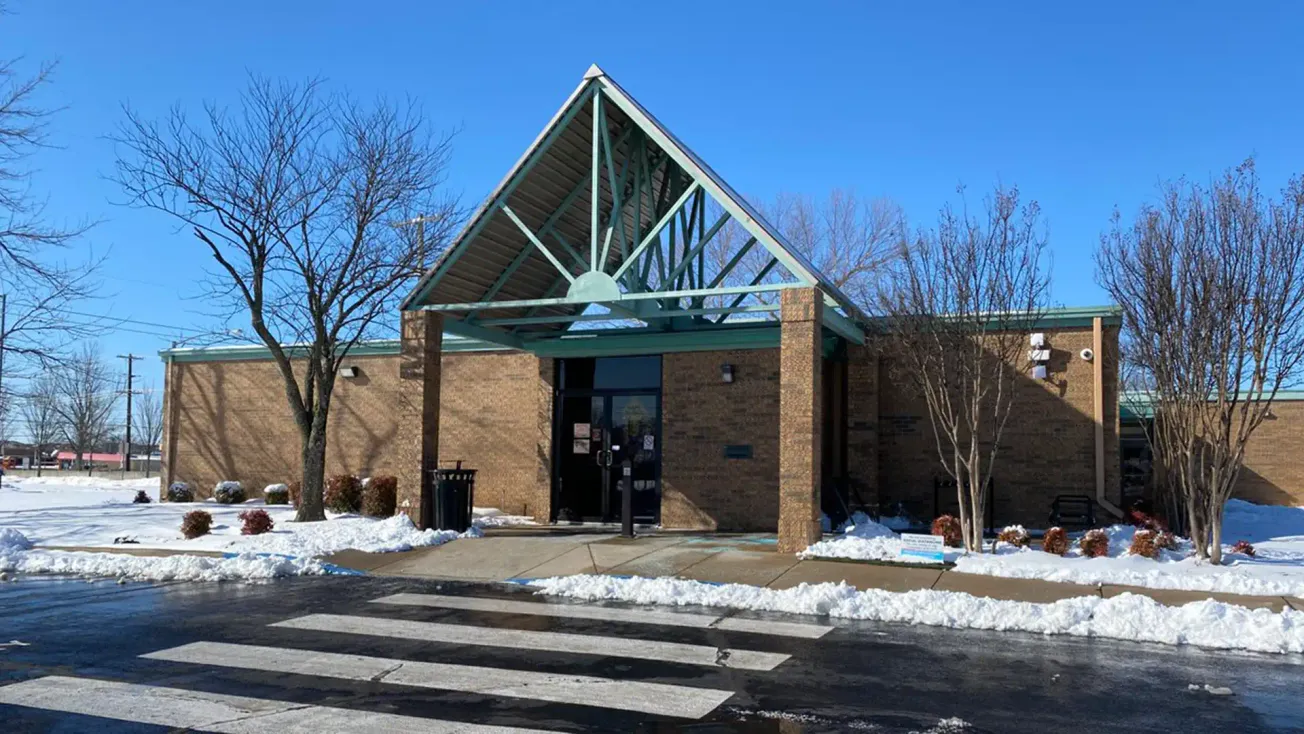
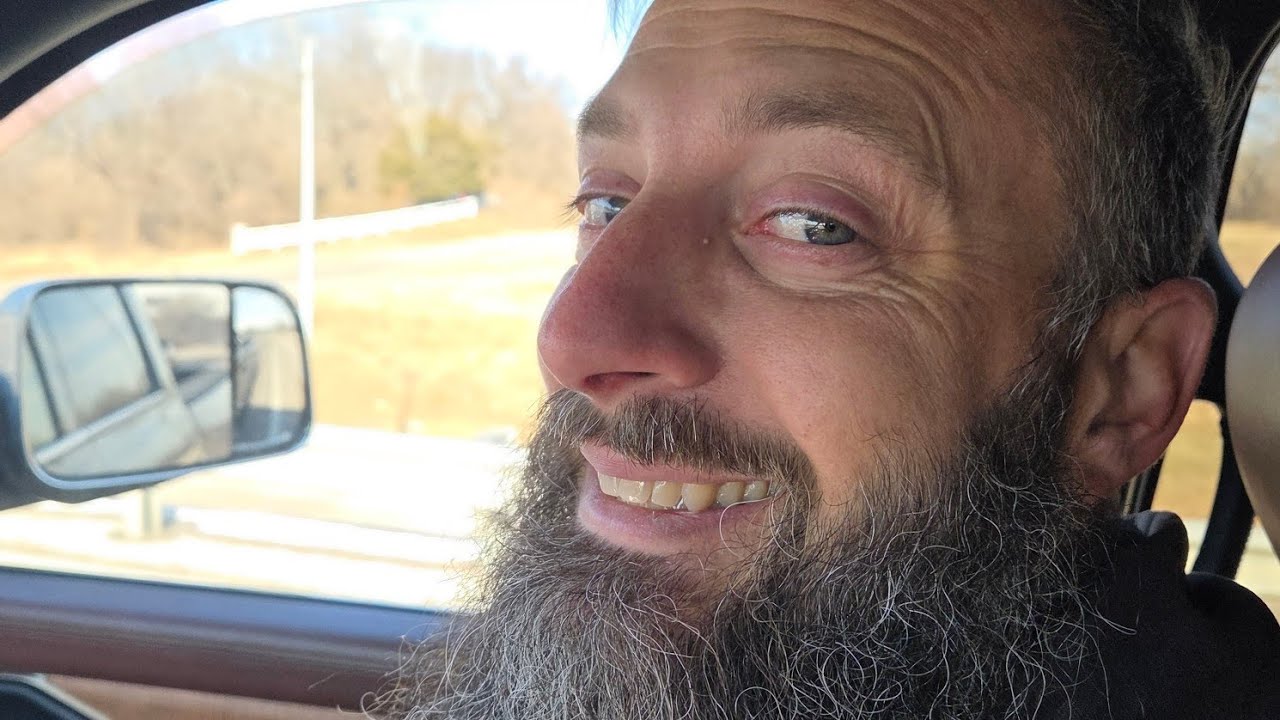
A routine records request turned into a heated confrontation when a citizen journalist arrived at the Lexington Police Department seeking comment on an ongoing Justice Department investigation. What should have been a straightforward public information inquiry quickly spiraled when officers noticed the camera was rolling.
The Investigation Nobody Wants to Discuss
The journalist's mission was simple: find someone willing to comment on a federal Justice Department investigation into the department. But from the moment he stepped inside the small police station, it became clear that transparency wasn't on the agenda. The first officer's response was immediate and decisive: "No comment. No comment at this time."
When pressed for basic information about who was making that decision, the evasion began. The person in charge wasn't there, but the officer refused to provide even a name. The circular conversation revealed a troubling pattern of stonewalling that raised more questions than it answered.
When Questions Trigger Hostility
The situation took a sharp turn when the journalist persisted with his inquiries. Simply asking "Who is that?" and "What's his name?" seemed to strike a nerve with the officer, who suddenly accused the journalist of having an attitude. The irony wasn't lost on anyone watching: the person asking legitimate questions was being accused of attitude by the person refusing to answer them.
The Camera Changes Everything
The officer's demeanor shifted noticeably once the recording became apparent. What followed was a textbook example of how some public servants react when their actions are being documented. The journalist noted that circuit courts across the United States have consistently upheld the public's right to record police encounters, making the hostile reception all the more concerning.
Backup Arrives as Tensions Rise
Rather than answer basic questions about department leadership, the first officer decided to call for assistance. "I'm going to let her handle you," he declared, as if dealing with a journalist exercising constitutional rights required special intervention. The arrival of additional personnel suggested this simple records request was about to become something much more complicated.
What Happened Next Remains Unclear
The transcript cuts off just as tensions reach a boiling point, leaving viewers with a crucial question: how did this confrontation end? Did the department eventually provide any information about the Justice Department investigation? Were there consequences for the journalist's attempt to document the encounter?
Watch the full video to see how this explosive encounter at the Lexington Police Department unfolded and whether transparency ultimately prevailed over hostility.