Table of Contents
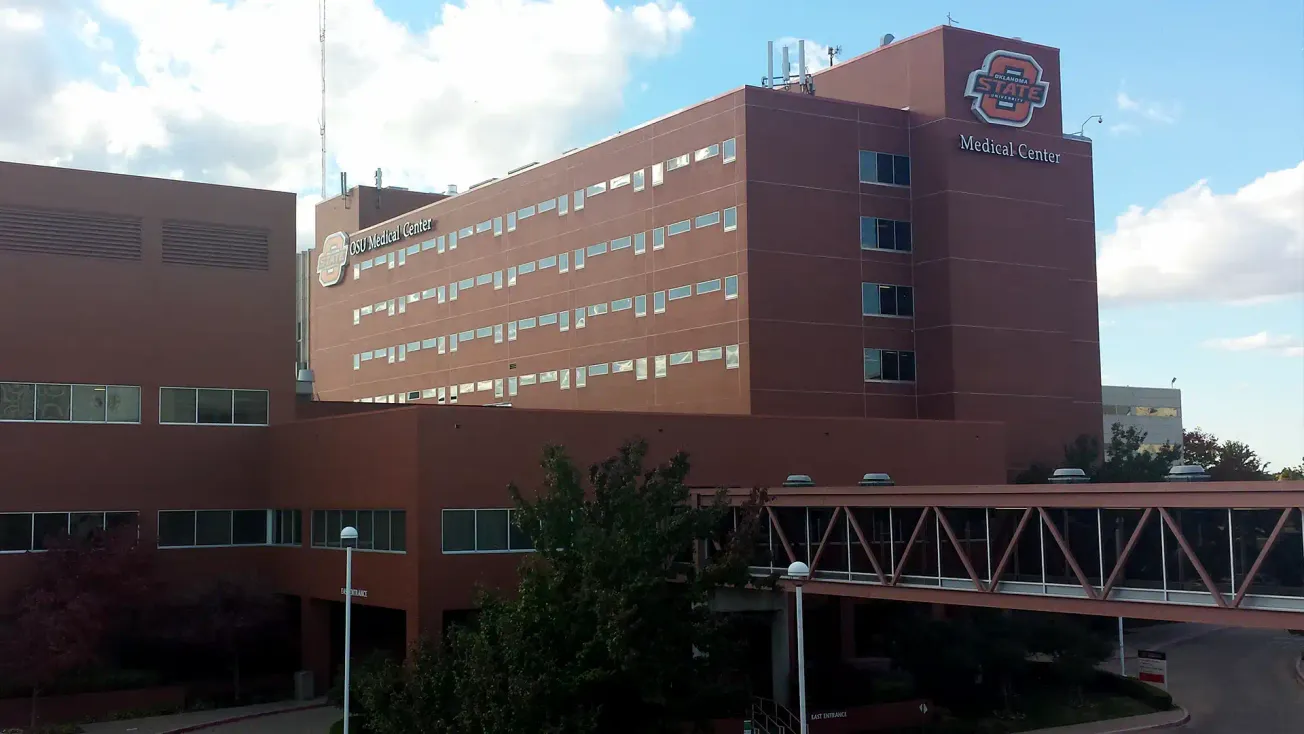
A routine records request at a Mississippi police department under federal investigation turned into a constitutional nightmare when Officer Scott Walters made clear his feelings about outside scrutiny. The encounter in Lexington, Mississippi reveals exactly why the Department of Justice launched its civil rights probe into this small Delta town.
The Town Under Federal Investigation
Lexington, Mississippi sits in the heart of the Delta with barely 1,200 residents and $1.7 million in outstanding fines. The Department of Justice opened a formal investigation into the Lexington Police Department after finding "significant justification" for concerns about systematic constitutional violations and patterns of civil rights abuses.
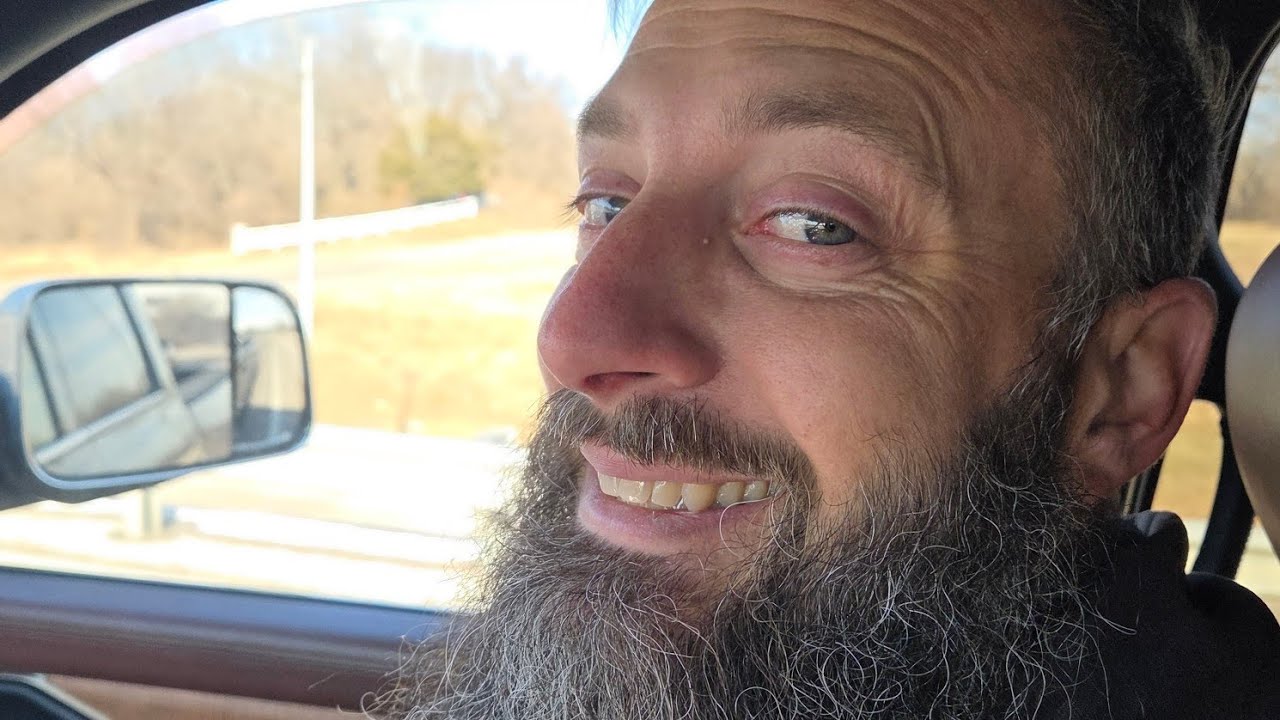
The journalist had traveled from Oklahoma after reading DOJ reports documenting how officers used tasers "as cattle prods" and subjected suspects to excessive force simply because they were "being unkind." He planned to interview community members and request records to understand the scope of the problems.
First Contact Goes Sideways
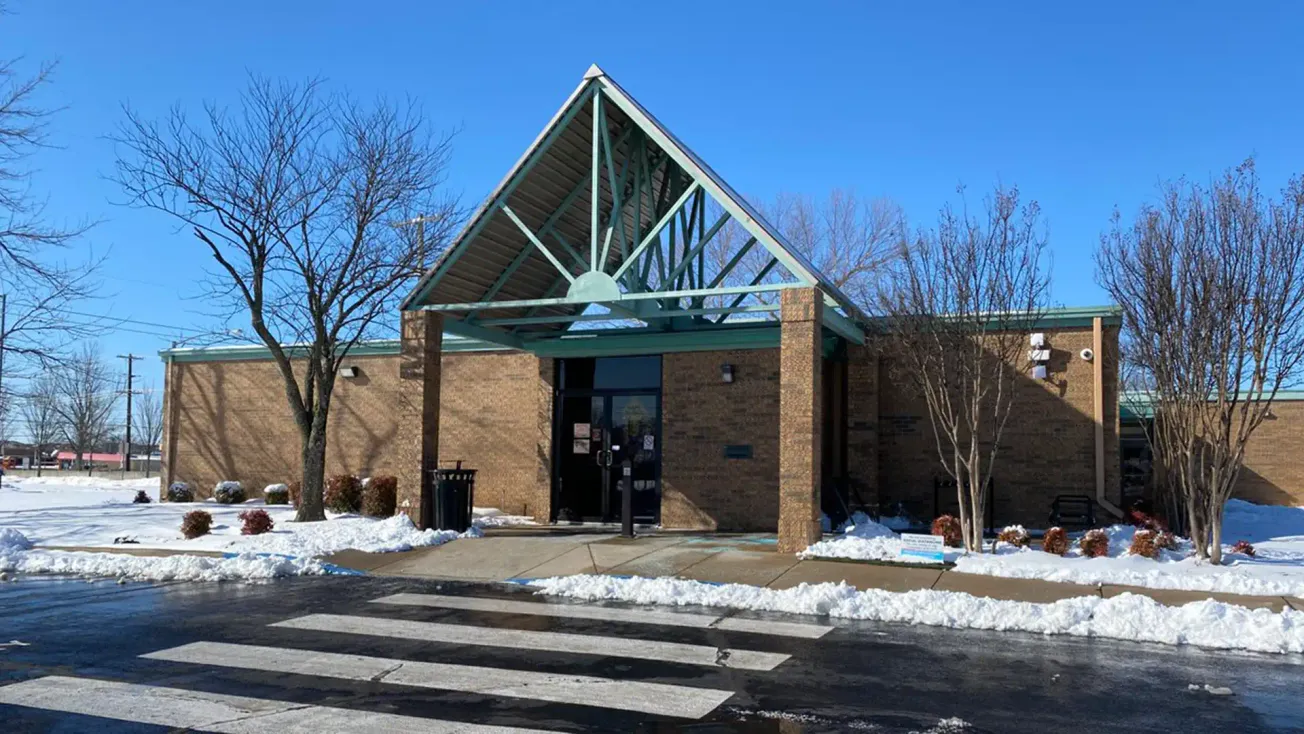
Inside the small police station, hostility erupted immediately when staff saw a camera. Officer Scott Walters, identifying himself as "Chief Investigator," refused to answer basic questions about the federal probe and became increasingly agitated when asked about standard records requests.
"You're here to harass us," Walters declared, despite the journalist's calm demeanor and straightforward questions. When told he was being "obnoxious," the journalist had to repeatedly tell the officer to "deescalate" as tensions mounted.
The interaction ended with Walters threatening arrest if the journalist didn't leave immediately. He left, following Walters' directions to city hall for the records he'd requested.
The Justice Court Confrontation
At the Holmes County Justice Court, another constitutional violation unfolded. The court clerk demanded the journalist stop recording in the public building, threatening to call police when he explained his First Amendment rights.
"It's my constitutional right, ma'am," he responded calmly. But the clerk made the call anyway, summoning the same Officer Walters who had just forced him out of the police station.
This time, Walters arrived with a clear agenda for retaliation.
"F**k the Justice Department"
The moment Walters stepped out of his patrol car, he announced the journalist was "detained" and not free to leave. There was no crime, no reasonable suspicion, just anger at being filmed and questioned about federal oversight.
A sheriff's deputy tried to warn the journalist about Walters, but the warning came too late and too vague. When Walters returned from the building, his rage had escalated to dangerous levels.
Standing 20 feet away in shorts and a t-shirt with no pockets, the journalist asked repeatedly if he was free to go. Walters exploded, demanding ID and making bizarre claims about his authority. When told the ID was in a backpack on the truck's tailgate, Walters went "hands on" the moment the journalist touched the bag.
During the arrest and aggressive search, Walters made his feelings crystal clear, saying "F**k the Justice Department" at least three times. He also declared that the journalist's "constitutional rights don't trump my right to go home at night."
The Phone Calls That Changed Everything
After handcuffing and slamming the journalist against his patrol car, Walters planned to take him to jail on bogus obstruction charges. But something unexpected happened during processing at the station.
The phones started ringing. The journalist had been broadcasting live, and viewers began calling to check on his welfare. Suddenly, Walters' attitude shifted completely. He began shaking hands and trying to befriend the man he'd just brutalized.
They offered to make the charges "disappear" if he just left town quietly.
What the Video Shows Next
The footage captures the complete transformation of Officer Walters once he realized people were watching. But it also reveals something more disturbing about how this department operates when they think no one is paying attention.
The journalist made a critical decision about whether to take the deal or fight the charges. What happened next would determine whether Lexington's reign of civil rights violations would continue unchecked.
Watch the full encounter to see how a simple records request exposed the very behavior that brought federal investigators to Mississippi's most controversial police department.