Table of Contents
A Mississippi police officer who arrested a journalist for filming in public was caught on camera hiding behind a door at his own police station, just hours before a city council meeting that would determine his employment fate. The bizarre incident unfolded as civil rights journalist Ron Durban returned to Lexington, Mississippi, with fellow reporter James Freeman to document the aftermath of his controversial arrest 11 days earlier.
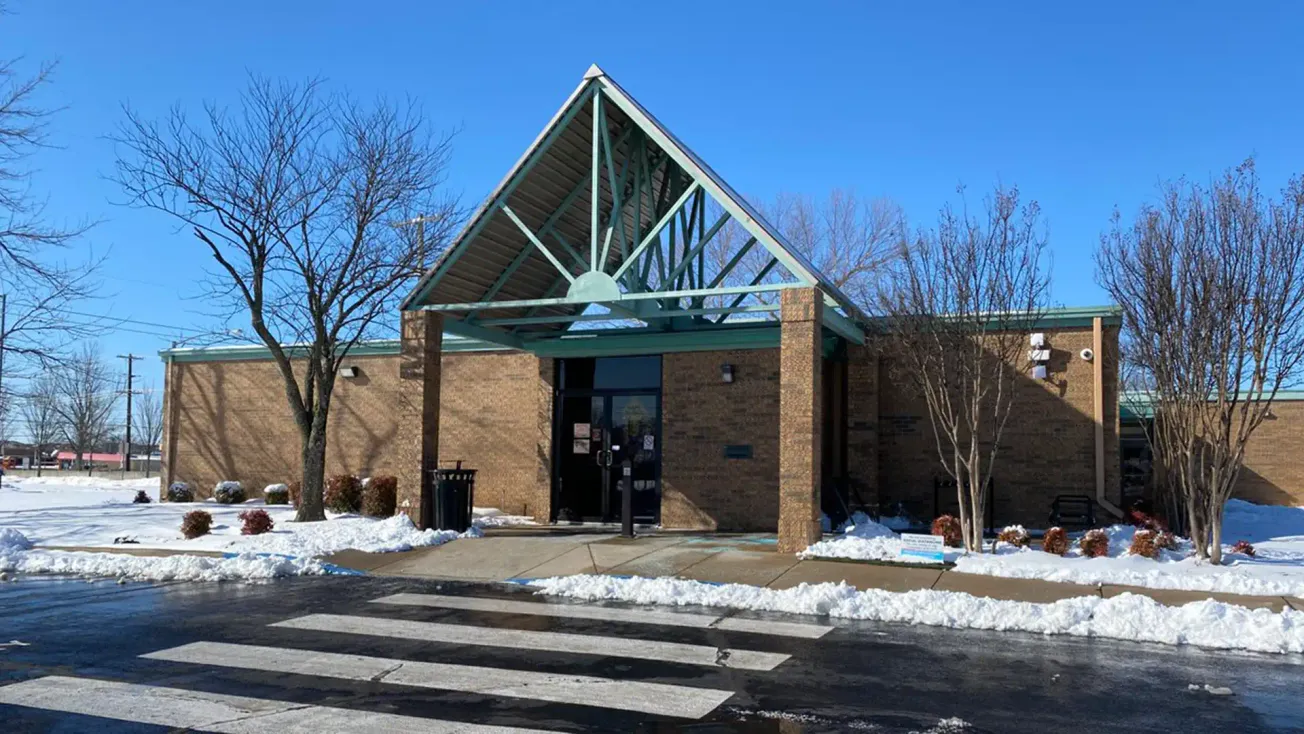
Officer Scott Walters had arrested Durban on October 3rd for the simple act of filming at the Lexington Police Department and Justice Court. The arrest sparked outrage and led to a Department of Justice review of civil rights violations in the small Mississippi town. Now Walters faced termination at a 5:15 PM city council meeting.
The Coward Behind the Badge
What happened next defied belief. As Durban's voice could be heard outside the Lexington Police Department, Officer Walters reportedly scrambled to hide behind a door inside the building. Freeman's camera captured the uniformed officer pressed against the door frame, badge and gun still attached, remaining concealed for a full ten minutes.
"That's Walters hiding behind the door," Freeman can be heard saying on the livestream watched by over 1,600 viewers. "This is what they do when they don't have the ability to abuse your constitutional rights anymore. They hide behind a door like a little girl."
The image of a sworn law enforcement officer cowering from accountability created an immediate stir online, with viewers calling the Lexington city offices demanding Walters' termination.
Jackson Police Escalate the Controversy
The drama intensified when the journalists traveled to Jackson, Mississippi, to test how other departments handle citizens with cameras. At the Jackson Police Department, officers immediately demanded identification for entry to the public building, despite constitutional protections for accessing government facilities.
When Durban explained he didn't have ID, officers pointed to their own posted policy allowing escort access for visitors without identification. However, they refused to follow their own rules, apparently because he carried a camera.
The confrontation escalated quickly, with officers discussing arrest and one corporal allegedly making threatening statements about meeting Durban after his shift ended.
A Tale of Two Cities
The contrast became stark when the group visited Jackson City Hall. Staff there welcomed them without demanding identification, treated them professionally, and even allowed them to speak with the communications director about filing complaints against the police department's unconstitutional ID policy.
The difference in treatment highlighted a troubling pattern: some Mississippi law enforcement agencies appear to view cameras as threats rather than tools of accountability, despite clear constitutional protections for recording government officials.
What the Video Reveals
While the livestream captured these confrontations in real time, the full extent of what transpired, including the complete footage of Walters hiding and the Jackson officers' behavior, remains to be seen. The journalists indicated they have additional recordings that may reveal even more concerning conduct.
Watch the complete confrontations and see for yourself what happens when citizens exercise their right to hold government accountable on camera.