Table of Contents
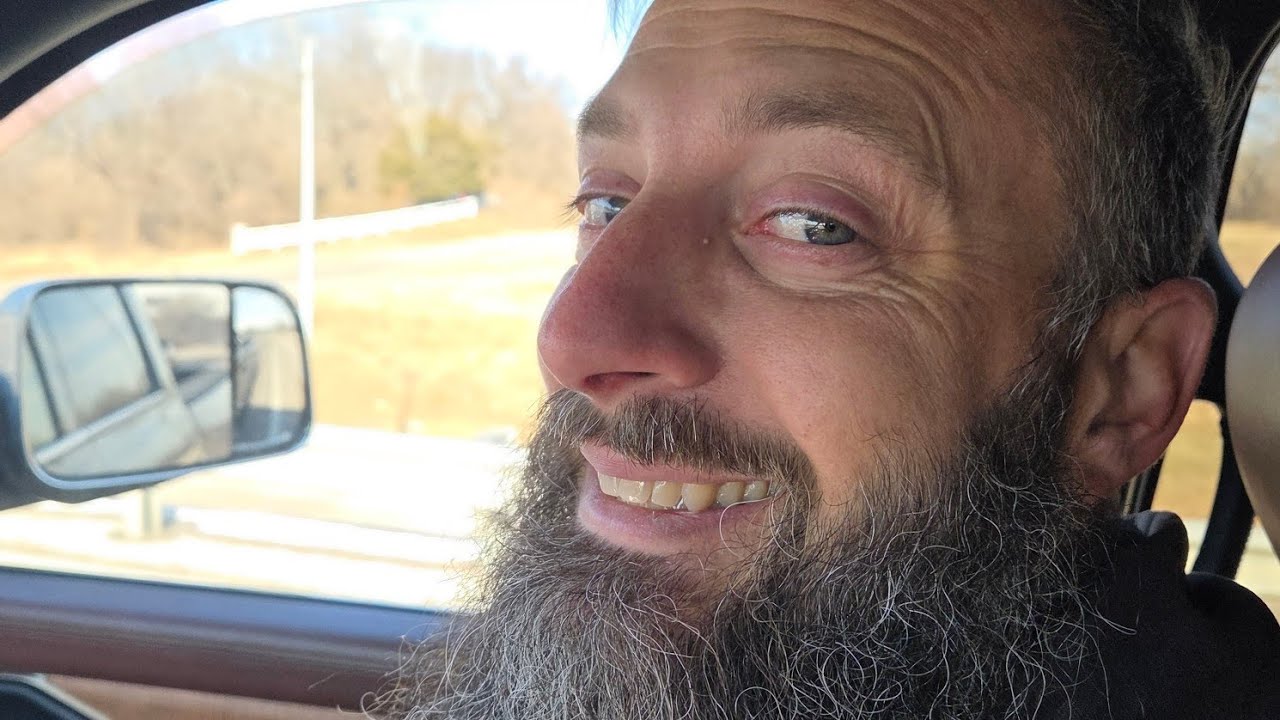
A journalist's investigation into federal corruption charges nearly landed him in jail when the very officers under scrutiny arrested him and allegedly told him to leave town. The incident unfolded in Lexington, Mississippi, where the Department of Justice is actively investigating the police department for patterns of unlawful arrests, excessive taser use, and illegal cash bail practices.
The Federal Investigation That Set the Stage
The journalist had traveled to Lexington specifically to investigate the DOJ's findings about the police department's alleged misconduct. He assumed that with federal investigators breathing down their necks, local officers would be on their best behavior. That assumption proved dangerously wrong.
The Department of Justice report detailed systematic violations including unlawful arrests, improper use of tasers, and questionable cash bail practices. These are the same officers the journalist encountered during his reporting trip.
From Police Station to Courthouse: Escalating Confrontations
The trouble began at the Lexington Police Department, where the journalist received threats of arrest for filming inside the building. Rather than backing down, he continued his investigation by visiting the local justice court to gather more information about the federal allegations.
At the courthouse, staff called police on the journalist. What happened next shocked even someone experienced with law enforcement encounters. Officer Walters arrived and became what the journalist described as "violent and angry," handling him more roughly than any previous police interaction in his career.
The journalist was arrested on charges of disorderly conduct and failure to comply. But the arrest itself followed an unusual pattern that raised questions about proper procedure.
The Bizarre Arrest Procedure
In a sequence of events that defied standard arrest protocols, the journalist was repeatedly taken in and out of handcuffs. First handcuffed during the arrest, he was then released to handle his camera equipment, then cuffed again, then released again to deal with his dog Duke in his truck.
Most surprisingly, while technically under arrest, he was told to follow the officers to the police station in his own vehicle to complete the booking process. The journalist literally drove himself to jail while under arrest, with the arresting officer calling him during the drive to give directions.
This procedural chaos suggested the officers were improvising rather than following established arrest protocols.
The Chief's Damage Control
The police chief, who was reportedly off duty that day, arrived at the scene to attempt damage control. Despite being described as seeming "nice," his presence couldn't undo the irregularities that had already occurred.
The chief criticized the journalist for not answering questions about whether he had a gun in his truck. When the journalist explained he doesn't answer police questions, the chief suggested he should have made an exception. This exchange highlighted the tension between constitutional rights and officer expectations.
The chief claimed that none of the current officers were involved in the misconduct under federal investigation, but the journalist noted their behavior didn't inspire confidence that the department's culture had changed.
The Deal That Avoided Jail
Facing the prospect of being held until he could see a judge, the journalist made a strategic decision. A county sheriff's officer had arrived and was considering calling his supervisor to decide whether to hold the journalist for the judge. The implied threat was clear: spend an indefinite time in jail waiting for a court appearance.
The journalist offered a deal: he would leave town immediately if they would let him go. The officers accepted this arrangement, essentially confirming what he was told directly after his arrest. The message was simple: leave town, and that's your ticket out of here.
But the journalist's departure may only be temporary. He's planning to return with a full team, more cameras, and bail money.
What the Cameras Didn't Capture
The full confrontation was captured on multiple devices, but crucial moments may have been missed when equipment was confiscated. Watch the complete footage to see how a federal corruption investigation turned into a journalist's arrest and the bizarre procedures that followed.