Table of Contents
What began as a peaceful afternoon documenting historic architecture in Natchez, Mississippi quickly escalated into a shocking display of hostility from Adams County Sheriff's deputies. A journalist visiting the antebellum city to research courthouse buildings found himself confronted by law enforcement officers who seemed to believe that filming police vehicles on public property was somehow illegal.
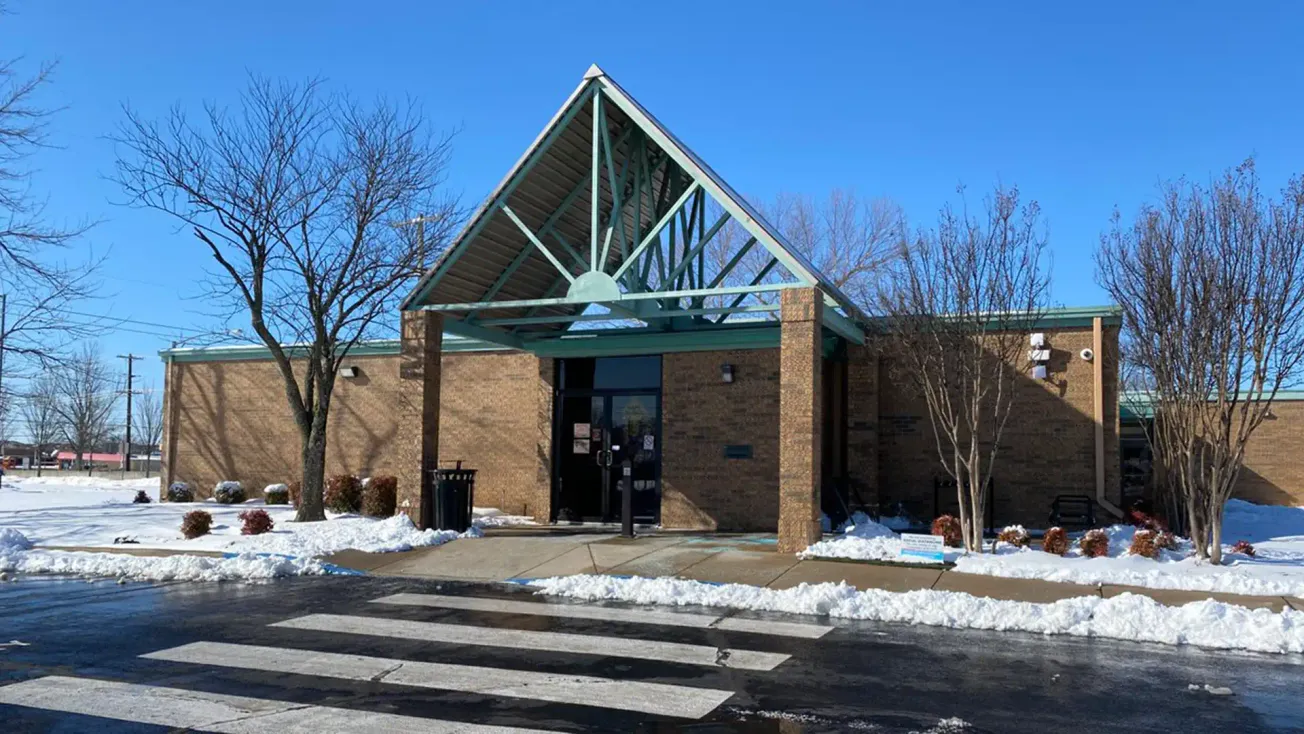
The incident unfolded on the public sidewalks surrounding the Adams County Sheriff's Office, where multiple deputies were engaged with another individual. When the journalist began recording the interaction from a public sidewalk, maintaining a respectful distance, the situation took an unexpected turn.
The Courthouse Encounter Sets the Stage
Earlier that day, the journalist had entered the Adams County Courthouse to document its 1924 architecture for a book project. Deputy Lemons, working security, initially welcomed the visitor but requested he turn off his camera inside the building. The interaction remained cordial and professional, with the journalist even providing press credentials when asked.
Deputy Lemons explained courthouse policies clearly and respectfully, allowing filming in public areas while restricting access to courtrooms. The journalist complied with all requests and thanked the deputy for his professionalism before leaving to continue documenting the historic downtown area.
Deputies Surround Tourist on Public Sidewalk
The tone shifted dramatically when deputies noticed the journalist filming their patrol vehicles from the public sidewalk. Multiple officers quickly surrounded him, making false claims about his legal right to document publicly owned property from a public location.
"You can't be on the hood of our car," one deputy declared, despite video evidence showing the journalist never touched any vehicle. When challenged about what crime had been committed, the deputy doubled down: "Yes, you committed a crime" for allegedly stepping on their car.
Physical Confrontation Over Camera Rights
The situation escalated when Chief Deputy Shane Dory approached the journalist. Video footage clearly shows Dory reaching toward the camera in what appears to be an attempt to grab the expensive equipment from the journalist's hands.
"Don't grab my camera. That's a $1000 camera," the journalist can be heard saying as he pulls back to protect his equipment. The deputy's aggressive movement toward the camera represented a clear violation of the journalist's First Amendment rights to document public officials in public spaces.
When asked to identify himself so a complaint could be filed, Deputy Dory refused and walked away. The journalist was left standing on the sidewalk, camera still rolling, trying to process what had just occurred.
The Complaint That Reveals Deeper Connections
Inside the courthouse, staff provided a complaint form, but the journalist faced a challenge: identifying the deputy who had grabbed his camera. The officer had refused to provide his name or badge number, making accountability difficult.
Research later revealed the deputy's identity as Chief Deputy Shane Dory, who has faced previous federal civil rights lawsuits that resulted in settlements. Even more concerning, Dory's wife Christina was simultaneously joining the District Attorney's office as an assistant prosecutor.
This family connection between law enforcement and prosecution raises serious questions about whether citizens can expect fair treatment when filing complaints against Adams County deputies.
What Happened Next Remains Unclear
The video captures the journalist's frustration as he attempts to navigate the complaint process while deputies retreat into their building. Multiple attempts to get basic information about filing grievances met with evasive responses from courthouse staff.
The full confrontation, including what led deputies to initially surround the other individual and exactly what was said during the physical altercation over the camera, can only be understood by watching the complete footage.
See the complete interaction and judge for yourself whether Adams County deputies understand the constitutional rights they swore to protect.