Table of Contents
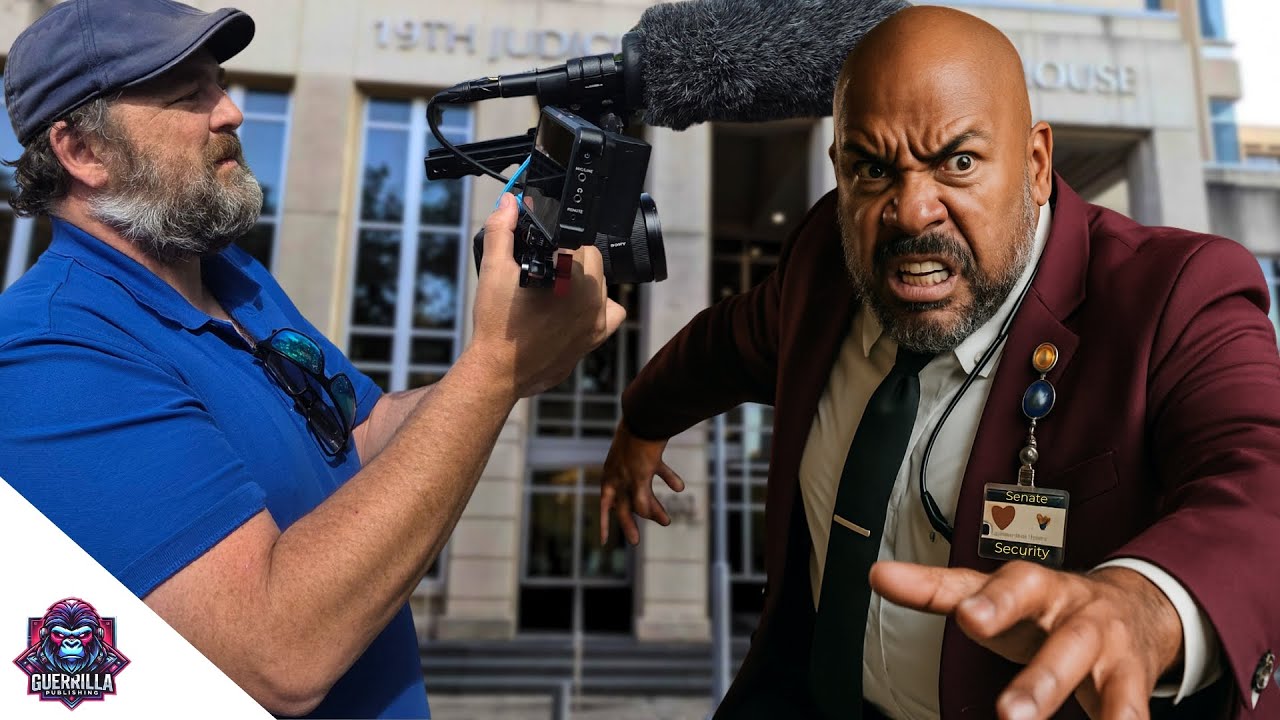
Two journalists exploring the Louisiana State Capitol got more than they bargained for when what started as a pleasant public tour escalated into a physical confrontation with aggressive security officers. The incident, captured entirely on camera, raises serious questions about public access rights in government buildings and how officials treat citizens exercising constitutional freedoms.
A Tour That Started Perfectly
The day began exactly as public building visits should. Capitol staff welcomed the visiting reporters warmly, offering detailed explanations about the historic Art Deco building's features and operations. The press liaison on the 19th floor even provided credentials information for future legislative coverage, praising the security team's professionalism. Everything seemed textbook until the journalists followed staff directions to check out the building's famous observation area.
The View That Triggered Security
When the elevator stopped at what officials call the second floor, the journalists began documenting the public observation deck they'd been specifically told to visit. That's when an unnamed security officer appeared and immediately declared the area off-limits to filming. Despite the journalists' explanations that staff had directed them there, and despite the obvious lack of any posted restrictions, the officer insisted they were trespassing in a restricted zone.
When Professional Disagreement Became Physical
The situation deteriorated rapidly when the security officer refused to identify himself, stepped aggressively into the journalist's personal space, and began making physical contact. Multiple times, the journalist asked the officer to step back and maintain distance. Instead of de-escalating, the officer doubled down, bringing in backup and continuing to crowd the reporters while refusing to clarify whether they were actually under arrest or simply being asked to leave voluntarily.
A Supervisor's Damage Control
When the head of security finally arrived, his approach couldn't have been more different from his subordinate's. Professional and courteous, he acknowledged the confusion about floor numbering, explained safety concerns about the railings, and promised to address both the signage issues and his officer's conduct. The contrast was stark, and telling.
Questions That Demand Answers
The incident exposes a troubling pattern: security officers claiming authority they may not possess, in areas that may not actually be restricted, against people engaged in clearly protected activity. If a public elevator stops at a public floor in a public building, and staff direct visitors to that location, how can access suddenly become illegal when cameras appear? The head of security's willingness to investigate suggests even he recognized something went wrong, but the video leaves viewers wondering what consequences, if any, followed.
Watch the full confrontation unfold and see for yourself how quickly public transparency can turn into a constitutional crisis in the halls of power.