Table of Contents
A routine visit to request police reports turned into a tense confrontation when Lexington Police Department's Chief Investigator Scott Walters refused to allow recording inside the station. The encounter, captured on video, shows how quickly a basic transparency request can spiral into threats of arrest.
The Hostile Reception
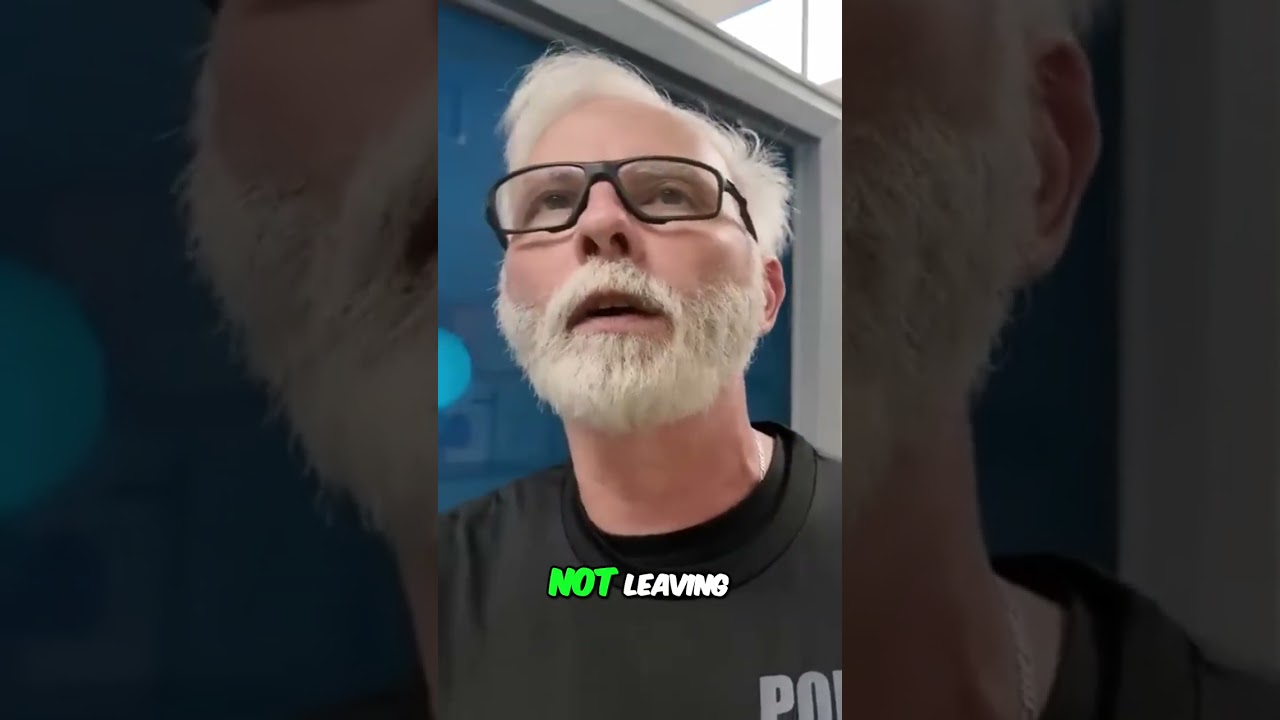
Upon entering the small Lexington Police Department, the journalist immediately encountered resistance from staff who objected to the presence of a camera. Officer Scott Walters, identifying himself as Chief Investigator, quickly took control of the situation with an aggressive demeanor that set the tone for everything that followed.
The irony was immediate. Every federal circuit court that has ruled on the issue has established the public's right to record police in the performance of their duties. Yet here was a police investigator becoming hostile over that very right being exercised in his own station.
The Records Request Runaround
What began as a simple question about obtaining police reports quickly became a bureaucratic maze. When asked about the process for public records requests, Walters claimed that only victims of crimes or those related to crimes could obtain reports directly from the department.
But then came the contradiction. When pressed about whether "normal" people would be sent to the city attorney's office, Walters said no. The journalist pointed out the obvious: "So you're sending me there just because I got this camera."
The First Amendment Confrontation
The situation escalated when Walters ordered the journalist to exit the building. When asked if this was under threat of arrest, Walters initially said no, creating a moment of legal confusion. If the order wasn't backed by arrest authority, it was merely a voluntary request that could be declined.
This apparent contradiction forced Walters into an uncomfortable position. He had issued an order he couldn't legally enforce, then had to backtrack when challenged on his authority.
The Threat That Ended It All
Walters' frustration boiled over as he accused the journalist of being "obnoxious" and claimed the visit was harassment rather than legitimate reporting. The chief investigator's anger intensified when asked to de-escalate, leading to the moment that defined the entire encounter.
The final exchange captured the essence of the confrontation, but the video reveals crucial details about Walters' demeanor, the exact words used, and the atmosphere inside the department that no transcript can fully convey.
Watch the complete confrontation to see how a simple records request exposed the Lexington Police Department's approach to transparency and constitutional rights.