Table of Contents
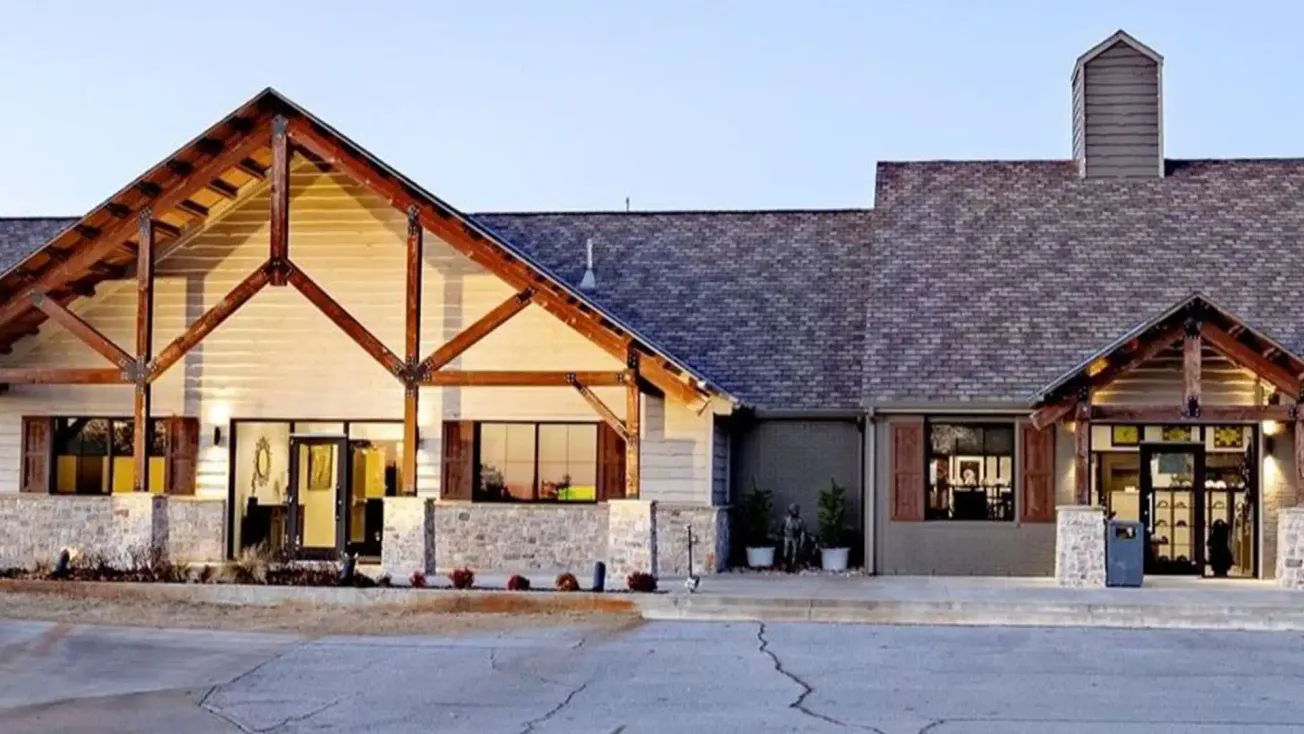
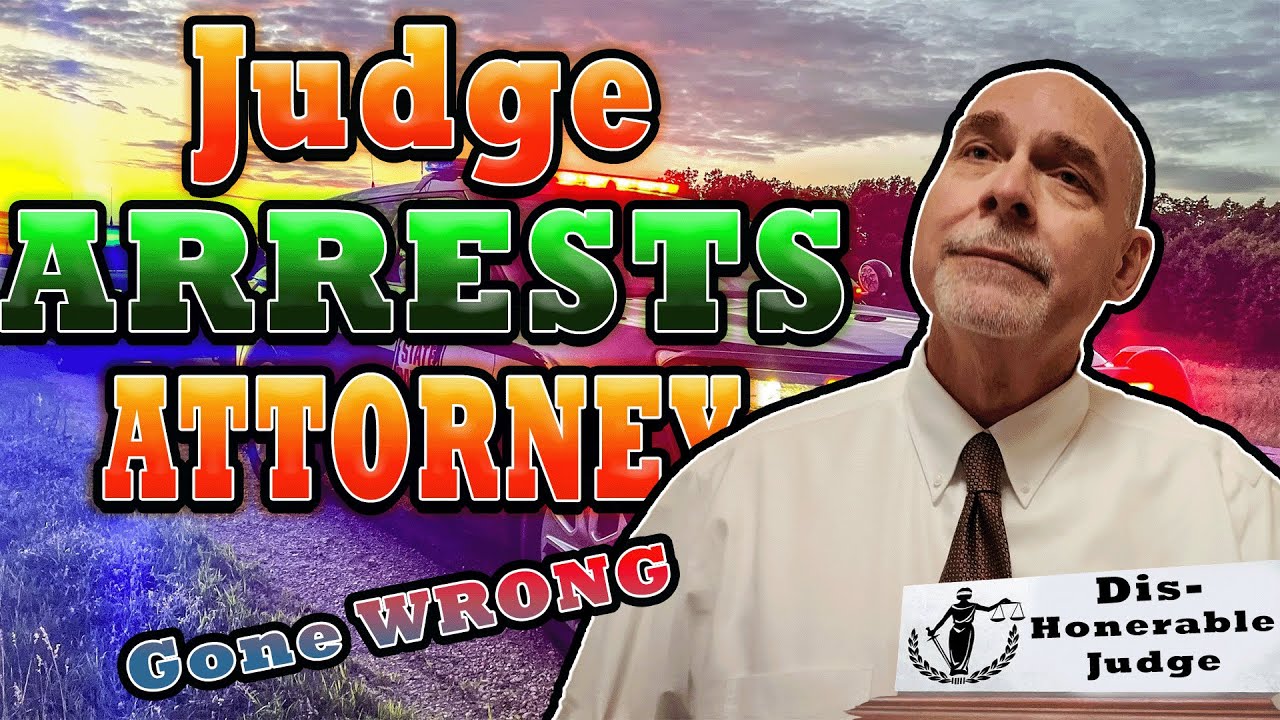
A tense standoff unfolded at the Wagoner County courthouse when District Judge Doug Kirkley attempted to force officers to remove attorney Ron Durbin for exercising his First Amendment rights. What started as an investigation into courthouse filming restrictions escalated into a constitutional crisis that put law enforcement in an impossible position. The entire confrontation was captured on video, revealing a judge who seemed willing to overstep his authority to silence a journalist.
The Illegal Court Order Investigation
Durbin arrived at the courthouse investigating reports of a judicial order restricting filming throughout the building. Such blanket restrictions on recording in public areas of government buildings have been repeatedly struck down by federal courts. When Durbin requested a copy of the signed order, courthouse staff initially provided an unsigned document. The judge later claimed the order was signed on June 3rd, but the document's timestamp revealed it was processed at 9:51 AM on July 22nd, after Durbin had already arrived to investigate.
This timing discrepancy raises serious questions about whether courthouse officials fabricated evidence of a pre-existing order to justify their restrictions on filming.
Judge Demands Removal Without Legal Authority
Judge Kirkley made his intentions clear from the start. "I won't let you film there," he told Durbin regarding the court clerk's office. When Durbin explained he would continue filming in public areas, the judge responded, "I'm going to have you removed." The judge repeatedly insisted that officers escort Durbin from the building, despite the attorney's pointed questions about the legal basis for such action.
The exchange grew increasingly heated as Kirkley struggled to articulate why recording in publicly accessible areas should be prohibited. His frustration was evident as he called for law enforcement to enforce what appeared to be an unconstitutional order.
The Constitutional Standoff
Officer Jones found himself caught between a judge's demands and constitutional law. When pressed to escort Durbin out under threat of arrest, the officer hesitated. Durbin made his position clear: he would only leave if given a direct order under threat of arrest, which would provide grounds for a federal civil rights lawsuit. This created a legal checkmate that the judge seemed unprepared for.
The undersheriff was eventually called to mediate the situation, recognizing the constitutional implications of the judge's demands.
Officers Choose Constitution Over Judge
In a remarkable display of constitutional awareness, the Wagoner County officers ultimately refused to follow the judge's directive. The undersheriff acknowledged the legal complexity, telling Durbin, "My opinion is if you can stand in the public and see it, you can film it." This principled stance by law enforcement prevented what could have been a clear violation of First Amendment rights.
The officers' refusal to act as enforcers of an unconstitutional order demonstrates the importance of law enforcement understanding constitutional limits on government authority.
Questions That Demand Answers
The confrontation ended without resolution, leaving critical questions unanswered. Why did Judge Kirkley believe he had authority over areas outside his courtroom? Was the timestamp on the court order evidence of document manipulation? Most importantly, what consequences will the judge face for attempting to use law enforcement to violate constitutional rights?
The video reveals a judge seemingly unfamiliar with established First Amendment law regarding public buildings, yet willing to weaponize his position against a journalist seeking accountability.
Watch the full confrontation to see how this constitutional crisis played out and whether Judge Kirkley ultimately backed down from his demands.