Table of Contents
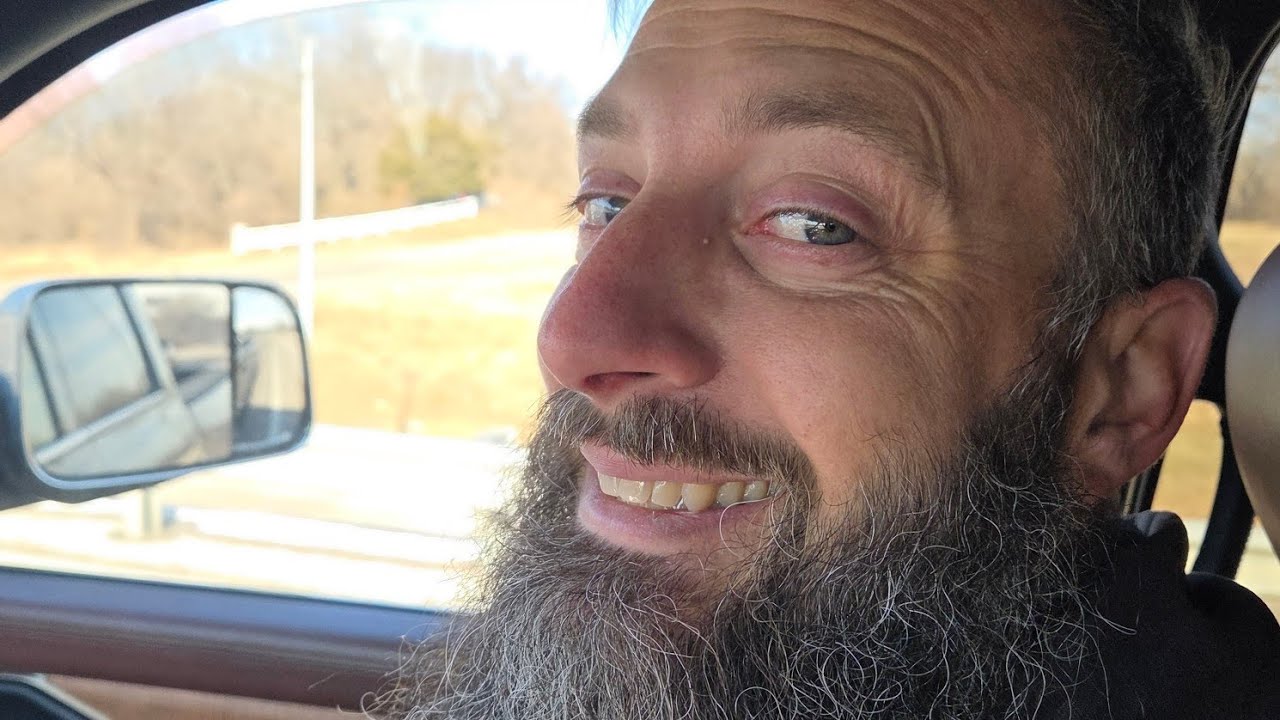
The trial of Jose "Chille" DeCastro, founder of the DeleteLawz accountability channel, began with immediate confrontation when the defendant called a court marshal "a pig" moments before his case was called. What followed was a masterclass in how judicial bias can poison a courtroom before the first witness even takes the stand.
Judge Ann Zimmerman in Nevada had already singled out DeCastro before his attorney arrived, demanding he surrender his phone and empty his pockets despite his protests about Fourth Amendment violations. When DeCastro made the "pig" comment, the judge threatened contempt charges, forcing an apology that only seemed to deepen the animosity.
The Constitutional Rights That Vanished
DeCastro's attorney had filed a motion requesting standby counsel status, which would have allowed DeCastro to represent himself with legal backup. Judge Zimmerman denied the request outright, dismissing it as a "delay tactic" despite no evidence of any requested continuances. The denial appeared to violate DeCastro's constitutional right to self-representation, especially given that Nevada law entitled him to a jury trial under multiple provisions, yet he faced a bench trial before this clearly hostile judge.
The case centered on charges of obstructing an officer and resisting arrest stemming from DeCastro's recording of a traffic stop in Las Vegas. Officer Brandon Bourque testified that DeCastro approached within 5 to 10 feet of a stopped vehicle, ignored multiple warnings to back away, and physically resisted when detained.
When Body Cameras Tell a Different Story
The prosecution's star evidence was Officer Bourque's body camera footage, but even that revealed troubling inconsistencies. The officer admitted on the stand that he initially ignored DeCastro, who was simply recording from a distance. Only when DeCastro approached the stopped driver did Bourque exit his patrol vehicle.
Crucially, the body camera footage showed gaps where officers paused recording to confer with each other, a common practice that defense attorneys argue amounts to tampering with evidence. DeCastro's attorney failed to object to the incomplete recording being admitted as evidence.
The Lawyer Who Watched His Client Drown
Perhaps most striking was the complete absence of DeCastro's defense attorney throughout the early proceedings. As DeCastro argued with the judge about constitutional rights and recording permissions, his lawyer stood silent. No objections were raised to the prosecutor's leading questions, no motions were made to address the judge's apparent bias, and no attempt was made to control a client who was clearly digging himself deeper with every word.
The footage reveals DeCastro was given multiple warnings to back away from the traffic stop, and his refusal to comply gave officers legal justification for detention under Nevada's broad obstruction statutes.
The Question That Remains Unanswered
As Officer Bourque's testimony continued and the body camera footage played, one critical question emerged: would Judge Zimmerman's obvious animosity toward DeCastro from the trial's first moments influence her verdict? The answer to that question, and whether DeCastro's conviction was predetermined the moment he walked into that courtroom, can only be found in the complete trial footage.
Watch the full trial analysis to see how judicial bias plays out in real time and why this case represents everything wrong with America's court system.