Table of Contents
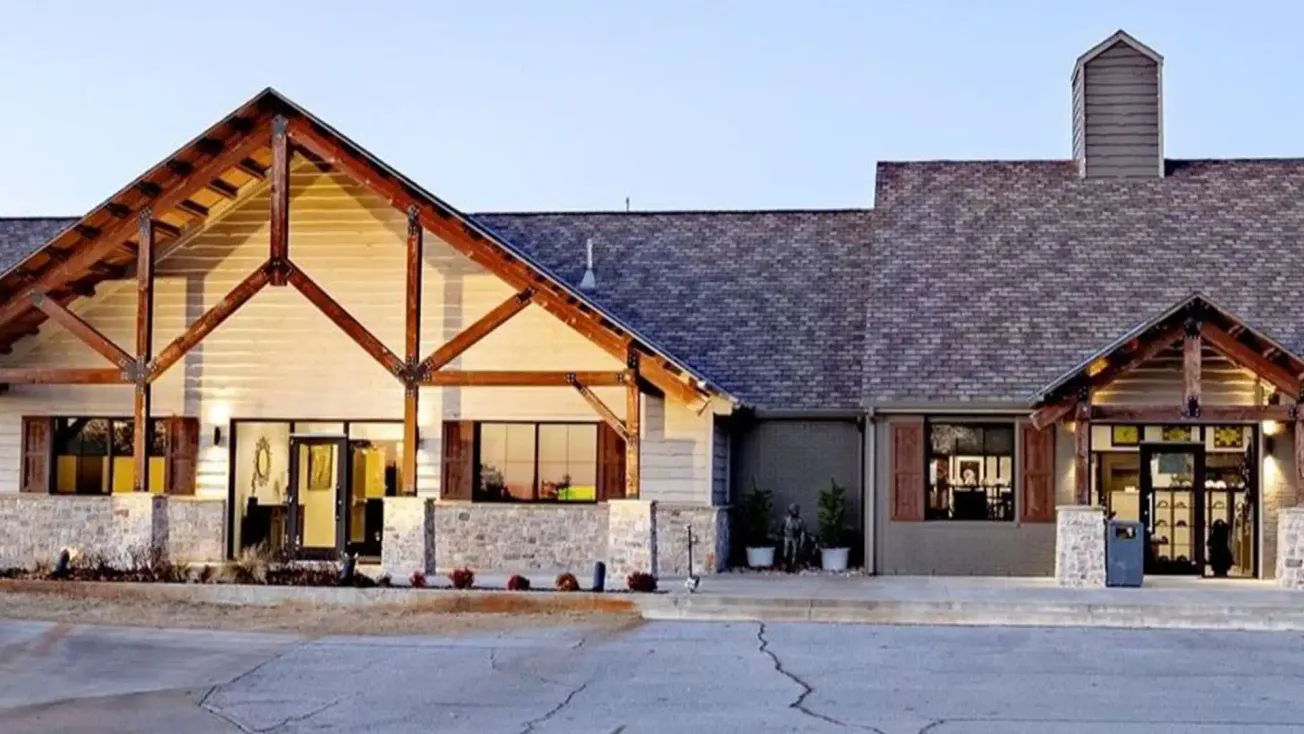
A routine records request at the Tulsa County Courthouse turned into a constitutional standoff when a judge attempted to ban recording in a building he doesn't legally control. The confrontation, captured entirely on video, exposes the gap between judicial authority and constitutional rights in Oklahoma's public buildings.
The Judge Who Overstepped His Authority
The conflict began when a citizen journalist entered the courthouse seeking public records, a routine activity he'd performed countless times before. This time, however, a judge intervened with an unprecedented demand: stop recording or face consequences. The problem? Judges have no authority over county buildings where they operate as tenants, not owners.
The journalist immediately recognized the constitutional violation in progress. Rather than comply with an unlawful order, he chose to document the exact moment when government officials would either respect the First Amendment or violate their oaths on camera.
Deputies Caught in the Constitutional Crossfire
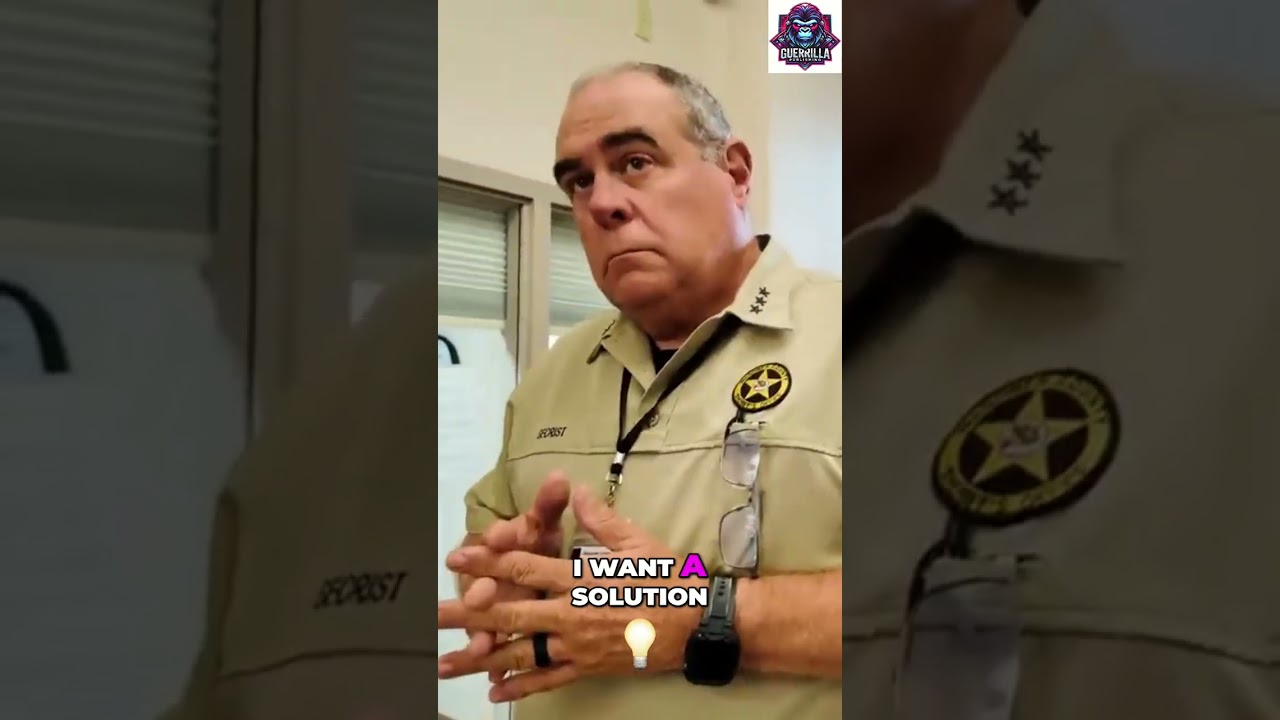
When courthouse security called for backup, responding deputies found themselves in an impossible position. On one side stood a judge demanding enforcement of an order he had no legal right to make. On the other stood a citizen calmly asserting established constitutional rights in a public building.
The lead deputy's response revealed the uncomfortable reality facing law enforcement when judicial authority conflicts with constitutional law. One officer even admitted to following the journalist's accountability work, adding an unexpected layer of recognition to the tense encounter.
The Question That Changes Everything
The journalist posed a direct challenge that cut to the heart of government transparency: "Why do Tulsa County deputies not wear body cams in the courthouse?" This simple question exposed a troubling pattern where the very officials demanding accountability from citizens operate without the same oversight they impose on others.
The absence of body cameras in a building where constitutional rights hang in the balance raises disturbing questions about what else happens in Tulsa County's courthouse without documentation.
A Constitutional Test in Real Time
Faced with an unlawful judicial order, the journalist offered deputies a way out that would preserve everyone's integrity. He proposed leaving voluntarily without acknowledgment of wrongdoing, allowing him to pursue the matter through proper judicial committee channels rather than forcing a constitutional crisis in the courthouse lobby.
This moment of tactical brilliance put the choice squarely on law enforcement: violate constitutional rights under judicial pressure or recognize the limits of their authority in a public building.
The Standoff That Reveals Everything
What happened next exposes the reality of how constitutional rights are actually protected or violated in America's courthouses. The full confrontation, captured from beginning to end, shows exactly how government officials respond when their authority is questioned by informed citizens who know their rights.
Watch the complete footage to see whether Tulsa County chose constitutional compliance or judicial appeasement in this unprecedented courthouse standoff.