Table of Contents
What happens when someone walks into a courthouse and asks a judge to arrest him? The answer, captured on camera, reveals an extraordinary moment where legal strategy meets constitutional rights in real time.
The Unusual Request That Stunned Officials
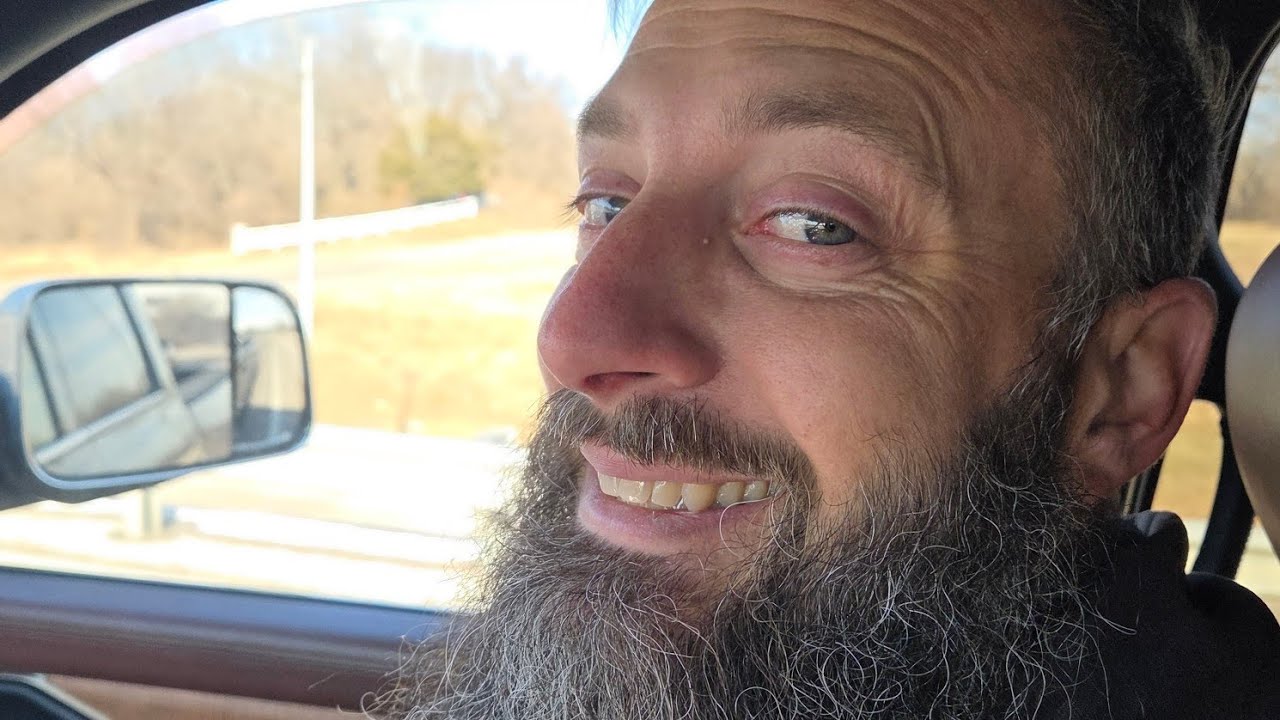
A citizen journalist approached what appears to be a judge with an unconventional proposition. Rather than avoiding law enforcement, he actively sought arrest for filming in the courthouse. His reasoning was methodical and legally calculated.
The man explained his strategy with surgical precision: "In order to have a 1983 action I can proceed on, it can't just be mere threats. It has to be actual action." He was referring to Section 1983 federal civil rights lawsuits, which require defendants to actually violate someone's constitutional rights, not merely threaten to do so.
When Threats Aren't Enough for Court
The exchange reveals a fascinating gap in civil rights law. Verbal threats to remove someone for exercising First Amendment rights don't automatically create grounds for federal litigation. The violation must actually occur.
"I'm going to need somebody to escort me out of that office for recording so I can go file my federal lawsuit," the man stated matter-of-factly. His tone suggested this wasn't his first encounter with constitutional law or courthouse policies.
The official's initial hesitation was palpable. Being asked to participate in what amounts to the creation of a federal case puts any government employee in an uncomfortable position.
The Judge's Surprising Agreement
What happened next defied expectations. Rather than refusing or calling security, the judge agreed to participate in the scenario. "If you want me to walk down there... and then you film... and then me ask you not to film and you say, 'No, I'm going to do it.' And then I say, 'Well, I'm going to have you removed.' That's what you want to do?"
The systematic breakdown of events reads like a legal textbook example. Each step was carefully outlined: the filming, the official objection, the refusal to stop, and finally the removal that would trigger federal civil rights protections.
The judge's willingness to engage suggests either confidence in the courthouse policy or perhaps unfamiliarity with how First Amendment litigation typically unfolds.
The Constitutional Chess Match Begins
"Let's go," the judge finally agreed, setting in motion a sequence that could have significant legal ramifications. The casual tone belied the gravity of what was about to unfold.
This moment represents more than just one person's litigation strategy. It highlights the ongoing tension between courthouse security policies and constitutional rights, particularly the right to film government proceedings and officials.
The footage cuts off just as the two head toward the clerk's office, leaving viewers with a crucial question: what exactly happened when the camera started rolling in that government building?
Watch the full confrontation to see how this constitutional chess match played out and whether the planned federal lawsuit became reality.