Table of Contents
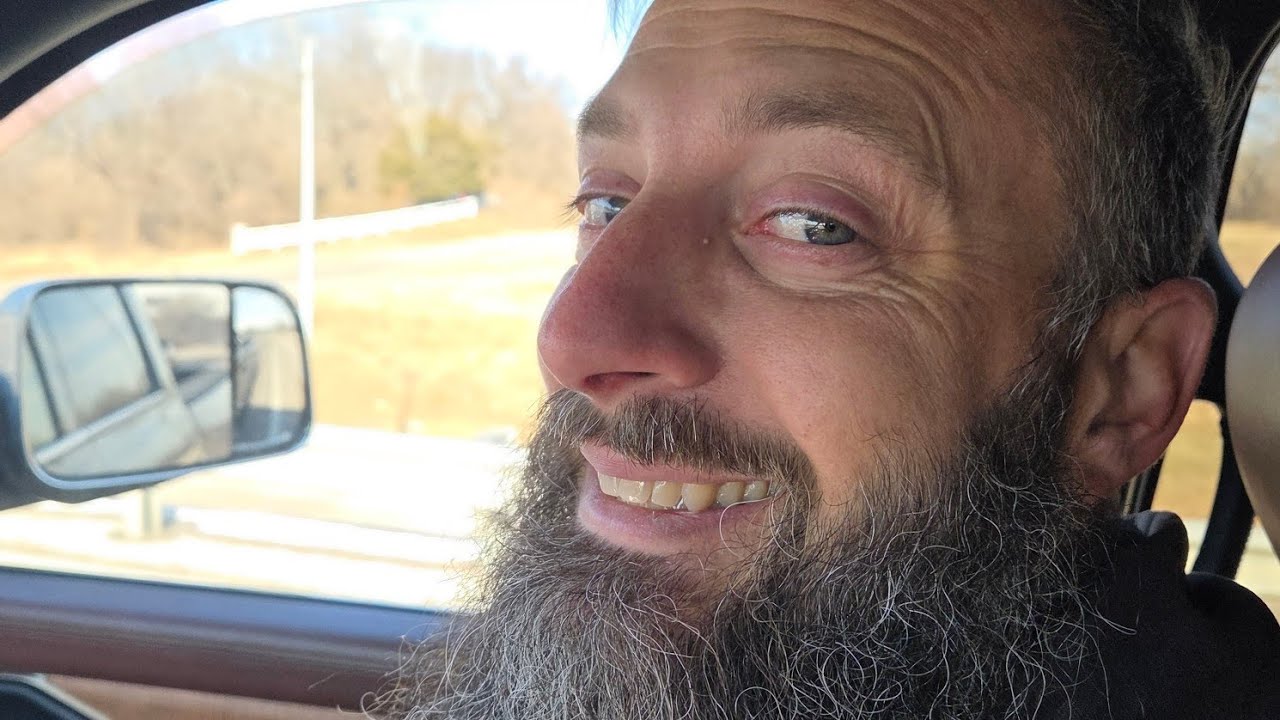
A civil rights researcher's solo journey to Mississippi ended in a hasty retreat and plans to return with reinforcements. The journalist, who studied civil rights history at the University of Southern Mississippi, thought his academic background prepared him for what he'd find in Lexington. He was wrong.
The Historical Shadow Over Holmes County
The reporter's destination carried heavy historical weight. Just an hour from where he stood in Lexington lies Neshoba County, where civil rights workers James Chaney, Andrew Goodman, and Michael Schwerner were murdered and buried under a levee in 1964. This wasn't unfamiliar territory for someone who'd dedicated his undergraduate studies to civil rights history in the region.
Yet academic knowledge couldn't prepare him for what he encountered on the ground. The journalist admits he "underestimated how they would behave" when confronted with accountability reporting in 2024.
When Press Freedom Meets Southern Resistance
What the reporter found in Lexington and Holmes County Mississippi shocked him: "Civil rights are absent in those places." His investigation focused on what he calls "the most fundamental right that we as a public have" - the freedom of press and speech.
The journalist's theory cuts to the heart of democratic accountability. Without the ability to document and report what's happening, he argues, every other civil right becomes meaningless. "If they shut you down from that, then what does it matter? They can take away every one of your rights and you can't tell anybody."
The Mistake That Changed Everything
The reporter's candid admission reveals the gravity of his situation: "I made a mistake going to Mississippi alone." Something happened during his solo investigation that forced him to leave the area, though the specific incident that triggered his departure remains unclear from his reflection.
His academic background studying the region's troubled civil rights history should have been an advantage. Instead, it seems to have given him false confidence about navigating modern-day resistance to accountability journalism.
Return Mission: Safety in Numbers
The journalist's response shows both determination and hard-earned wisdom. He's planning an immediate return to Lexington, but this time he won't be working alone. "When I say we, it won't just be me this time. I won't make that mistake ever..."
His words trail off, but the implication is clear: whatever happened during his solo trip taught him that some investigations require backup.
The full video reveals what exactly happened in Lexington that forced this journalist's retreat - and why he believes civil rights still haven't reached this Mississippi town.