Table of Contents
The Justice Department doesn't launch civil rights investigations lightly. When federal investigators announced they were probing the Lexington Police Department for "continuous and systematic practices" violating citizens' constitutional rights, it marked this small Mississippi Delta town as one of the worst in America for police abuse. What happened next proves exactly why federal intervention was necessary.
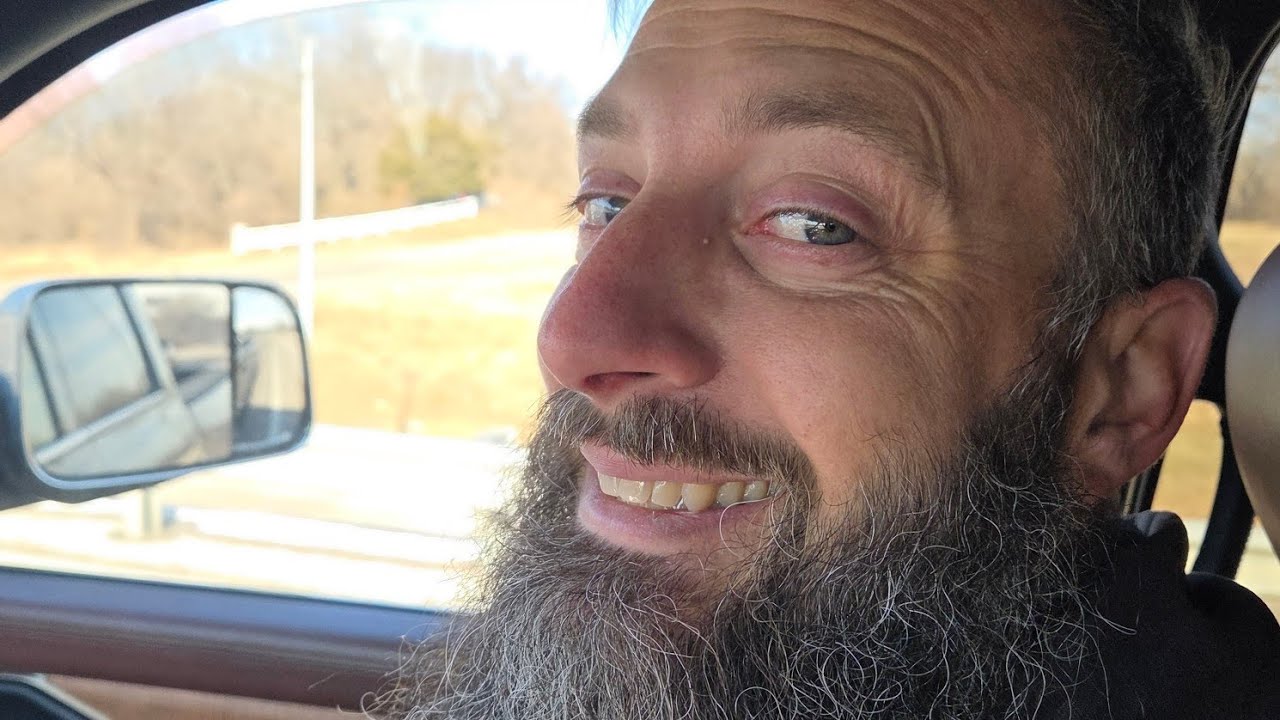
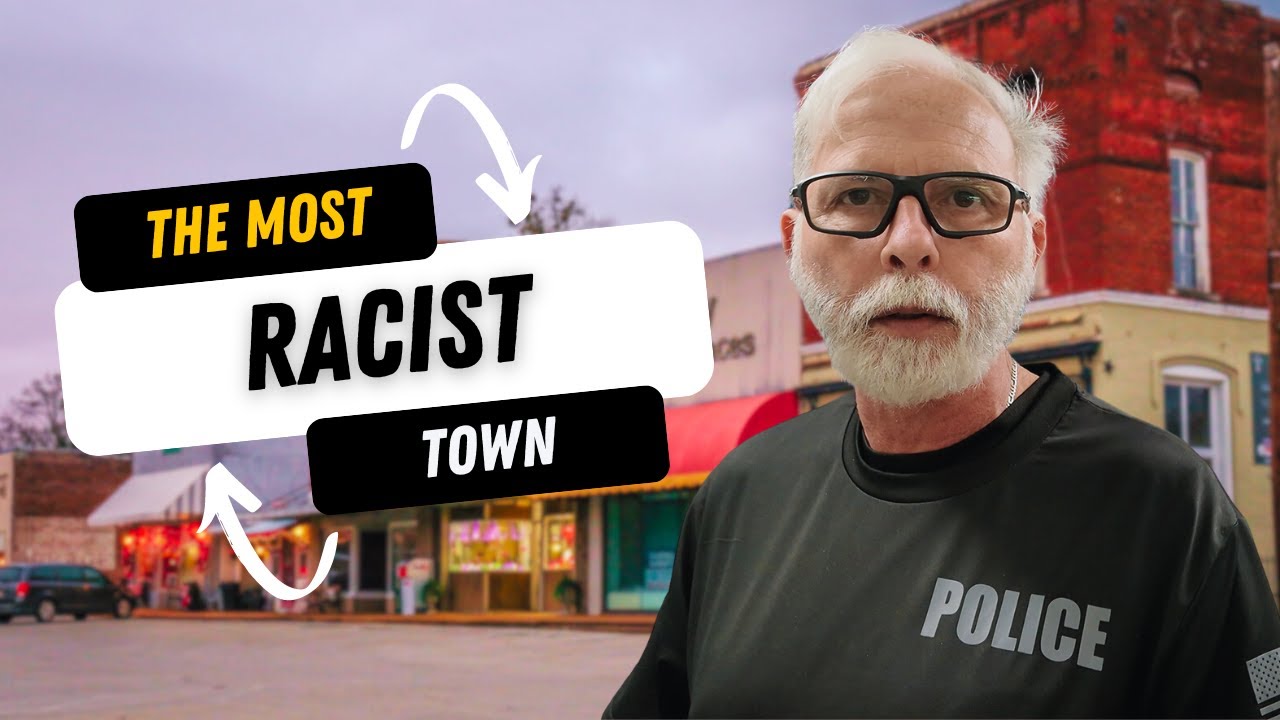
Independent journalist Ron arrived in Lexington to document the very civil rights violations the DOJ was investigating. Within hours, he became their latest victim, facing detention, threats, and arrest for the simple act of requesting public records with a camera rolling.
The Police Department That Hates Cameras
Walking into the Lexington Police Department with a camera immediately triggered hostility from staff who clearly didn't understand that recording police is a constitutionally protected right affirmed by every federal circuit court. The woman at the front desk bristled at the sight of the camera, setting the tone for what would become a masterclass in civil rights violations.
Enter Chief Investigator Scott Walters, a man whose understanding of the First Amendment appears as limited as his ability to control his temper. When asked basic questions about the DOJ investigation, Walters became increasingly agitated, repeatedly telling the journalist to "deescalate" while escalating the situation himself.
The irony was palpable. Here was a police department under federal investigation for civil rights violations, immediately violating the civil rights of someone documenting their behavior.
The Threat That Crossed the Line
What started as hostility quickly became a constitutional crisis. When Walters realized he couldn't intimidate the journalist into stopping his legal recording, he issued an ultimatum that would haunt him in federal court: "If you don't leave, I'm going to arrest you."
That single sentence transformed a legal journalistic inquiry into an unlawful threat against protected First Amendment activity. The journalist left, but Walters had already crossed a line that would have expensive consequences.
Following Walters' directions to city hall led to another building that looked abandoned. The only functioning government office nearby was the Holmes County Justice Court, where the journalist hoped to obtain records about the $1.7 million in outstanding fines the DOJ report had mentioned.
When Civil Rights History Meets Present Reality
The encounter at the courthouse revealed something deeply troubling about how far civil rights have truly come in Mississippi. The court clerk, an African American woman in a region where people died fighting for the right to vote and be treated equally, immediately objected to being recorded in a public building.
Her call to police would summon the same officer who had just threatened arrest, setting up a confrontation that would expose the true nature of policing in Lexington. The journalist stood on a public sidewalk, legally parked, holding a camera and violating no laws whatsoever.
Yet Officer Walters arrived with one word: "detained."
The Detention That Proved Federal Intervention Necessary
Without reasonable suspicion of any crime, Walters immediately detained the journalist, violating the Fourth Amendment before even getting out of his patrol car. A sheriff's deputy on scene seemed to recognize the problem, offering warnings about Walters that would prove prophetic.
When the journalist repeatedly asked if he was free to go, standing twenty feet away in shorts with no pockets, Walters snapped. Despite presenting no threat and possessing no weapons, the journalist found himself ordered to produce identification for the crime of asking questions while Black... wait, that's not right. For the crime of asking questions while holding a camera.
The demand for ID came with Walters' claim that he'd seen the journalist driving earlier, therefore requiring identification. That's not how constitutional law works, but constitutional law seemed to be a foreign concept in Lexington.
The Philosophy That Explains Everything
During the arrest that followed, Walters revealed his personal judicial philosophy in one chilling sentence: "Your constitutional rights don't trump my right to go home at night." This statement, captured on video, encapsulates exactly why the Justice Department felt compelled to investigate this department.
Constitutional rights absolutely do trump officer convenience, officer feelings, and officer preferences. They exist precisely to constrain government power, especially when that power is wielded by individuals who believe their authority supersedes the Bill of Rights.
The arrest that followed was as predictable as it was illegal, with Walters escalating to physical force against a cooperative subject who posed no threat and was committing no crime.
The Phone Calls That Changed Everything
While being processed at the police station, something unexpected happened. The phones started ringing. Viewers who had been watching the live stream began calling to demand answers about why a journalist was being arrested for doing journalism.
The calls clearly rattled the department. Officers asked if the journalist had contacted someone, not understanding how live streaming works or that their behavior was being broadcast in real time to an audience that wouldn't tolerate civil rights violations.
Suddenly, the same officers who had been threatening and arresting were shaking hands and promising the charges would disappear if the journalist just left town quietly.
What the Video Reveals
This footage represents more than just another case of police overreach. It's a real time documentation of exactly the kind of systematic civil rights violations that prompted federal intervention. From the initial hostility toward cameras to the illegal detention, unconstitutional arrest, and attempt to make charges disappear in exchange for silence, every element proves the DOJ's concerns were justified.
But the story doesn't end with a quiet exit from Mississippi. The journalist has promised to return, and next time he won't be alone.
Watch the full arrest footage to see how a simple records request turned into a federal civil rights case that proves why the Justice Department investigation was necessary.