Table of Contents
A routine visit to document public facilities turned into a multi-officer response when Jenks Library staff pressed a panic button after seeing a journalist with a camera. The incident, captured on livestream, reveals the ongoing tension between public photography rights and institutional policies that may violate the First Amendment.
The Panic Button Response
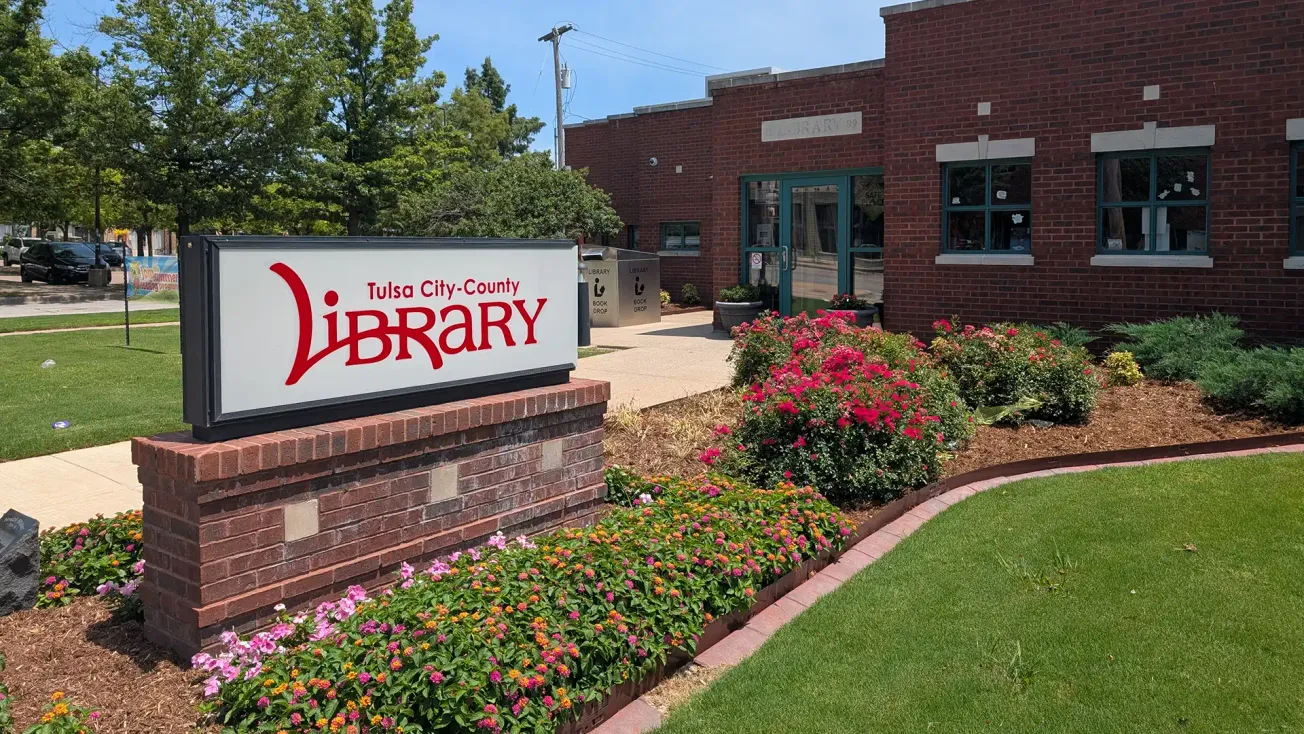
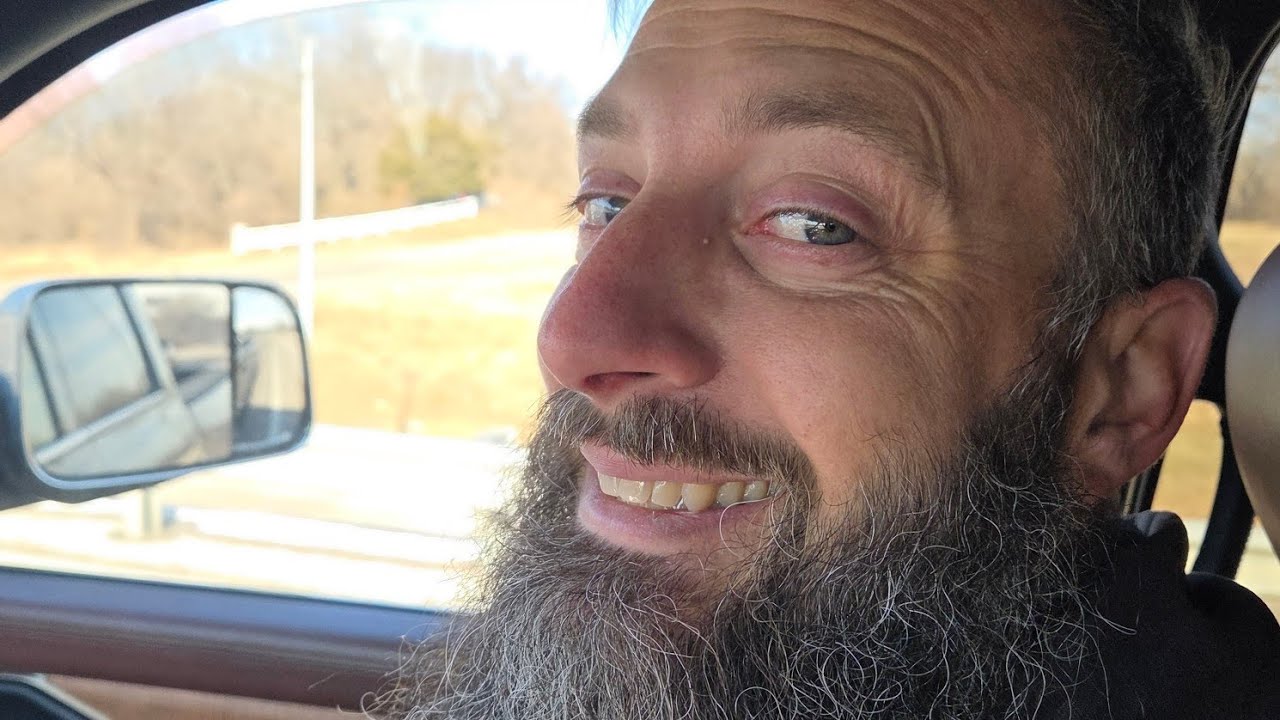
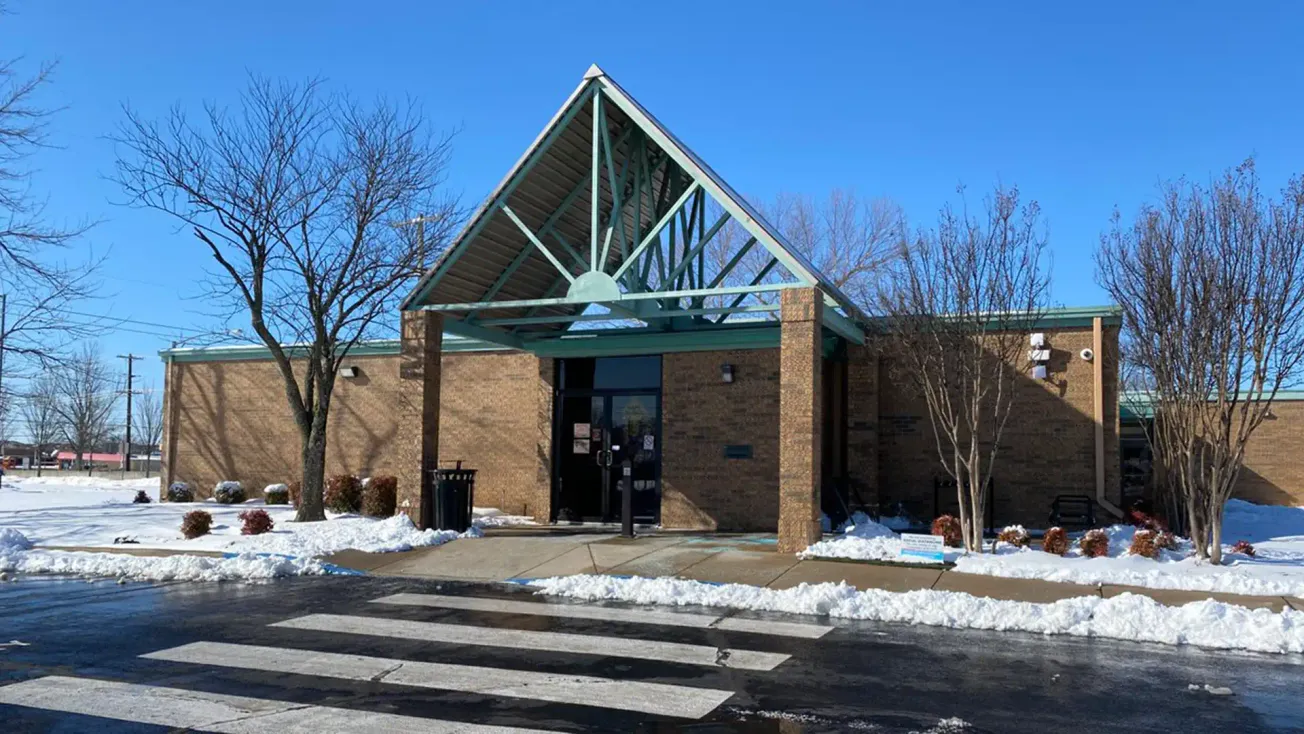
Dan, an independent journalist documenting libraries across Oklahoma, entered the Jenks branch to photograph public spaces and ask about unique lending programs. When he inquired about items the library loans to the public, staff informed him he needed permission to film. Moments later, a panic alarm brought multiple police units to the scene.
The response was immediate and overwhelming. Officers arrived expecting an emergency, only to find a man with a camera who had committed no crime. Sergeant Solomon quickly recognized the situation required de-escalation rather than arrest.
The 25-Foot Teaching Moment
What followed was an unusual civics lesson in the parking lot. The sergeant insisted Dan maintain a 25-foot distance during his investigation, leading to an impromptu measurement session. Dan complied, pacing off the distance while explaining he wasn't trying to interfere.
The interaction grew tense when the sergeant threatened arrest for obstruction simply because Dan asked questions from his designated spot. "I'm about to arrest you for obstruction," the sergeant warned, despite Dan standing silently at the requested distance.
Legal Confusion Over Trespass Rights
The heart of the dispute centered on whether public libraries can ban photography. Dan, who attended law school, engaged the sergeant in a detailed discussion of Oklahoma trespass statutes. The sergeant acknowledged that arrests require an underlying crime, not just the act of filming.
"You can't trespass somebody from a public building for engaging in constitutional activity," Dan explained. The sergeant seemed to grasp this principle, admitting he would only arrest if he was "100% right" about the law.
The Policy That Allows What It Restricts
The most revealing moment came when library security produced their actual photography policy. The document explicitly welcomes customers to "film and take photos" for "personal use," directly contradicting the staff's no-filming stance.
Even after seeing their own policy, confusion persisted about what constitutes personal versus commercial use. The sergeant studied the language carefully, recognizing the constitutional problems with content-based restrictions on photography.
Doors Locked Against the Public
As the discussion continued, something extraordinary happened. Library staff locked the building's doors, preventing public access during operating hours. Dan immediately recognized the legal implications, noting this could violate Oklahoma's Open Records Act by preventing citizens from making information requests.
The sergeant found himself in an impossible position, trying to enforce a trespass that even he acknowledged might be legally invalid while witnessing potential violations of open government laws.
The Trespass That Means Nothing
The encounter ended with library staff issuing a verbal trespass warning. However, the sergeant's own explanation revealed why such warnings carry little weight. Without an underlying crime, Dan could theoretically return and film again without facing arrest.
This left everyone confused about what had actually been accomplished. The library exercised authority it may not legally possess, while officers enforced restrictions they couldn't fully justify.
Watch the full confrontation unfold as confusion over basic constitutional rights leads to an extraordinary public education session between a journalist and police sergeant.