Table of Contents
When citizens packed a Gore city council meeting to defend their First Amendment rights, they walked into what one speaker called a predetermined outcome. The council had already made up their minds to ban recording in public buildings, despite passionate testimony about constitutional protections.
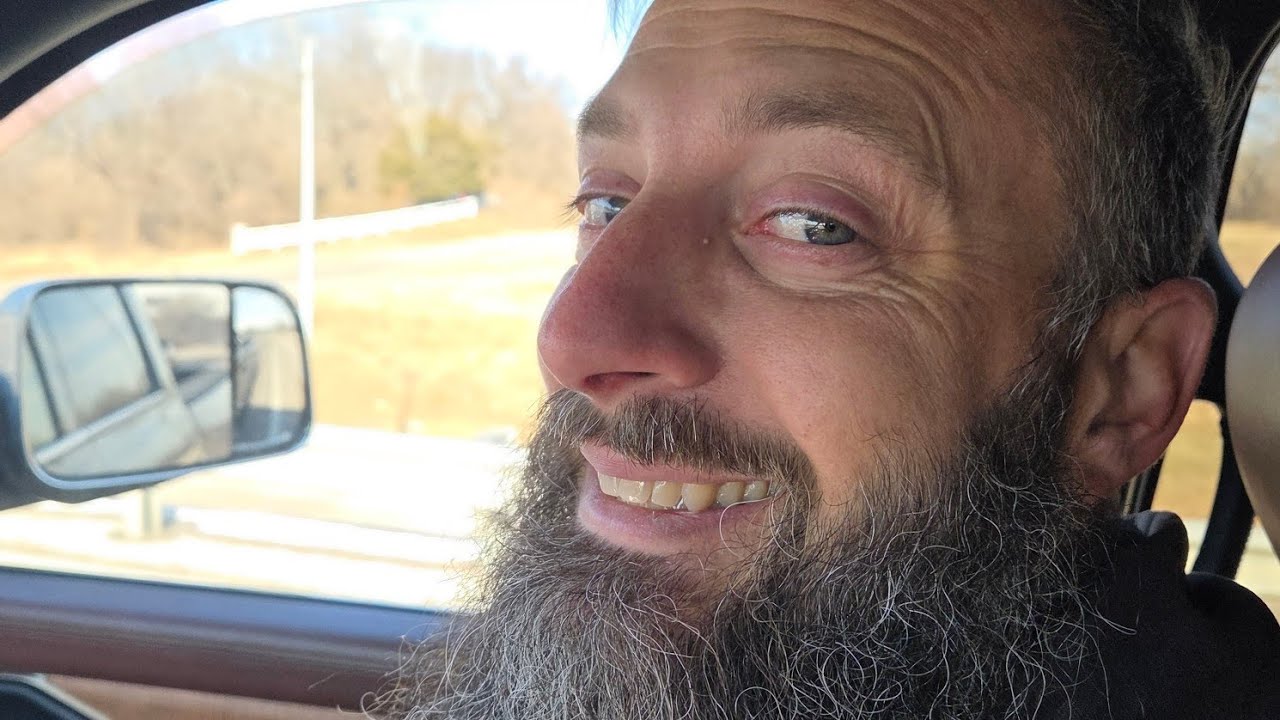
Ron DeFrain from Guerrilla Publishing delivered a blistering three-minute speech that cut straight to the heart of the issue. The council was preparing to restrict citizens' rights to document their interactions with government while exempting law enforcement from the same rules.
The Constitutional Battle Unfolds
City attorney Matthew Price attempted to justify the recording ban by citing legal precedents, but his arguments fell flat under scrutiny. Price referenced a 1983 case about public forums, comparing government buildings to military installations where access is restricted.
DeFrain fired back immediately, pointing out that Price could only cite district court cases rather than binding circuit court precedent. "He's not even quoting circuit opinions," DeFrain told the council. "He's quoting one district court judge that might have been appointed by Obama for God's sake."
The constitutional argument became even more pointed when DeFrain reminded the council that the 10th Circuit, which governs Oklahoma, has issued strongly pro-First Amendment rulings. Price's legal foundation appeared shaky at best.
The Vote That Shocked No One
Despite the passionate opposition, the council voted unanimously to approve Ordinance 097, effectively banning recording in public areas of city buildings. Council members Matt, Robin, Larry, and Randy each voted yes without discussion or debate.
The vote prompted immediate outcry from the audience. "They just killed the First Amendment," someone called out as the votes were tallied. The council then immediately moved to approve $6,000 in security upgrades, including a pay window and controlled access doors.
One council member justified the restrictions by claiming they needed to protect employees, mentioning that one worker had obtained a protective order against someone. However, no evidence was presented linking recording activities to any safety incidents.
Behind Closed Doors Controversy
The meeting took an unexpected turn when officials retreated to executive session, but eagle-eyed observers noticed something suspicious. Police Chief was spotted in the closed-door meeting despite not being listed on the official agenda for the executive session.
Under Oklahoma's Open Meetings Act, only specifically listed personnel can participate in executive sessions. DeFrain immediately called out the violation, demanding to file a police report against the very chief who had improperly attended the meeting.
The irony wasn't lost on anyone present. The same officials restricting citizens' right to record were potentially violating open government laws themselves behind closed doors.
The Heated Aftermath
As officials filed out of the meeting, tensions remained high. DeFrain announced his intention to return Monday to intentionally record in the building, essentially daring officials to arrest him for exercising what he considers a constitutional right.
The confrontation revealed deep divisions about government transparency and accountability. Citizens argued they needed recording rights to document potential misconduct, while officials claimed safety concerns justified the restrictions.
But the most revealing moment came when DeFrain pressed council members to explain exactly what safety threat cameras posed. The responses were telling in their absence, officials choosing silence over justification.
Watch the full meeting to see how this constitutional standoff plays out and whether officials can defend their decision when challenged directly.