Table of Contents
A routine visit to document a historic Route 66 journey turned into a constitutional confrontation when Commerce, Oklahoma officials claimed only city residents have the right to enter their courthouse. What followed was a tense standoff between law enforcement and a suspended attorney who knows federal civil rights law better than the deputies trying to enforce non-existent restrictions.
The Residency Requirement That Doesn't Exist
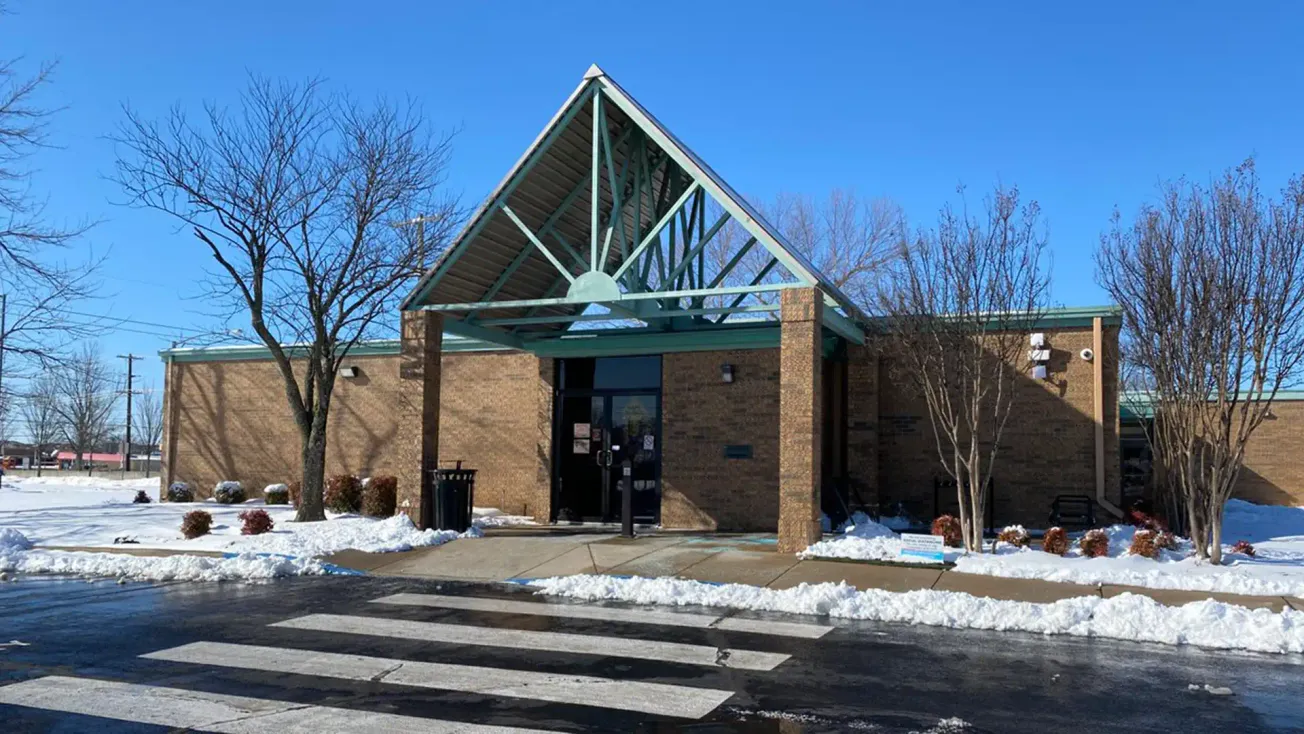
The trouble began when courthouse staff questioned whether the visiting journalist was "a citizen of Commerce." After learning he was from elsewhere in Oklahoma, staff insisted he had no right to be in the building. This bizarre interpretation of public access rights prompted a call to the U.S. Marshal Service, setting up a clash between local misunderstanding and federal constitutional law.
The deputy marshals, cross-deputized to cover the small town, arrived to sort out what they initially treated as a simple trespassing issue. What they encountered instead was an attorney who had been documenting similar government overreach across multiple states, armed with recent 10th Circuit precedent and a working knowledge of Section 1983 civil rights lawsuits.
Threats Without Authority
Deputy Marshal Dodie made a critical error when pressed about which areas were truly restricted. "Now that you've been warned if you did it again. Yes," he said when asked if accessing certain areas would be illegal. The problem: no signs marked these areas as restricted, and the marshals lacked authority to create policy for the city.
The attorney immediately recognized the legal implications. Under federal law, the mere threat of arrest can be enough to establish standing for a civil rights lawsuit, even without an actual arrest occurring. The deputy had just created potential liability with a few careless words.
The Education Attempt Goes Wrong
What started as a teaching moment quickly deteriorated. The suspended attorney, who revealed he had five active Section 1983 cases pending this year alone, began explaining the concept of "limited public forums" and the government's obligation to clearly mark restricted areas. The deputies found themselves outmatched on legal grounds they thought they understood.
The tension peaked when the attorney directly challenged the threats: "Pick your words very carefully cuz that's a federal lawsuit. Your threat of arrest will be enough for a 1983 action." The casual confidence suggested this wasn't his first rodeo with government officials who overstepped their authority.
When Small Town Authority Meets Federal Law
The confrontation highlighted a common problem in small municipalities: officials making up rules that don't exist while lacking proper signage to mark areas that might legitimately be restricted. Commerce's failure to post "authorized personnel only" signs left their staff unable to legally restrict access to areas they considered private.
The irony wasn't lost on anyone present. The attorney noted that without proper demarcation of restricted areas, the city potentially violated the Americans with Disabilities Act by making restrooms inaccessible to the public. Their attempt to restrict access had created bigger legal problems than allowing the filming.
The Video Evidence Speaks
By the encounter's end, multiple body cameras and the journalist's equipment had captured every exchange. The attorney made clear he typically only pursues legal action when officers make physical contact, but the threat-laden conversation had established enough for a potential case. Whether he would follow through remained an open question that only the full footage would answer.
Watch the complete confrontation to see how this constitutional standoff ultimately resolved and whether Commerce officials learned anything about the limits of their authority.