Table of Contents
A man's arrest for filming inside the Cherokee County Courthouse prompted an investigation that quickly escalated into a constitutional showdown. When journalists arrived to gather public comments about the incident, they discovered officials making threats that legal experts say violate well-established First Amendment protections. The confrontation that followed reveals a troubling pattern of constitutional violations in Oklahoma courthouses.
The Arrest That Started Everything
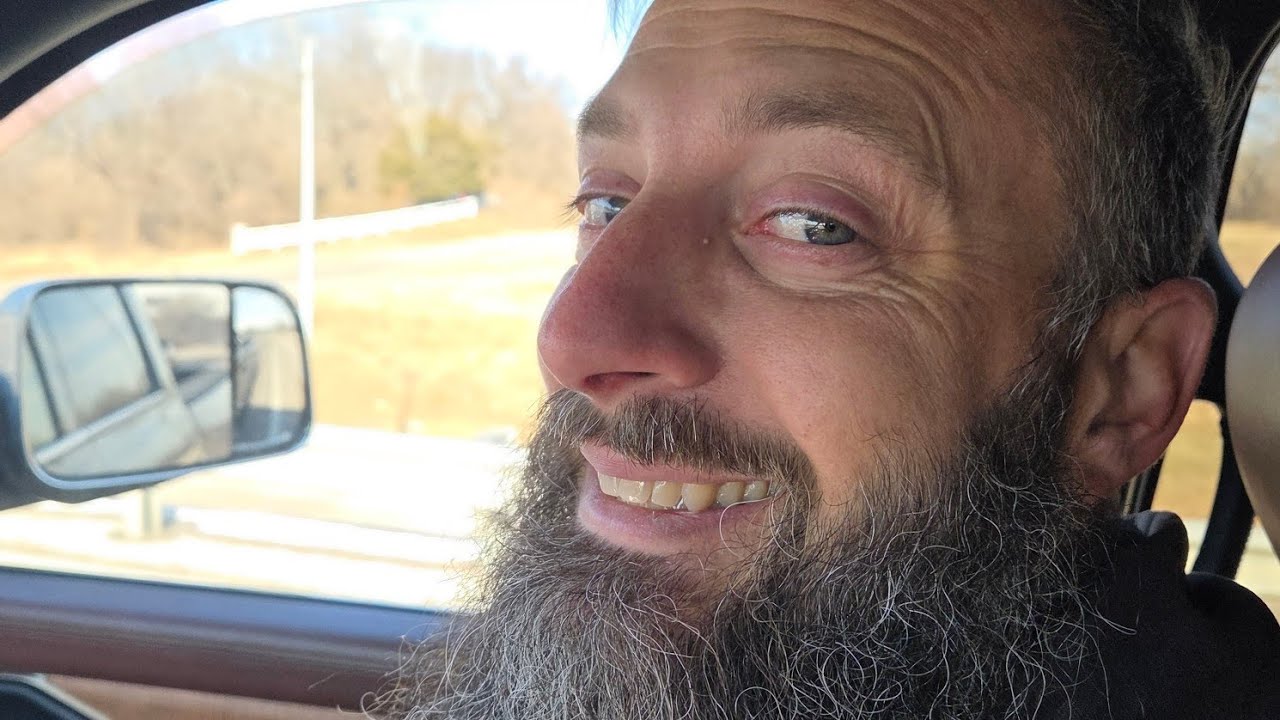
The initial incident involved a citizen journalist who was arrested simply for filming in the Cherokee County Courthouse. According to investigators, the man was documenting activities in the court clerk's office when law enforcement intervened. This arrest prompted questions about what really happened and whether proper procedures were followed.
Legal analyst Ron explains the fundamental problem with such arrests. County courthouses are owned by the county and controlled by county commissioners, not judges. While judges can restrict recording inside their specific courtrooms, they cannot ban filming in public areas of the courthouse building.
Constitutional Crisis in the Courthouse Lobby
When journalists arrived to investigate the arrest, they encountered immediate resistance from courthouse security. An unidentified officer refused to provide his name or badge number while making sweeping claims about recording restrictions. The officer stated there was "no comment" about the arrest and directed reporters to the sheriff's department.
The situation escalated when journalists attempted to film in what they identified as the public courthouse lobby. Multiple officers converged, claiming the entire courthouse was off-limits to recording devices.
Threats Under Color of Authority
Undersheriff James Brown eventually arrived to handle the situation, but his explanation only deepened the constitutional concerns. When pressed about the legal basis for the recording ban, Brown referenced a county commissioners' order that allegedly prohibited all recording on county property.
The confrontation reached its peak when Brown was asked directly whether journalists would be arrested for filming. His response created a confusing escalation matrix: first a request to stop recording, then a request to leave, followed by escort, and finally arrest for resisting.
The Rule That Cannot Be Found
Perhaps the most telling moment came when officers were asked to produce the actual order banning recording. Despite multiple requests, no officer could provide a copy of the supposed rule. One officer claimed it was "posted on the front door," while others admitted they didn't have copies available.
This inability to produce the governing document raises serious questions about whether such an order exists in any legally enforceable form. As the investigating journalist noted, even if such a rule exists, it would be unconstitutional if it restricts First Amendment activities in public areas.
What the Camera Captured Next
The footage reveals a pattern of behavior that legal experts say strips officials of their qualified immunity protections. The final moments of the encounter show escalating tension as journalists press for accountability while officials grow increasingly defensive about their authority.
Watch the complete confrontation to see how this constitutional crisis unfolds and whether Cherokee County officials can justify their actions under oath.