Table of Contents
An attorney and independent journalist found themselves at the center of a First Amendment confrontation with Boston Police after an officer was shot but managed to drive himself to the hospital. What started as a routine drive through the city quickly escalated into multiple agencies restricting media access far beyond any reasonable crime scene perimeter.
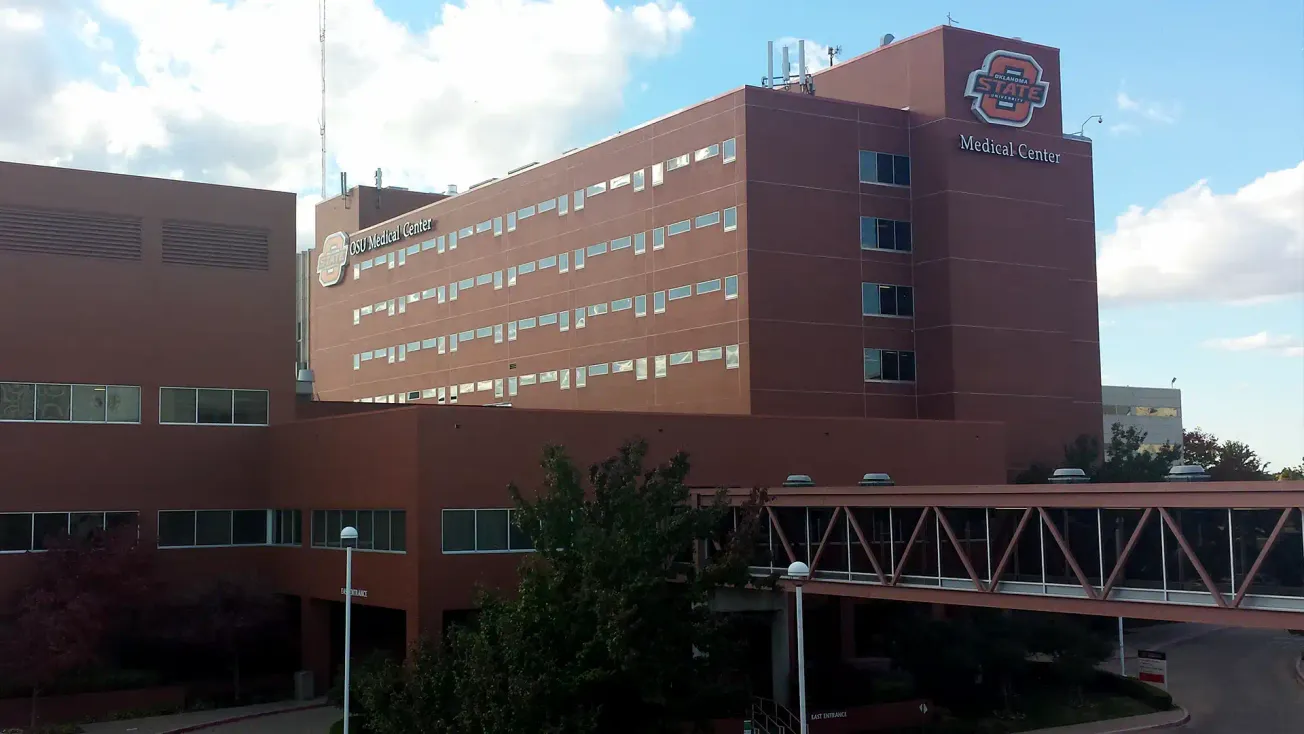
The incident began when the duo spotted flashing lights near a Boston hospital and decided to investigate. They discovered mainstream media had been corralled into a designated staging area, while the actual scene appeared to be nothing more than the officer's patrol car cordoned off with tape.
The 80-Foot Pushback
Rather than join the compliant media cluster, the team positioned themselves across the street to test the boundaries of the restricted area. They managed to get within 80 feet of the taped-off vehicle before officers intervened with physical force.
"How that could be a crime scene other than the car that was taped off, there's nothing else outside of that that could have been part of the crime scene," one of the journalists explained during a livestream immediately following the encounter. The restriction seemed excessive given that the injured officer had driven himself to the hospital and was reportedly fine.
When Agencies Collide
The situation grew more complex as both State Police and Boston PD responded to the scene. While State Troopers largely observed from a distance, Boston Police took a more hands-on approach with the independent media.
One officer repeatedly placed his hands on the attorney's chest, pushing him back across the parking lot. The journalist described the officer as "the highest ranking guy on the scene" with "four stars" who became increasingly agitated when questioned about the constitutional boundaries of his authority.
Mainstream Media Gets Caught in Crossfire
In an unexpected twist, police retaliated against the mainstream media for the independent journalists' presence. Officers pushed back all media even further from the scene, punishing the compliant reporters for the actions of those who had challenged the restrictions.
This led to a heated exchange with a veteran local journalist who had been covering Boston crime scenes for decades. The confrontation revealed deep frustrations about how media coverage has changed over the years and the role independent journalists now play in pushing back against government overreach.
The Real Story Behind the Response
Multiple sources at the scene confirmed that the "crime scene" was simply the officer's patrol car. The officer had been shot in his vest, suffered minor injuries, and drove himself to the hospital where he was treated and released.
Yet the police response suggested something far more serious had occurred. Officers from multiple agencies were visibly agitated, and their restrictions went well beyond standard crime scene protocols for a situation where no ongoing investigation was taking place at the location.
Questions That Remain Unanswered
The footage raises serious questions about when police can physically remove journalists from public property and how far crime scene restrictions can extend beyond actual evidence. The officers refused to provide their names or badge numbers despite multiple requests, and the exact legal justification for the 80-foot perimeter remains unclear.
Watch the full confrontation unfold in the complete video to see how this First Amendment test played out and what happened when multiple agencies tried to silence independent reporting.