Table of Contents
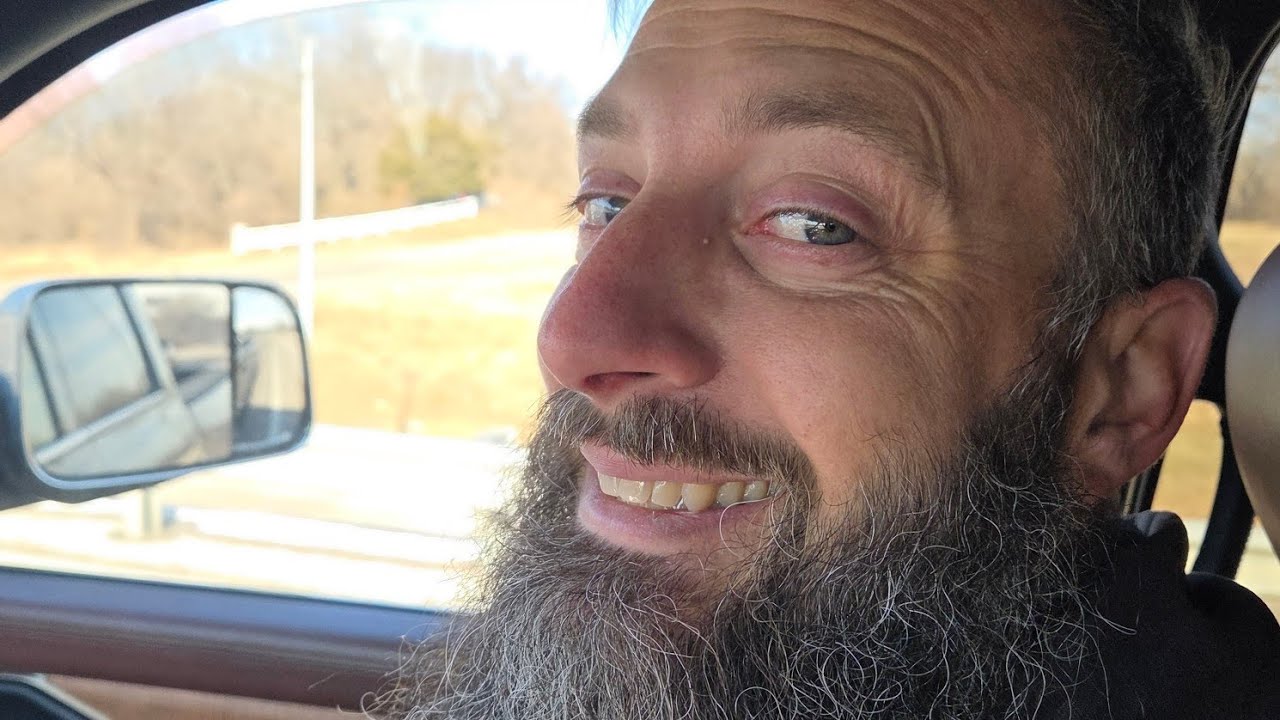
An attorney walked into an Oklahoma courthouse with a camera and a plan: get arrested for filming in order to file a federal lawsuit against the court system. What happened next reveals how some officials willingly participate in constitutional violations, even when they know exactly what's coming.
The Setup: When Lawyers Ask to Be Arrested
The conversation starts with the attorney being remarkably direct about his intentions. He asks court officials if they plan to arrest him for filming, explaining that he needs more than threats to pursue a federal civil rights case under Section 1983. "Unfortunately, as you know, in order to have a 1983 action I can proceed on, it can't just be mere threats. It has to be actual action," he tells them.
The response from court personnel is equally surprising. Rather than reconsidering their position or consulting legal counsel, they agree to participate in what the attorney clearly frames as grounds for a federal lawsuit.
The Judge's Willing Participation
What makes this case unusual is the cooperative nature of the encounter. The judge walks through the entire scenario step by step: "If you want me to walk down there and then you film and then me ask you not to film and you say, 'No, I'm going to do it.' And then I say, 'Well, I'm going to have you removed,' that's what you want to do?"
When the attorney confirms this is exactly what he wants, the judge simply responds "Okay" and agrees to proceed. It's rare to see court officials so willingly participate in what they've been told will become federal litigation against them.
The Suspicious Timing of Official Documents
The most damaging evidence may be in the paperwork itself. The attorney points out that a key document was stamped "July 22nd, 9:51 a.m." only after he arrived at the courthouse. This suggests officials created or activated restrictions on recording in real time, potentially in response to his presence with a camera.
A Constitutional Challenge Years in the Making
The attorney reveals this isn't his first attempt at this type of constitutional challenge. "I've been looking for a court that wanted to play this game with me," he explains. "So, now that y'all want to do it, I'm really appreciative of that." His statement suggests a pattern of courts backing down when confronted about recording policies, making this cooperative court an anomaly.
The Unresolved Question of Public Access
The footage cuts off just as the constitutional confrontation reaches its peak, leaving viewers with a crucial question: did the court follow through with the arrest, and what does this mean for First Amendment rights in Oklahoma courthouses? The attorney's argument that publicly accessible areas of public buildings cannot restrict recording, especially for elected positions, remains to be tested.
Watch the full confrontation to see how this deliberate constitutional challenge unfolds and whether the court system follows through on its promise to arrest a lawyer for exercising his First Amendment rights.