Table of Contents
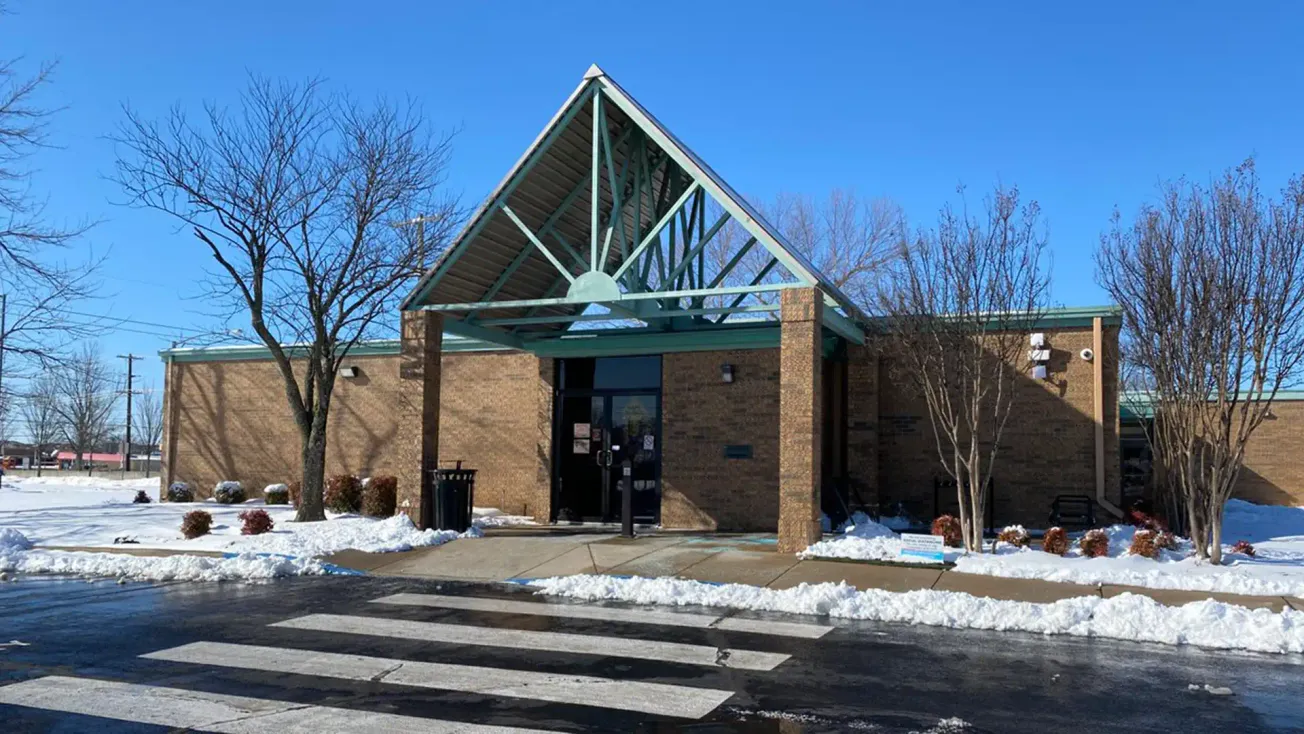
When an attorney walked into Lawton City Hall to request public records about a detention officer accused of sexual misconduct, he expected paperwork, not handcuffs. Instead, he found himself arrested twice in a single day for the crime of asking questions in a public building.
The case that brought the attorney to Comanche County involved serious allegations: a detention center officer charged with second-degree rape for allegedly receiving sexual favors from an inmate, and a county commissioner facing embezzlement charges for diverting funds for personal use. What started as routine record requests quickly spiraled into constitutional violations caught entirely on camera.
The First Confrontation Turns Hostile
The trouble began when courthouse security officer Hector Vayon approached the attorney while he reviewed documents in the public lobby. After the attorney began filming and requesting records, staff called police to intervene. When the attorney asked Vayon about placing a clerk under citizen's arrest for allegedly violating the Oklahoma Open Records Act, the situation grew tense.
Lieutenant Gonzalez soon arrived and ordered his officers to follow the attorney throughout the building. When confronted about this surveillance, Gonzalez refused to discuss the matter publicly, demanding the attorney step away from the work area. The attorney's response was direct: "If you want to walk off and look like an idiot, you can walk off and look like an idiot."
That's when Gonzalez issued his ultimatum: leave the building or face arrest.
Words Become Weapons
The attorney agreed to leave under threat of arrest, but the officers' legal justification crumbled at the exit. When pressed to clarify whether he was actually under arrest, Gonzalez backtracked, claiming the removal was only for "creating a disturbance." The attorney refused to leave without a clear arrest threat, forcing the officers into an impossible position.
After extended negotiations at the courthouse doors, the attorney finally agreed to leave with a promise: "Tomorrow, I'll take the arrest. I'll be a little better prepared."
Round Two: The Doors Lock
Hours later, the attorney returned with colleagues, only to find the city clerk's office mysteriously closed during regular business hours. Despite a posted schedule showing the office should be open, every door was locked. When Deputy City Manager Jerry emerged to help, he brought along an armed security guard who immediately began following the group.
The attorney's reaction was immediate and pointed: "I don't want guys with guns following me around. I have an aversion to people with guns." But Jerry insisted the armed guard was necessary for "employee safety and citizen safety," despite no apparent threat.
The Confrontation That Broke the System
When Jerry stepped aggressively toward the attorney during their discussion, the verbal sparks flew. The attorney used colorful language to tell Jerry to back away, invoking his right to defend himself. City officials immediately seized on the profanity as grounds for removal, claiming the words constituted "obscene" behavior and a "disturbance."
Officer Martinez initially tried to de-escalate, asking the attorney to leave voluntarily. But when the attorney demanded clarity on whether he was under arrest, other officers intervened. The situation exploded when someone shouted "Ron, arrest him!" and hands were placed on the attorney.
The Legal Reckoning
What the footage reveals raises serious constitutional questions. Courts have repeatedly held that profanity alone cannot justify removing someone from a public building, and that law enforcement surveillance can "chill" the exercise of First Amendment rights. The attorney's requests for records were legitimate, his presence in public areas was lawful, and his filming was constitutionally protected.
Yet Lawton officials responded with escalating force, surveillance, and ultimately arrest. The armed security guard, the locked offices during business hours, and the officers' inability to articulate legal justification for their actions all suggest a systematic effort to avoid transparency.
The Questions That Remain
The most explosive moments of both confrontations were captured on multiple cameras, but key questions remain unanswered. Did the attorney ultimately get his records about the detention officer? What consequences, if any, did the officials face for the constitutional violations? And what other records might be hidden behind Lawton's locked doors?
Watch the full confrontations unfold and see how this constitutional crisis ends in the complete video.